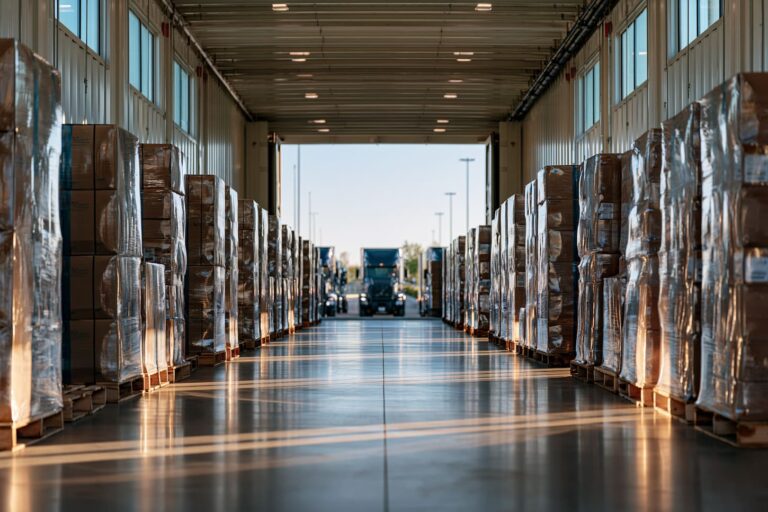

The most expensive square footage in your warehouse isn’t the loading dock or the high-velocity pick face. It is that dark corner in the back where returned orders go to die.
You know the one.
It started as a few boxes, then it became a pallet, and now it is a looming tower of shrink-wrapped mystery that no one has the time to touch.
Every day that inventory sits there is a day you are losing money.
For high-growth brands, returns are often the first process to break. You are focused on getting orders out the door to keep revenue flowing. Inbound returns get pushed to the bottom of the priority list because outbound shipping feels more urgent.
That mindset works for a while, but eventually, the backlog becomes a cash flow anchor. You end up writing off sellable inventory simply because you couldn’t process it fast enough.
This is where dedicated returns management services shift from a luxury to a necessity. You need a process that stops the bleeding and turns that pile of mystery boxes back into active inventory.
Inefficient Returns Processes Drain Operational Cash Flow
Most growing brands treat reverse logistics as standard inbound shipping in reverse. That is a dangerous oversimplification.
When a container arrives from a supplier, every unit is uniform, clean, and ready for the shelf. When a customer sends a package back, it is chaos. The box might be damaged. The item might be worn. It might not even be the item you sold them.
If your internal team is trying to handle this between outbound waves, they will cut corners. They might throw everything into a “damage” bin to avoid the hassle of inspection. They might put a used item back on the shelf as new. Both scenarios hurt your bottom line.
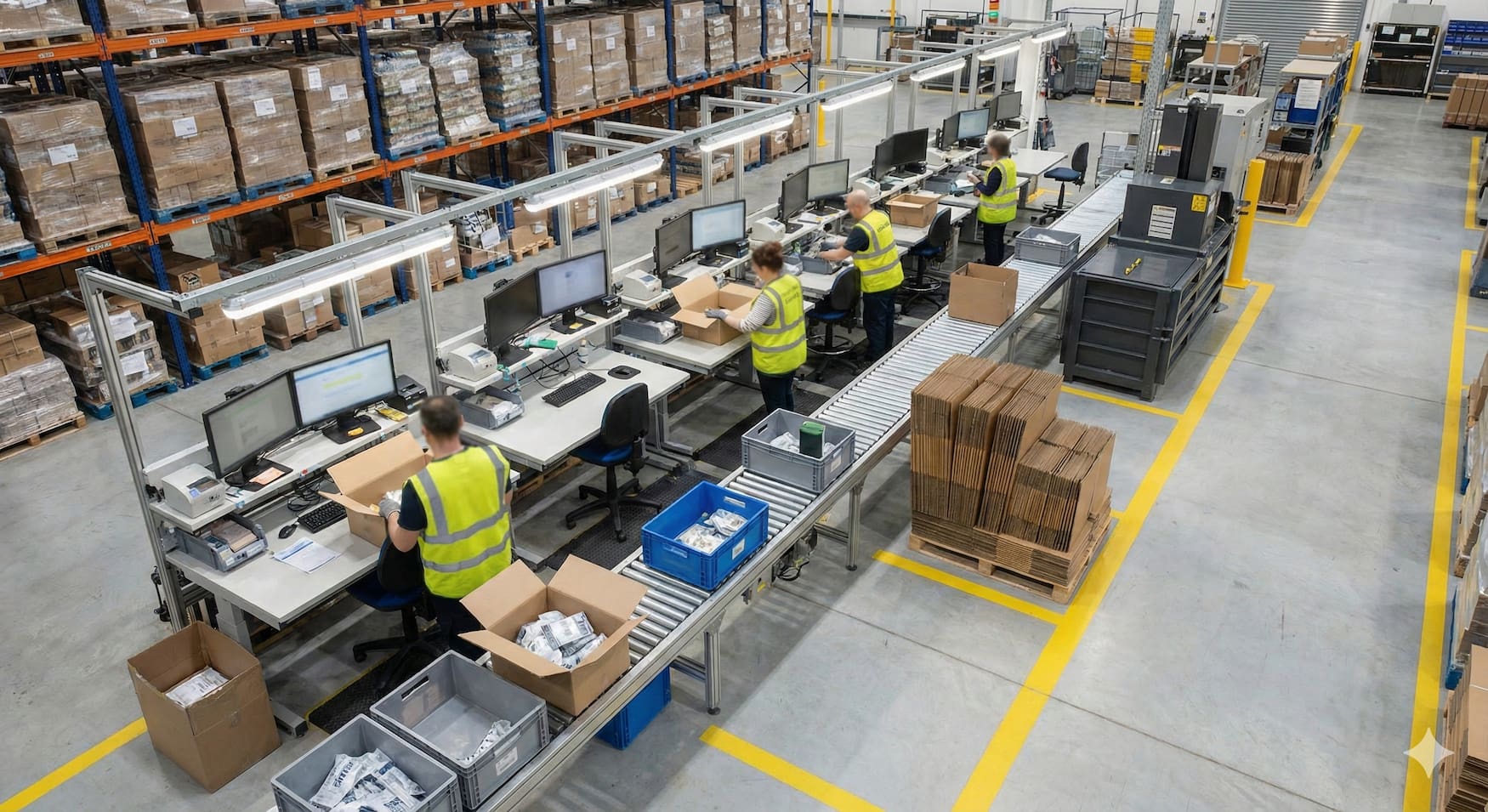
A dedicated partner treats returns as a manufacturing process. They receive, inspect, and grade inventory immediately. This prevents the backlog from forming in the first place. It ensures that cash tied up in returned stock becomes liquid again.
Dedicated Returns Management Services Restore Inventory Velocity
Time is the enemy of returned inventory. This is especially true for fashion, consumer electronics, or seasonal goods. A winter coat returned in January still has value if it gets back on the site in three days. If it sits in your warehouse until March because your team is too busy to inspect it, that asset is effectively worthless.
We see this constantly with growing brands. The focus is always on the next sale. Meanwhile, perfectly good inventory depreciates in the corner.
Effective returns management services prioritize velocity. The goal is to shorten the window between the carrier drop-off and the restock event. By using a specialized team that is not distracted by outbound fulfillment pressures, they can ensure that returns are processed within 24 to 48 hours. This speed allows you to resell the item at full price rather than liquidating it for pennies on the dollar later.
Standardized Inspection Protocols Protect Brand Integrity
There is nothing worse for a customer than buying a “new” product and receiving something with a fingerprint, a missing tag, or a broken seal. It destroys trust instantly.
When your warehouse team is rushed, their judgment on what constitutes “A-Stock” versus “B-Stock” slips. They are incentivized to clear the table, not to protect the brand equity.
Implement rigorous standard operating procedures for grading every unit that enters the dock.
- Grade A items are pristine and go immediately back to pickable inventory.
- Grade B items might have damaged packaging but the product is fine. These can be kitted into “open box” specials or discounted bundles.
- Grade C items are damaged or unsellable. Move them immediately to recycling, donation, or disposal channels to clear space.
This segregation protects your customers. It ensures that your premium channels remain premium while allowing you to recover revenue from less-than-perfect inventory through secondary markets.
Strategic Midwest Location Shortens the Refund Cycle
For a national brand, the physical location of your returns center impacts your refund cycle. If your returns facility is on the West Coast, a customer in New York might wait a week for the package to arrive before the refund process even begins. That delay causes customer anxiety and increases “where is my refund” support tickets.
Centralizing returns in Indiana or the Midwest acts as a geometric compromise. It reduces the average zone to the return center for the entire country. Shorter transit times mean faster refunds for your customers and faster restocking for your inventory.
Outsourcing Shifts Returns from Fixed Overhead to Variable Cost
Building an internal returns department is expensive. You need dedicated space, equipment, and labor hours that could be used for revenue-generating activities. When order volume dips, you are still paying for that infrastructure. When volume spikes in January, you are overwhelmed.
Using a third-party partner for returns management services makes this cost variable. You pay for the work performed. You do not worry about staffing up for “National Returns Week” in January or figuring out what to do with the staff in June. They handle the labor scaling. You just watch the sellable inventory reappear in your system.
Eliminate the Hidden Cost of Dead Inventory
You cannot afford to let returns accumulate in the dark corners of your warehouse. It ties up capital, consumes valuable space, and hides operational inefficiencies.
Recovering revenue from returned inventory requires focus and infrastructure that most brands simply do not have in-house. It is a distinct operation from outbound fulfillment.
When you align with a partner who specializes in this messy work, you stop treating returns as a distraction. You start treating them as a recoverable asset.
That shift in strategy is what protects your margins as you scale.