

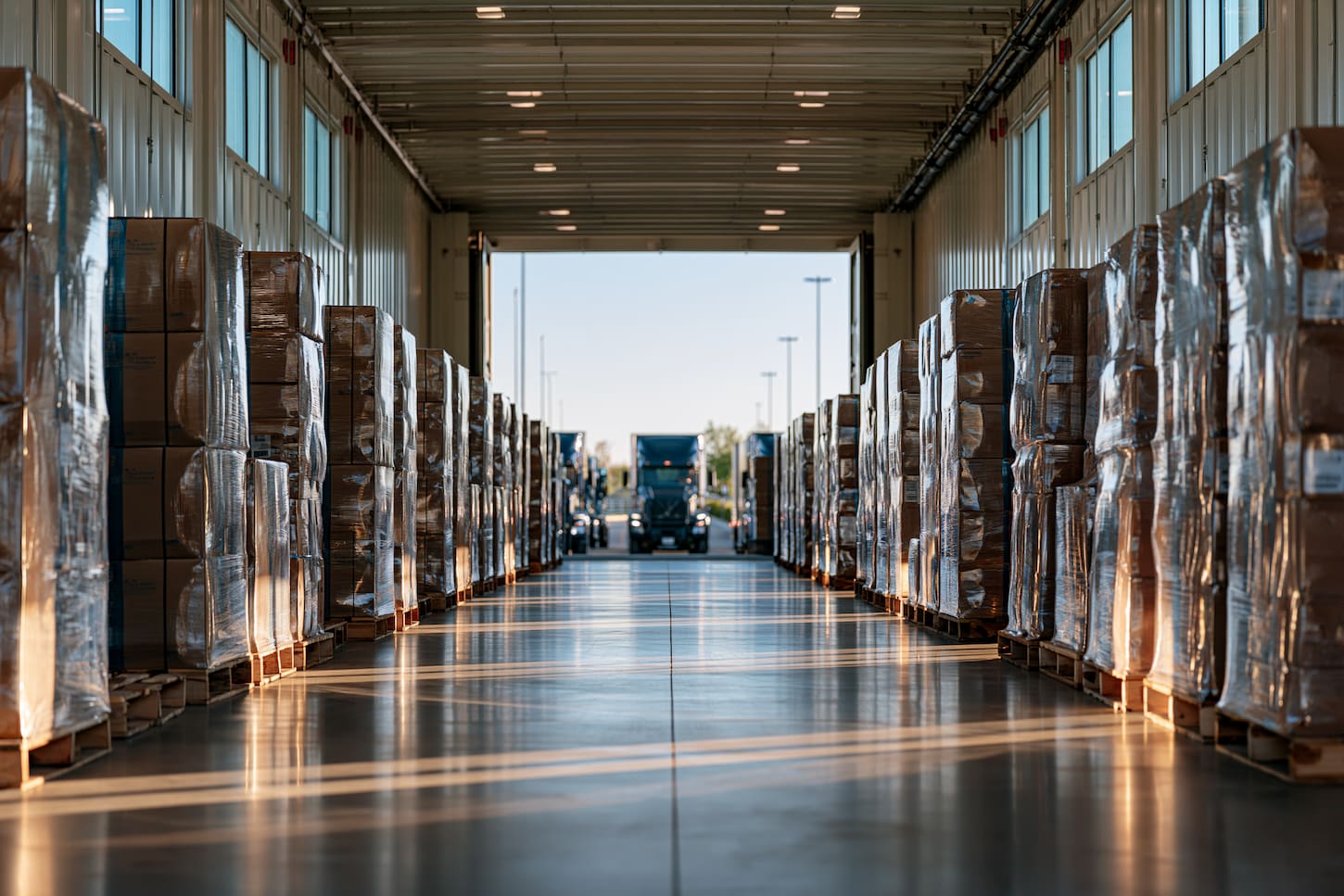
LTL freight consolidation reduces regional shipping costs by combining multiple smaller shipments from different shippers into a single truckload, spreading carrier base rates, fuel surcharges, and accessorial fees across all parties sharing that trailer space.
For businesses moving freight that does not fill an entire truck, this pooling approach directly cuts the per-unit cost of moving goods without sacrificing transit reliability.
Understanding how that cost reduction actually works in practice helps operations and supply chain teams make smarter decisions about their regional transportation networks.
The Core Mechanic Behind the Savings
Carriers price LTL shipments using a rate structure tied to freight class, weight, and distance.
When a shipment travels alone, one shipper absorbs the full minimum charge floor that carriers apply to any load regardless of size. Consolidation eliminates that penalty by filling enough trailer space to push weight into lower rate brackets, where the cost per hundredweight drops meaningfully.
A practical example illustrates this quickly.
A 500-pound regional pallet moving solo might sit in a high per-hundredweight bracket. That same pallet moving inside a consolidated load of 8,000 combined pounds earns pricing closer to a volume or partial truckload tier, cutting the cost per pound significantly without any change in the actual freight.
How Regional Lanes Drive the Math
Regional consolidation works best on lanes under 500 miles where carriers operate dedicated hub-and-spoke networks. On these shorter corridors, transit times between consolidation terminals stay tight, meaning pooled freight rarely adds more than one business day to delivery windows compared to a direct solo shipment.
The financial benefit on regional lanes specifically comes from three places.
- Fuel surcharges are applied to the base rate, so a lower base rate produces a proportionally smaller surcharge
- Minimum charge penalties disappear when combined shipment weight crosses carrier thresholds
- Accessorial fees for liftgate, residential delivery, or inside delivery can sometimes be applied once per stop rather than once per individual shipment
Carrier Selection and Dock Coordination Matter
Cost savings from consolidation erode quickly when carrier vetting is weak or dock operations are disorganized. Double-brokering and fraudulent carrier pickups are real financial threats on consolidated loads because multiple shippers share a single trailer, meaning a single bad actor can affect several businesses at once.
Reliable consolidation programs verify valid motor carrier identification before any vehicle accesses the dock, use geo-fenced GPS tracking to confirm driver arrivals, and require digital proof of delivery before cargo changes hands. This level of verification protects the financial benefit of the consolidated rate by ensuring freight actually moves on the carrier quoted rather than being passed to an unvetted secondary party.
Dock scheduling also has a direct dollar impact. Slow loading operations generate driver detention fees that carriers pass back to shippers, sometimes offsetting a meaningful portion of the rate savings consolidation was supposed to create.
Structured time-slot scheduling that turns drivers around quickly keeps those detention charges off the invoice.
Freight Class Accuracy Protects the Rate
One area where operations teams frequently lose consolidation savings is inaccurate freight classification. Carriers conduct audits, and a reclassification mid-transit on a consolidated load can trigger invoice corrections that wipe out the rate advantage entirely.
Getting density calculations, packaging weight, and commodity descriptions correct before the shipment enters the consolidation stream is not a back-office formality. It is the step that locks in the quoted savings on the other end.
Reverse Logistics and the Return Shipment Cost
Regional consolidation also applies to reverse logistics flows, which operations teams often overlook when calculating total transportation spend. Returned goods moving back from customers or retail locations toward a central warehouse can travel on the same consolidated lanes in the opposite direction.
Routing returns through an organized consolidation program rather than individual prepaid return labels reduces per-unit transportation cost on that outbound-to-inbound cycle.
Items that pass inspection re-enter active inventory faster, and the transportation cost attached to each recovered unit stays lower than it would on a standalone return shipment.
What Independent Research Shows
According to the American Transportation Research Institute, regional carrier operating costs per mile are sensitive to load factor, confirming that higher trailer utilization directly reduces the cost each individual shipper absorbs.
The Federal Motor Carrier Safety Administration also maintains carrier verification databases that shippers and 3PLs can use to confirm motor carrier authority before committing freight to any consolidation program.
Practical Steps for Operations Teams
- Audit current LTL invoices for minimum charge patterns, which signal shipments that would benefit immediately from consolidation
- Map regional lanes under 500 miles where shipment frequency is consistent enough to build a reliable pool
- Confirm that any consolidation partner uses documented carrier verification and digital delivery confirmation
- Review freight class assignments for your top ten commodities before entering a new consolidation program
- Include return freight volumes in your lane analysis to capture the full cost reduction available on both directions of the lane
Regional shipping costs respond directly and measurably to consolidation when the underlying dock operations, carrier verification, and freight classification are managed with discipline.
The rate mechanics create the opportunity, and the operational detail determines how much of that opportunity actually reaches the bottom line.