
The Real Difference Between a 3PL and a Freight Forwarder
3pl vs freight forwarder is one of the most common points of confusion in logistics, and mixing them up can leave serious gaps in your supply chain. Here is the short answer.
| 3PL (Third-Party Logistics) | Freight Forwarder | |
|---|---|---|
| Primary role | Warehousing, fulfillment, inventory management | Coordinating international transport |
| Owns physical assets | Yes (warehouses, equipment) | No (arranges carriers) |
| Handles customs | Sometimes, via partners | Yes, core service |
| Best for | Domestic order fulfillment and scaling | Cross-border bulk shipping |
| Customer touchpoint | Ongoing operational partner | Transactional, shipment-by-shipment |
A freight forwarder moves your goods from point A to point B across borders. They handle the paperwork, carrier coordination, and customs compliance. They do not store your inventory or pick and pack your orders.
A 3PL takes over once your goods arrive. They receive, store, and fulfill your inventory. They are your operational backbone for getting individual orders out the door to customers.
Many businesses need both, not one or the other. The right choice depends on where your supply chain actually breaks down.
My name is Cole Russell, and I grew up around the logistics industry before spending the last five years helping businesses cut through exactly this kind of confusion around the 3pl vs freight forwarder decision. In this guide, I’ll walk you through how each model works, where they overlap, and how to pick the right fit for your operation.
Defining the operational roles of a 3PL vs freight forwarder
To understand the 3pl vs freight forwarder dynamic, it helps to look at who actually touches your product. We often describe a freight forwarder as a travel agent for your cargo. They do not own the airplanes, ships, or trucks. Instead, they use their deep carrier networks to find the best routes and rates. They are experts in the “how” of transportation.
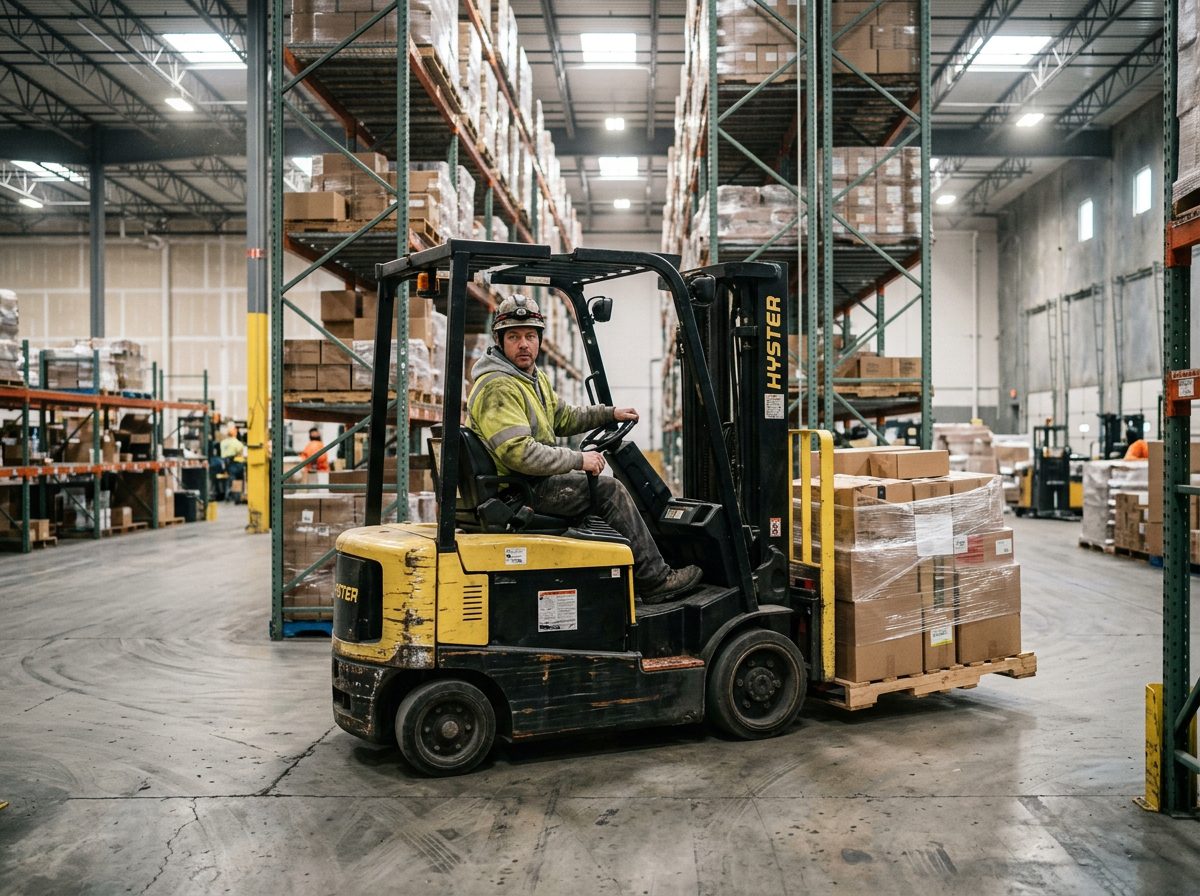
A 3PL is more like a full service property manager for your inventory. When we act as a 3PL, we take physical possession of your goods. We own the warehouses, the racking systems, and the forklifts. We manage the day-to-day operations of receiving pallets, tracking stock levels, and ensuring that when a customer places an order, the right item is found, packed, and shipped.
The scope of a 3PL is generally much broader than that of a forwarder. While a forwarder focuses on the transit phase, a 3PL manages the entire lifecycle of the product once it hits the warehouse floor. This includes value-added services like kitting, assembly, and managing returns. You can find more info about 3PL vs freight forwarder to see how these roles evolve as a business grows.
Core differences in logistics infrastructure
The biggest differentiator is asset ownership. Freight forwarders are typically non-asset based. Their value lies in their relationships and their ability to navigate complex shipping lanes. They provide the paperwork and the coordination, but they do not provide the square footage.
In contrast, a 3PL provides the physical infrastructure. In our Indianapolis facilities, we manage 2 million square feet of specialized space. This physical presence allows us to offer high-level inventory management that a forwarder simply cannot provide.
| Feature | Freight Forwarder | 3PL Provider |
|---|---|---|
| Inventory Storage | Rare / Short-term only | Core service / Long-term |
| Picking and Packing | No | Yes |
| Asset Ownership | Non-asset (Intermediary) | Asset-based (Warehouses/Equipment) |
| Customs Expertise | High (Primary focus) | Moderate (Often outsourced or partnered) |
| Relationship Type | Transactional / Project-based | Strategic / Long-term partnership |
Freight forwarders coordinate the movement of goods across borders
If you are importing 1,000 units of a product from a manufacturer in Asia, you need a freight forwarder. They are the specialists who handle the red tape of international trade. This includes negotiating rates with ocean carriers, booking space on cargo planes, and ensuring that your shipment complies with all import and export regulations.
The role of a freight forwarder involves managing a multimodal transport strategy. Your goods might start on a truck, move to a ship, and finish the journey on a rail car. The forwarder ensures that each handoff is seamless and that the documentation, like the Bill of Lading and commercial invoices, is accurate to avoid costly delays at the port.
Key benefits of specialized international shipping
One of the primary benefits of using a freight forwarder is their ability to consolidate shipments. If you do not have enough product to fill an entire shipping container, a forwarder can combine your goods with those of other shippers. This “Less than Container Load” (LCL) service saves you significant money on bulk transport.
They also act as a shield against the volatility of international shipping. Because they work with massive volumes across many clients, they have the buying power to secure better rates and guaranteed space, even during peak seasons when capacity is tight. They also provide cargo insurance, giving you peace of mind that your investment is protected while it is on the water or in the air.
3PL providers handle the physical storage and fulfillment of inventory
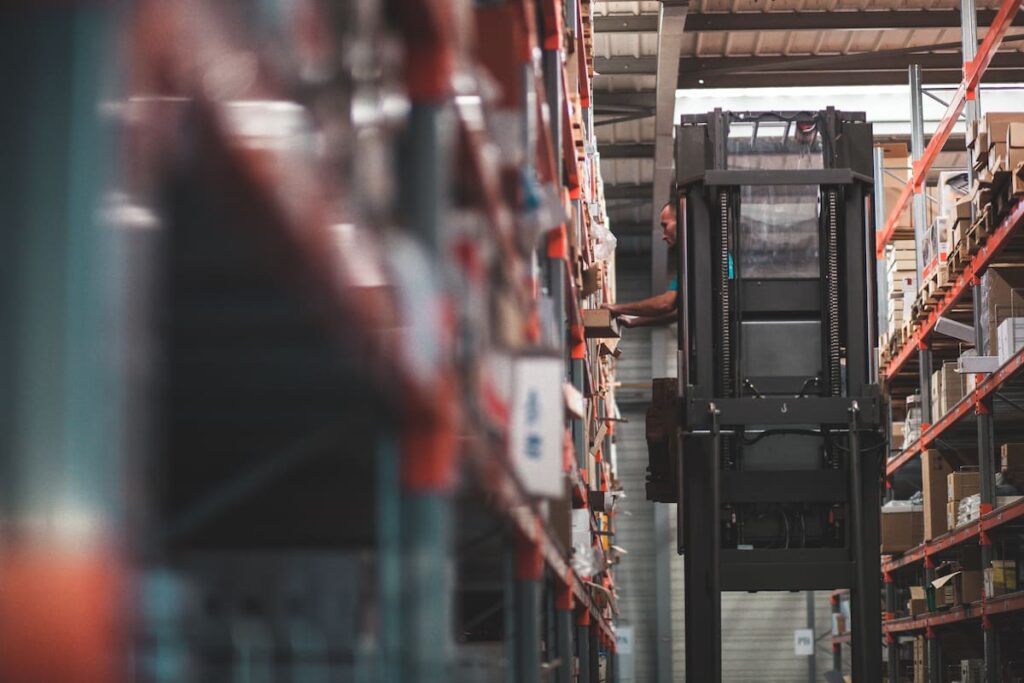
Once your goods clear customs and arrive at the destination, the forwarder’s job is largely done. This is where the 3PL takes the lead. We receive the containers at our loading docks, verify the contents against the packing slip, and move the items into organized storage.
Our focus is on the “last mile” and the internal health of your supply chain. This includes sophisticated order fulfillment where we integrate directly with your sales platforms. When an order comes in, our team picks the item, packs it according to your brand standards, and ships it directly to the end user or a retail partner. For many companies, high performing 3PLs are the difference between a satisfied customer and a lost sale. We also provide 3PL brokerage services to help manage domestic transportation needs.
Key benefits of a 3PL vs freight forwarder for ecommerce
For ecommerce brands, the 3PL model offers a level of scalability that is impossible to achieve in-house or through a forwarder alone. We handle the seasonal peaks, like the holiday rush, by adjusting our staffing and warehouse space to meet your demand. You do not have to worry about the overhead of a half-empty warehouse in the off-season.
Safety and efficiency are also major factors. We prioritize safety protocols to protect our team and your inventory. Furthermore, we use advanced technology like AI picking systems. This technology reduces walking time for our team, allowing us to fulfill orders faster and with higher accuracy.
Evaluate your business needs to select the right logistics model
Choosing between a 3pl vs freight forwarder depends on your current pain points. Are you struggling to get your products into the country? Or are you struggling to get them out of your garage and into the hands of customers?
If your business is small and you only ship a few bulk orders a month, a freight forwarder might be all you need. However, as you scale, the need for storage and individual order processing becomes critical. We often see businesses reach a “tipping point” where they can no longer manage inventory in-house. At that stage, finding more info about choosing a 3PL becomes a top priority. You can also look into strategic partnerships to understand how these relationships drive growth.
Deciding between a 3PL vs freight forwarder for international growth
If you are expanding internationally, the complexity of your supply chain will increase. You have to consider the “landed cost” of your goods, which includes everything from manufacturing and shipping to duties and warehouse fees.
A freight forwarder is a transactional partner. You hire them for a specific shipment, and once it is delivered, the transaction is over. A 3PL is a long-term partner. We work with you to optimize your inventory levels, reduce shipping times, and improve your overall bottom line. For industries like Life Sciences or Automotive, where precision is non-negotiable, this long-term alignment is essential for maintaining regulatory compliance.
Common questions regarding logistics service providers
Many of our clients in Indianapolis ask similar questions when they are trying to untangle the web of logistics terminology. Understanding the nuances of 3PL vs managing your own warehouse is usually the first step in the journey.
Do 3PL providers handle international shipping and customs
Yes, many 3PLs do handle international elements, but they often do it differently than a dedicated forwarder. Some 3PLs have in-house customs brokerage licenses, while others partner with preferred freight forwarders to provide a seamless experience.
At Hanzo, we focus on inbound logistics. We coordinate with your forwarders to ensure that when your containers arrive at the port, we have the transportation ready to bring them to our warehouse. We handle the documentation and the communication required to move your goods from the port to our racks without a hitch.
How does a freight broker differ from a 3PL
A freight broker is even more specialized than a freight forwarder. While a forwarder focuses on international moves and documentation, a broker is usually a matchmaker for domestic shipping. They connect shippers with truck drivers for single shipments.
Like forwarders, brokers are non-asset based. They do not own the trucks or the warehouses. A 3PL provides a much deeper relationship. We don’t just find you a truck; we manage the inventory that goes on the truck, the warehouse it came from, and the data that tracks its progress.
Can a business use both a 3PL and a freight forwarder
Actually, most successful mid-sized and large businesses use both. This hybrid model provides end-to-end coverage. The freight forwarder handles the “long haul” across the ocean, and the 3PL handles the “ground game” once the product is in the country.
This combination allows for total supply chain optimization. The forwarder minimizes your international transit costs, and the 3PL minimizes your domestic storage and fulfillment costs. By having these two entities coordinate, you eliminate the visibility gaps that often lead to delays and extra fees.
Build a resilient supply chain with a strategic logistics partner
At Hanzo Logistics, we understand that your supply chain is the lifeblood of your business. Based in the Indianapolis logistics hub, we specialize in solving high-stakes challenges for industries like Automotive, Life Sciences, and Industrial Products.
We provide more than just space. Our 2 million square feet of infrastructure is backed by 24/7 availability and a proactive team that treats your brand reputation as our own. We replace the traditional lack of visibility with real-time data, ensuring that your operations never break under the pressure of growth or seasonal peaks. Whether you need specialized storage or a custom-tailored fulfillment engine, we are here to help you scale with confidence. Explore our transportation services to see how we can bridge the gap in your supply chain.