Summary: Automotive plants keep assembly lines running by matching delivery methodology to component characteristics. Standard replenishment works for homogeneous parts like fasteners where operators draw from station inventory. Sequence delivery solves the variant problem for parts like seats and instrument panels by presenting them in exact build order so operators install by position without sorting. Four factors determine which method applies: variant count, physical size, unit cost, and commonality across builds. Sequence delivery shifts complexity upstream to the logistics provider and eliminates heavy line-side inventory, but requires tight data integration with manufacturer broadcast systems and leaves almost no margin for error.
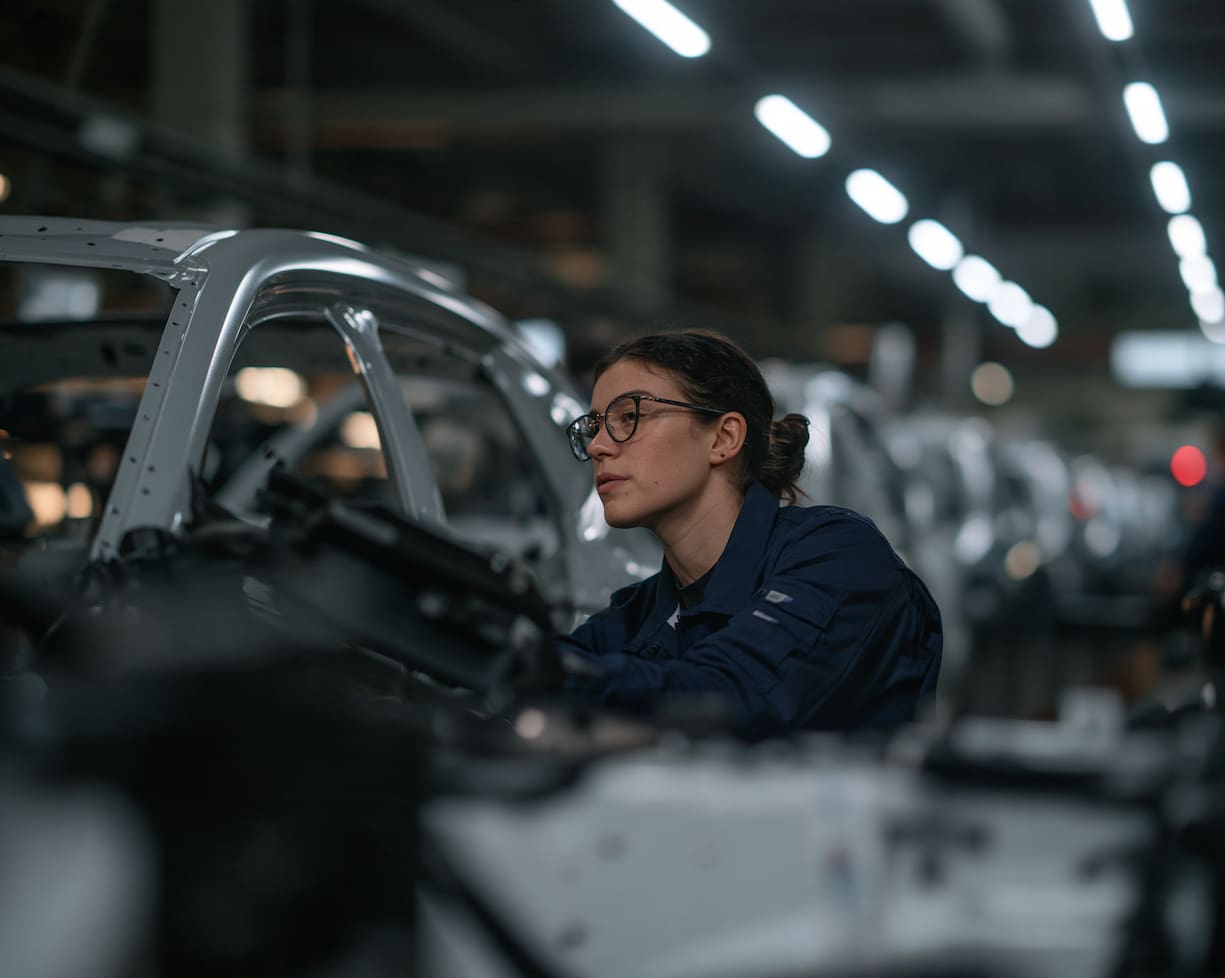
Assembly lines do not wait for anyone. When a vehicle reaches a station, the operator has a fixed window measured in seconds to install the right components before the line advances.
A missing or incorrect part creates an immediate unplanned stoppage. Industry research confirms that an idle automotive assembly line can cost manufacturers up to $2.3 million per hour in lost revenue and recovery expenses.
Two delivery methodologies control how parts reach these assembly stations. Just-in-Time delivery supplies standardized components based on standard consumption rates, while our automotive logistics teams use Just-in-Sequence delivery to present variant-specific parts in the exact order vehicles move down the line.
The right choice depends entirely on what each station needs. We see plants operating both methodologies in parallel across different part categories on the exact same line.
JIT replenishes standard parts while JIS delivers specific variants in exact build order
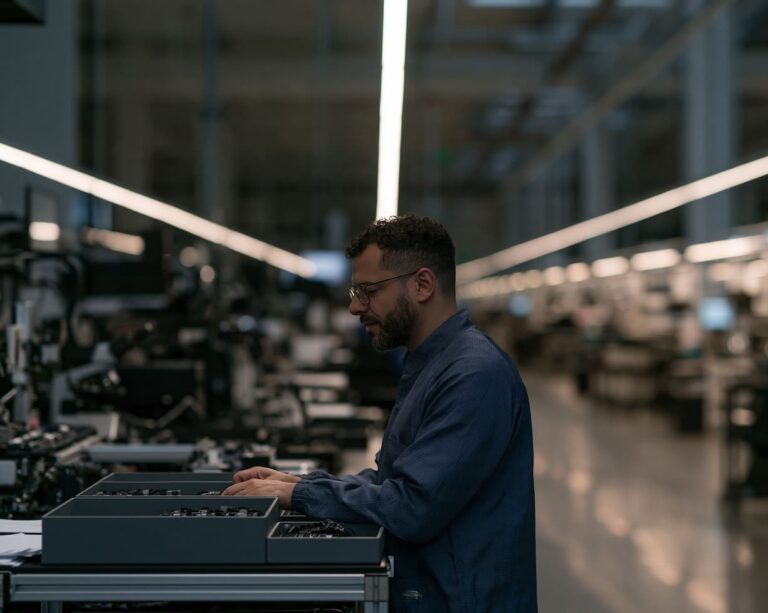
Standard replenishment maintains a small working inventory at the station. The operator draws from this supply as vehicles arrive.
Sequence delivery presents variant-specific parts in the exact order vehicles move down the line. The operator takes the first part from the rack and installs it onto the first vehicle without sorting through options.
Standard delivery answers whether you have enough of a part available. Sequence delivery answers whether you have the right variant ready for a specific vehicle.
We use standard replenishment for components that look identical across all builds and sequence delivery for parts that change based on vehicle configuration.
Line-side delivery puts ready-to-use components directly at the installation point
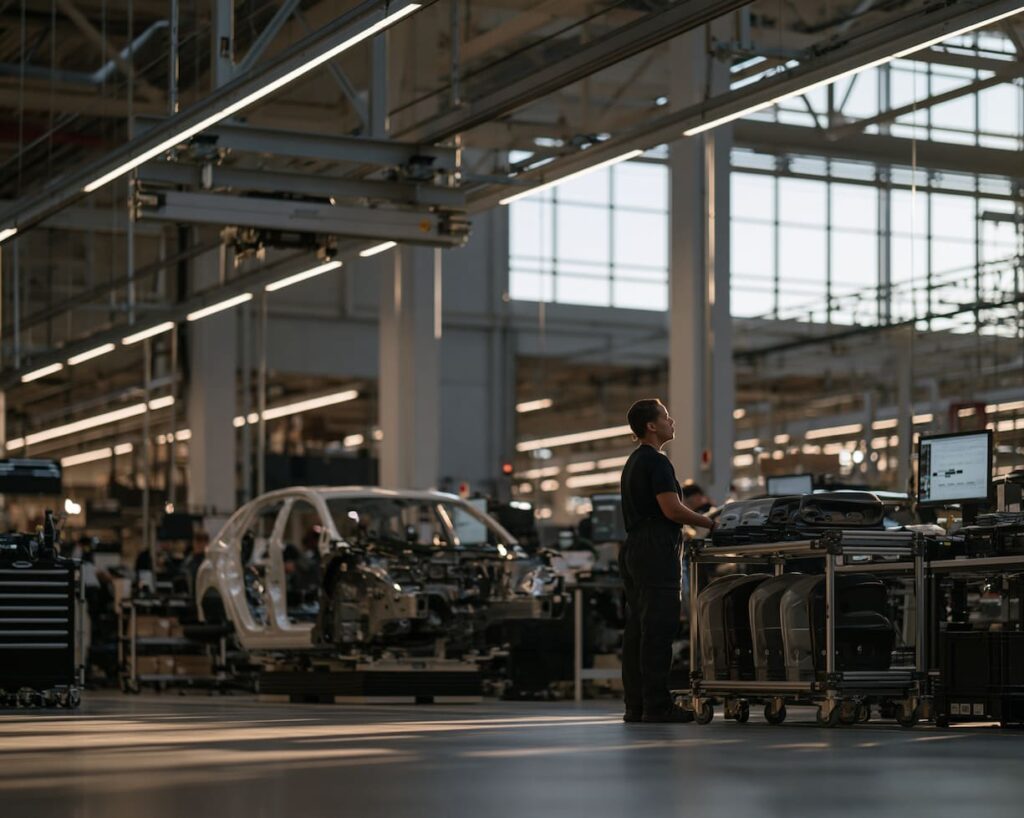
Parts must arrive right where the work happens.
An operator needs to grab a component and install it without leaving the station or wasting time searching through distant inventory. Logistics providers must coordinate a massive influx of materials, as a modern vehicle requires the precise assembly of approximately 30,000 individual parts.
A station installing instrument panels cannot hold fifteen dashboard variants stacked next to the line. A seat installation station cannot hold three days of inventory when each seat weighs fifty pounds and varies by color or material.
Cycle times measured in seconds define the delivery precision required
Automotive assembly lines move continuously with vehicles advancing on a fixed cycle time. A plant producing sixty vehicles per hour gives each station exactly one minute per vehicle.
Parts must arrive before that window opens and in a form the operator can immediately use. The goal involves getting the right part to the right station at the moment the operator needs it.
Standard replenishment replaces consumed inventory at scheduled intervals
Parts arrive in predetermined quantities at scheduled intervals to replace what the station consumed during the previous period. The core goal focuses on maintaining a small working inventory without building excess stock that eats up floor space and ties up cash.
Kanban signals and scheduled routes govern replenishment timing
We rely on several trigger mechanisms depending on the plant layout and part type.
- Kanban card systems signal when a container empties and needs a replacement
- Scheduled milk runs circulate through the plant on fixed routes to drop replenishment quantities at each station
- Consumption-based pull systems calculate delivery quantities from production counts and bill of material requirements
These mechanisms focus entirely on quantity and timing rather than sequence. The delivery brings a batch of parts that the station will consume over the next cycle.
Homogeneous components fit standard delivery models efficiently
This model fits parts that remain identical regardless of which vehicle reaches the station. Fasteners and common brackets fit this model well because they share the same footprint across all configurations. Adhesives and standard fluid fills work perfectly with bulk replenishment since they carry zero variant complexity.
An operator needs basic availability when a station installs the same component on every vehicle. It does not matter which specific fastener from the bin goes onto which specific vehicle.
Mixed-model assembly requires sequence delivery to solve variant complexity
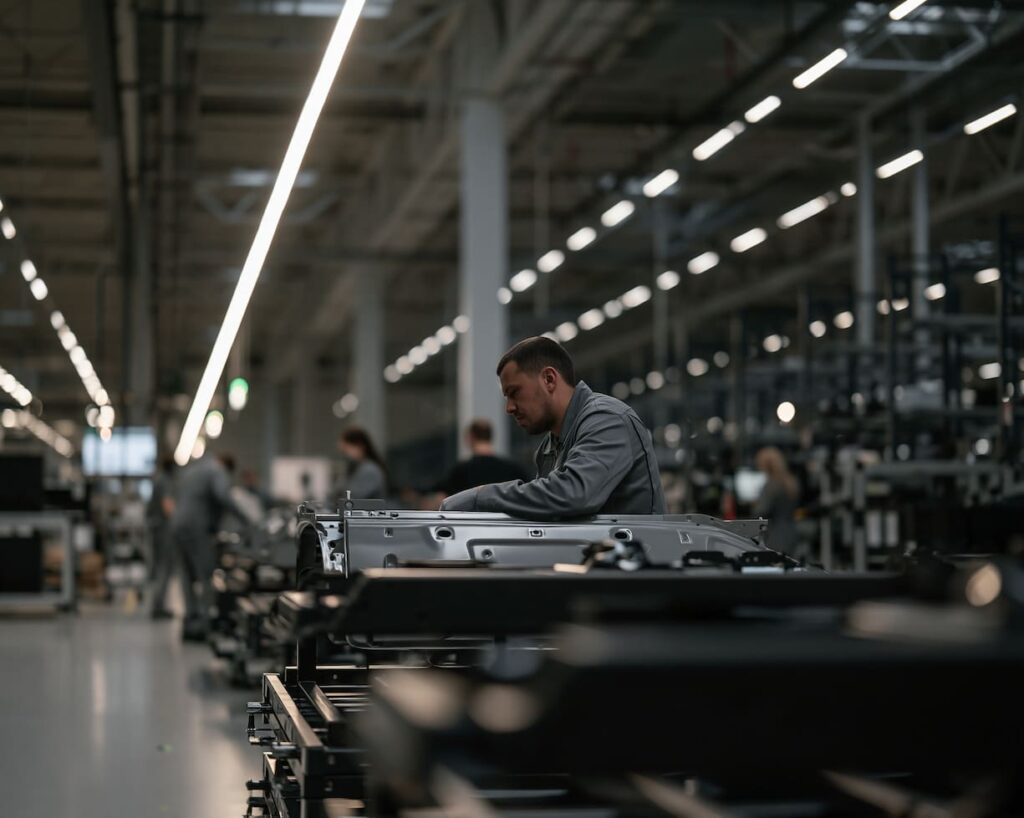
Few modern automotive plants build a single vehicle configuration. A typical assembly line produces multiple models and trim levels on the same equipment.
A single facility might build sedans and crossovers in alternating sequence with dozens of configuration options. Operators need the specific variant that matches the vehicle arriving at that exact moment.
Seat variants demonstrate why sequencing eliminates station inventory constraints
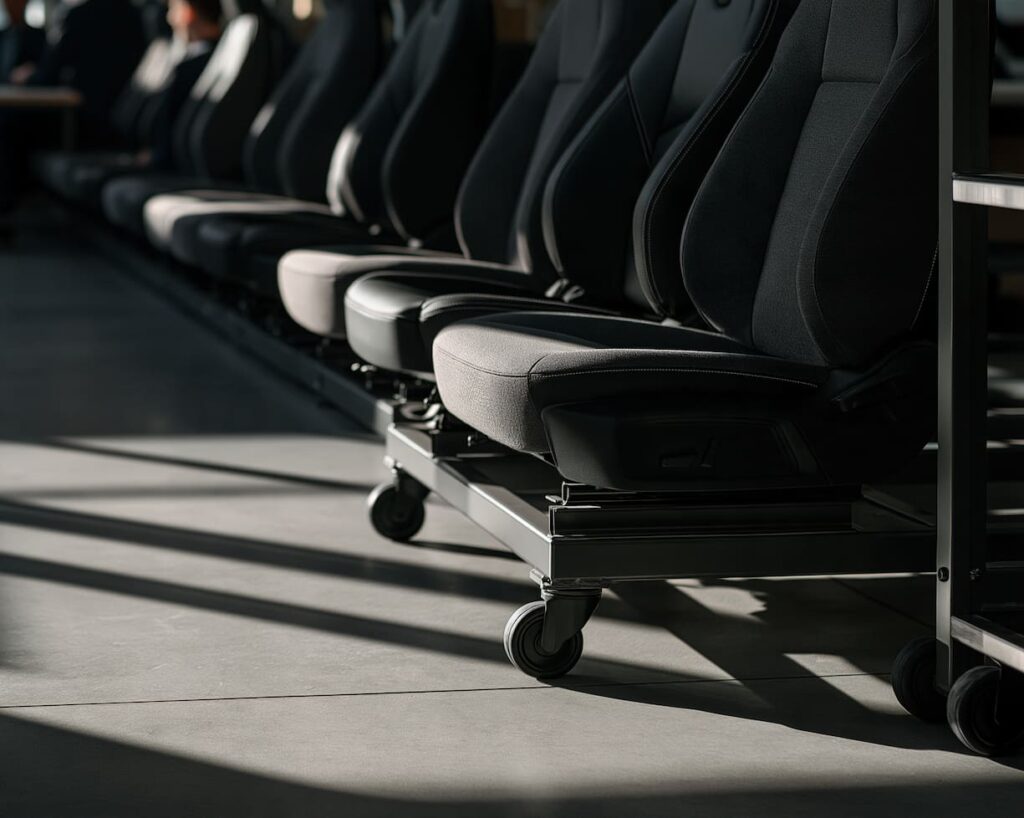
The vehicles arriving at a seat installation station might require cloth seats in gray for one vehicle and sport seats with contrast stitching for the next.
Each vehicle on the line could require a totally different configuration. The station cannot maintain working inventory of every possible variant because there is no physical space to hold it all, and the inventory investment would also be substantial.
Dashboard variants multiply the matching problem
The instrument panel station faces deep complexity with operators handling left-hand-drive variants alongside right-hand-drive setups. Some dashboards feature analog gauges while others require digital displays or premium audio integrations.
Each vehicle needs its specific variant available right when that vehicle arrives. Standard delivery assumes the operator can draw from a homogeneous inventory, but mixed-model assembly breaks that assumption for any component with variant complexity.
Sequence presentation eliminates station-level sorting entirely
Sequence delivery solves the variant problem through precise ordering. Parts arrive at the station in the exact sequence vehicles move down the assembly line.
The operator installs the first part from the delivery rack onto the first vehicle that arrives. The second part goes onto the second vehicle and so on. The matching happens entirely through physical position.
We design these programs to eliminate station-level sorting entirely. The operator does not examine the vehicle or consult a build sheet before searching for the matching component. The complexity shifts upstream to our sequencing operations where we pick and load parts in exact build order before shipping them to the plant.
Two-to-four hour delivery windows require precise coordination
The timing precision required for sequence delivery far exceeds standard replenishment requirements, with sequenced parts typically arriving within a 2-4 hour window before installation. Some high-velocity programs operate on even tighter timelines. This near-synchronous delivery means we must know the production sequence with enough lead time to pick and transport parts.
Delivery racks match physical position to sequence position
Parts arrive on specialized racks with position markers matching vehicle sequence numbers. A seat delivery might arrive on a wheeled rack holding twelve seats in positions one through twelve, corresponding directly to the next twelve vehicles scheduled for that station.
We design rack configurations to integrate with station ergonomics, positioning parts for efficient operator access in perfect build order.
Electronic broadcast data drives the entire upstream sequencing operation
Sequence delivery depends on information as much as transportation. We cannot sequence parts without knowing the production schedule well in advance, and that schedule must transmit with enough lead time for sequencing operations to prepare the load.
Broadcast data flows from the manufacturer to sequencing operations
The information flow begins when the manufacturer finalizes the production sequence. This broadcast specifies which vehicles will build in which order along with the configuration details.
Production sequence messages contain several critical data elements.
- Sequence position numbers define the exact order of vehicles on the line
- Vehicle identification codes track specific builds through the production process
- Specification codes map directly to specific part numbers for each configuration
Our systems receive this data and translate it into actionable instructions, picking a specific part for position one and moving through the entire sequence window.
Sequence position identifiers travel with the part through every handling step
The sequence position becomes an identifier that travels with the part through picking and loading operations. Rack positions correspond to sequence numbers while scanning systems verify correct loading to ensure sequence integrity survives until the part reaches the assembly station.
This data integration requires investment from both parties. The manufacturer must generate accurate broadcast data while we build systems capable of executing against that data continuously.
Lead times vary based on program complexity and distance
We typically receive broadcast data 4-8 hours before the corresponding vehicles reach the assembly station. Some programs with longer transportation distances transmit 12-24 hours ahead.
The lead time must account for data processing, sequencing, and transportation to the plant. Tighter windows demand closer geographic proximity between sequencing operations and the assembly facility.
Four operational factors dictate whether a component requires sequence delivery
The decision between delivery methods follows directly from the part characteristics. We evaluate four factors when designing delivery programs.
Variant counts drive the primary delivery decision. Single configurations across all vehicles work efficiently with standard replenishment. Five or more variants tied to a vehicle specification likely require sequence delivery, though the exact threshold depends heavily on station space and inventory economics.
Physical size mandates sequencing independently of variants. Large components that cannot be staged in multiples at the station require sequencing even with moderate variant counts. A station cannot hold four different bumper fascias or multiple headliner configurations simultaneously, so size constraints alone often mandate a sequenced approach.
High-value parts favor sequencing to reduce inventory exposure. Significant working capital ties up when high-cost parts stage in quantity. Sequenced delivery minimizes the inventory buffer on the floor while reducing damage risk when expensive parts sit in congested station areas.
High commonality points toward standard replenishment. Parts identical across all builds work efficiently with basic replenishment models. Standardization eliminates the matching problem that sequence delivery solves.
Component characteristics determine which delivery method applies
We see consistent patterns emerge across automotive programs based on these criteria.
Components requiring sequence delivery typically include:
- Seats due to high variant counts and substantial unit costs
- Instrument panels facing configuration complexity and size constraints
- Painted exterior components like bumper fascias requiring perfect color matching
- Headliners and door trim panels carrying heavy variant and size combinations
Components suited for standard replenishment include fasteners that remain identical across all configurations and adhesives or sealants that carry zero variant complexity.
We operate both methodologies simultaneously on the same line, with the delivery method following directly from what each station needs.
Sequencing costs more to execute but eliminates heavy space constraints at the station
Sequence delivery costs more than standard replenishment to execute. Our sequencing operation adds labor at the facility and reduces transportation efficiency due to tight timing windows. Data systems require constant development and maintenance investment.
We accept these costs because the alternative costs more at the assembly plant. Line-side space is expensive to expand and operationally disruptive when congested. Station-side inventory for high-value parts represents capital that could deploy elsewhere. Operator time spent sorting parts instead of installing them reduces effective plant capacity.
Dedicated kitting and assembly alongside sequence delivery shifts the hard work upstream so the active workstation focuses entirely on a basic pick-and-install motion. Standard delivery keeps things straightforward for parts where station-level inventory management remains manageable.
Building complex delivery systems for simple parts wastes money on unnecessary sequencing infrastructure. Failing to build adequate delivery systems for complex parts creates station-level chaos that slows production or stops lines entirely.
Sequence errors carry immediate consequences due to minimal station buffers
Sequence delivery operates with a minimal buffer. When sequence integrity fails, the wrong part arrives at the station at the exact moment the corresponding vehicle does.
Wrong loading, picking errors, and broadcast failures break sequence integrity
Several failure scenarios can break sequence integrity.
- Wrong rack position loading causes a mismatch when the operator installs the first item from a delivery
- Picking errors at the sequencing facility mean an incorrect variant ships and fails to match the vehicle specification
- Broadcast data propagation failures misalign entire deliveries when production sequence changes occur
Installing the wrong part or stopping the line creates unacceptable outcomes
An operator who installs the wrong part creates a quality defect requiring downstream correction. Halting the line stops all production until the correct part arrives.
Neither outcome provides an acceptable routine occurrence.
Receipt scanning and station verification catch mismatches before installation
We build verification systems at multiple points to prevent sequence failures from reaching the assembly station.
- Receipt scanning systems confirm rack contents match the expected sequence upon arrival
- Local station scanners verify the part matches the vehicle before the operator begins installation
- Exception handling protocols define escalation paths when mismatches occur
Standard replenishment failures allow recovery time that sequence delivery does not
A missed replenishment delivery depletes station inventory but the inventory buffer provides time for an expedited response. The operator continues installing from remaining inventory while logistics coordinates emergency fulfillment.
This difference shapes risk management. Sequence delivery requires higher reliability in every step because the margin for recovery is so narrow. Standard delivery tolerates occasional variation because the inventory buffer absorbs the disruption.
Effective floor delivery requires both methodologies to operate reliably in parallel
These delivery models serve different production requirements on the same assembly line. The methodology follows exactly what each station needs.
Standardized components with low variant counts fit basic replenishment models efficiently. Variant-intensive components require sequence delivery to keep the line moving.
We design and operate both capabilities in parallel. The replenishment channels maintain adequate station inventory without overstocking. The sequence channels sustain integrity from broadcast through installation.
A plant that executes both well keeps the line running and prevents quality defects.