
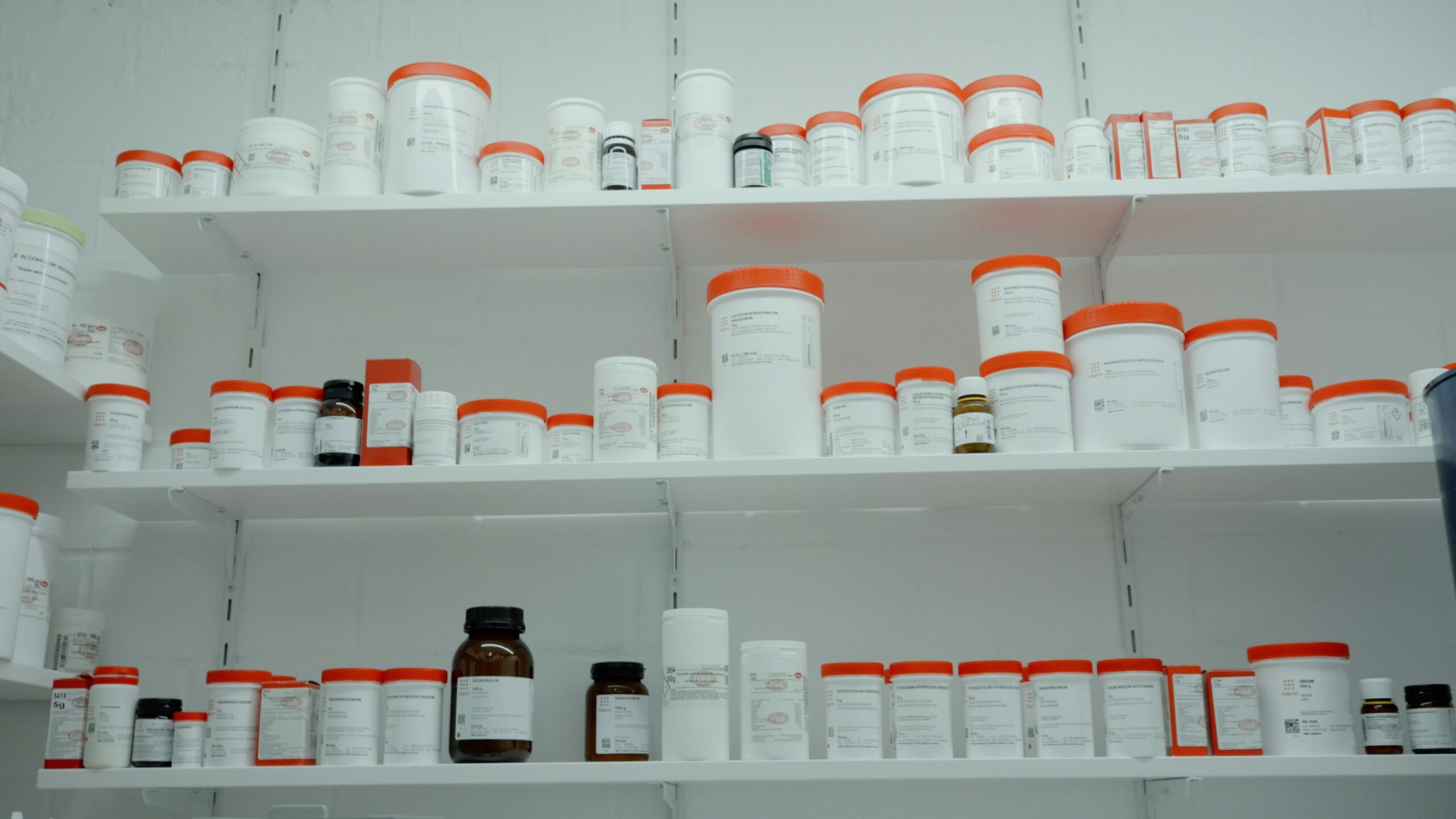
Specialized drugs require a high-touch drug distribution network
A drug distribution network is the system of manufacturers, wholesalers, specialty pharmacies, and logistics providers that moves medicine from a production facility to the patient who needs it. Here is a quick breakdown of how it works:
- Manufacturers produce the drug and decide how broadly it will be distributed
- Wholesalers buy in bulk and redistribute to pharmacies, hospitals, and clinics
- Specialty pharmacies dispense complex or high-cost drugs, often by mail
- 3PLs handle temperature-controlled storage, compliance, and last-mile delivery
- Patients receive their medication through retail pharmacies, mail order, or clinical settings
This system handles roughly $550 billion in annual US pharmaceutical spending. A small group of major wholesalers move about 90% of all drugs sold in the country. When it works, you never think about it. When it breaks, patients don’t get the medicine they need.
The stakes are high. A missed temperature threshold, a lost shipment, or a gap in documentation can mean real harm to real people. That is why every link in this chain, from the warehouse floor to the pharmacy counter, has to operate with precision.
I’m Cole Russell, and I grew up around the logistics industry, which gave me a front-row seat to how a well-run drug distribution network actually functions on the ground. In the sections below, I’ll walk you through every layer of this system so you understand exactly how medicine moves, where the risks live, and what good logistics looks like at each step.
Not every pill is treated the same way. Most of the time, when you think of a pharmacy, you think of an “open distribution” model. This is for your standard antibiotics or blood pressure meds. Any licensed pharmacy can buy these from a wholesaler and sell them to you.
However, many modern medications are only available through a limited distribution drug (LDD) network. These are often specialty drugs used to treat rare or complex conditions like cancer, multiple sclerosis, or rheumatoid arthritis. Because these drugs might cost thousands of dollars per dose or require very specific storage, a manufacturer might limit their distribution to 24 or fewer specialty pharmacies. In fact, about 80% of these LDDs are handled by fewer than 10 specialty pharmacies nationwide.
The FDA often requires a Risk Evaluation and Mitigation Strategy (REMS) for these drugs. This is a safety program that ensures the benefits of the drug outweigh its risks. This might involve extra training for the pharmacists or specific monitoring for the patient.
| Feature | Open Distribution | Limited Distribution (LDD) |
|---|---|---|
| Availability | Most retail pharmacies | Select specialty pharmacies |
| Drug Type | Common, primary care meds | Complex, rare, or high-cost meds |
| Handling | Standard storage | Often requires strict cold chain |
| Patient Support | Basic counseling | High-touch clinical support |
| Regulation | Standard FDA oversight | Often requires REMS programs |
Why manufacturers choose a limited drug distribution network
Manufacturers don’t limit distribution just to be difficult. They do it because specialized drugs are fragile and expensive. By working with a small, hand-picked group of pharmacies, a manufacturer can ensure that every person handling the product has been through rigorous clinical training.
These specialty pharmacies can support you in ways a neighborhood drug store simply isn’t equipped to do. They manage side effects, track patient data in real-time, and provide the manufacturer with the feedback needed to ensure the drug is working as intended. It is about maintaining total quality control from the lab to the patient’s front door.
How limited distribution drugs reach the patient
If you are prescribed an LDD, the process looks a bit different than a trip to the local grocery store pharmacy. Most of these medications are delivered via mail order through a specialty pharmacy. These pharmacies have dedicated staff who handle the heavy lifting of insurance authorizations and billing, which are notoriously complex for specialty meds.
Once you are in the system, these pharmacies conduct regular follow-ups. They don’t just ship the box and forget about you. They check in to see if you are taking the medication correctly and if you are experiencing any side effects. This care coordination is a huge part of why these networks exist. It improves medication adherence and ensures that a $50,000 course of treatment actually results in a better health outcome. They also help find copay assistance programs to make these life-saving treatments more affordable.
Wholesalers and 3PLs secure the integrity of the supply chain
The middle of the drug distribution network is where the physical work happens. In the US, the market is split between primary and secondary wholesalers. Primary wholesalers buy directly from manufacturers and represent the vast majority of the market. Secondary wholesalers often fill gaps in the supply chain, though they are sometimes viewed as a higher risk for drug diversion if they don’t follow strict accreditation standards.
Authorized distributors are the backbone of this movement. They are the ones responsible for why cold storage matters in pharmaceutical logistics. If a biologic drug that needs to stay between 2 and 8 degrees Celsius sits on a hot loading dock for twenty minutes, it might become chemically inactive. That is a total loss of product and a potential danger to the patient.
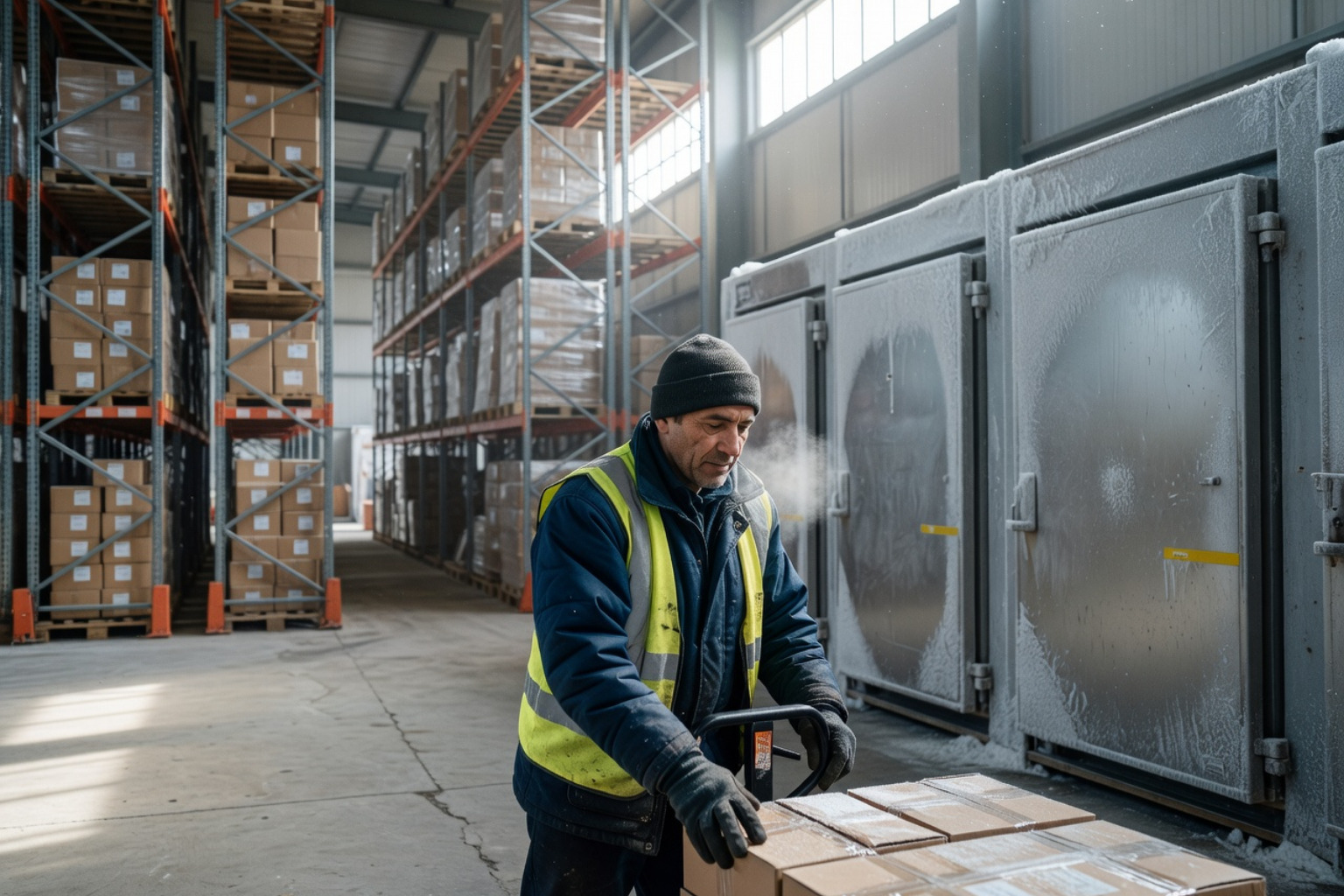
The role of a 3PL in a modern drug distribution network
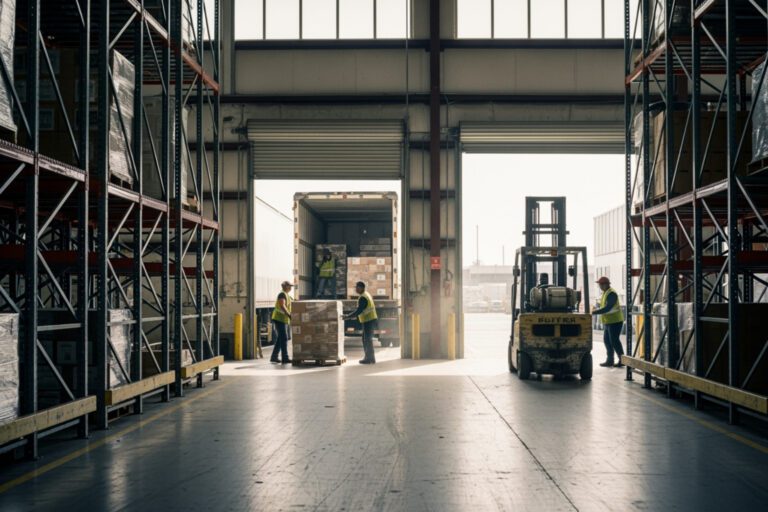
A third-party logistics (3PL) provider like us acts as the operational engine for pharmaceutical leaders. We don’t just “store boxes.” We provide a cGMP (Current Good Manufacturing Practice) compliant environment. This means our facilities are held to the highest regulatory standards for cleanliness, temperature control, and security.
When you look at how do 3PLs navigate the complexities of pharmaceutical logistics, it comes down to being audit-ready every single day. Whether it is cold storage or specialized fulfillment, our role is to protect the manufacturer’s brand reputation by ensuring that every shipment is accurate and every temperature log is perfect. We provide the visibility that allows pharmaceutical companies to scale without their operations breaking under the pressure of federal oversight.
Technology and regulation prevent drug diversion and counterfeiting
Drug diversion is a serious threat to the integrity of the supply chain. It happens when legal prescription drugs are intercepted and sold on the illegal market. This is particularly common with controlled substances. In fact, a Tracing Opioids Across the US: A High-Resolution Pharmaceutical Distribution Dataset shows just how complex these paths are, with nearly 500 million shipping transactions recorded over an eight-year period.
To fight this, the Drug Supply Chain Security Act (DSCSA) was enacted. It requires a full “track-and-trace” system for every package of medicine. We use several technologies to make this happen:
- Serialization: Every individual bottle or box gets a unique serial number.
- 2D Barcodes: These hold more data than a standard barcode, including expiration dates and batch numbers.
- RFID: Radio Frequency Identification allows us to track entire pallets of medication without opening every box.
- Mobile Verification: In some markets, patients can scan a scratch-off code on their medicine to verify it is authentic.
These technologies ensure that we can see exactly where a drug has been at every second of its journey. If a batch is recalled or if a suspicious shipment is flagged, we can pinpoint the exact units involved immediately.
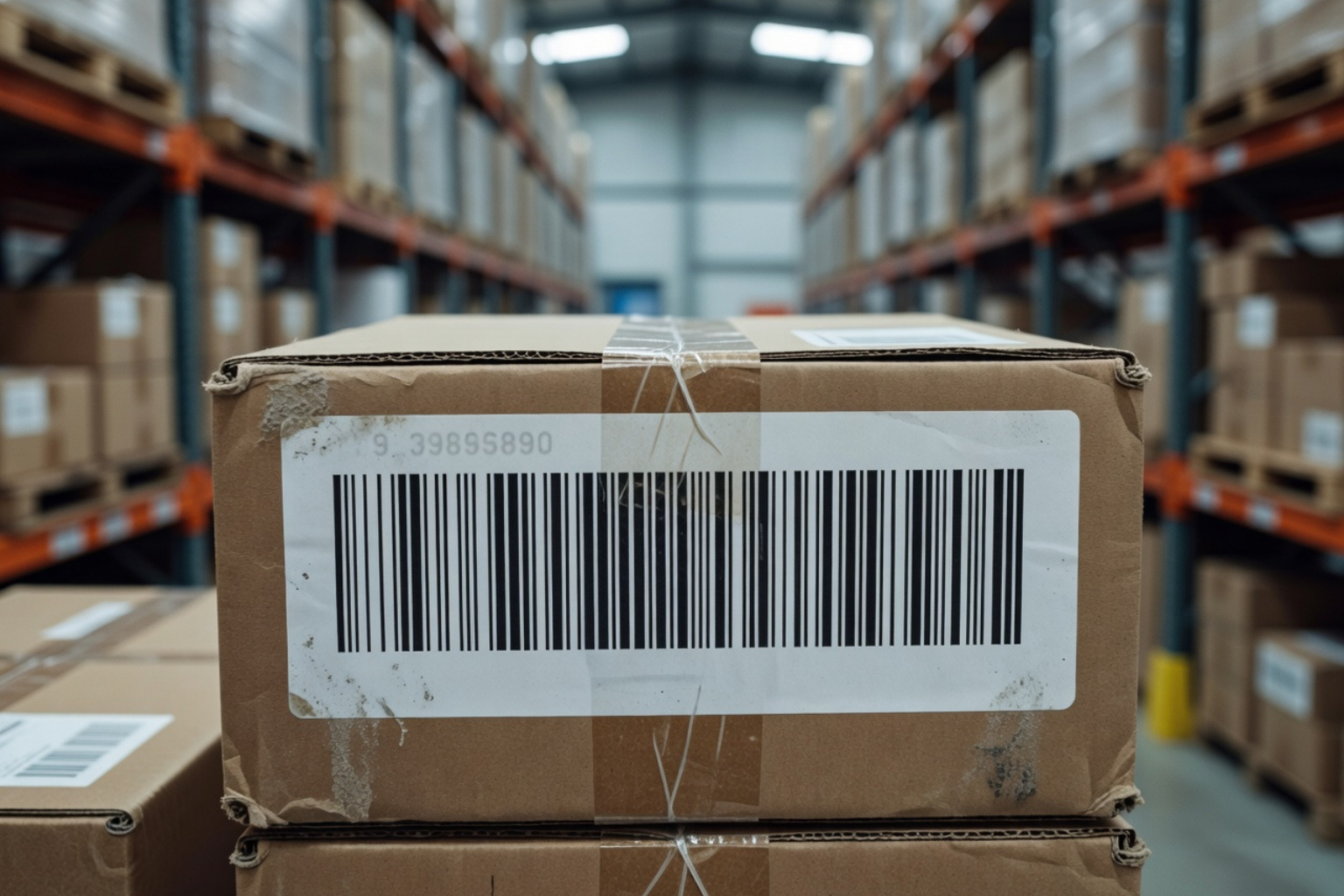
Strategic geography determines the speed of patient care
In the drug distribution network, location is everything. We operate out of the Indianapolis logistics hub for a very specific reason. Indiana is known as the “Crossroads of America” because it is first in the nation for pass-through highways.
From our facilities in Indianapolis, we can reach over 80% of the US population within a 48-hour shipping window. This is a game-changer for pharmaceutical life science products that have a short shelf life or require constant refrigeration. Being close to the second-largest FedEx air hub in the world and a major cargo center means we can get medicine to a patient in California or New York just as easily as someone in the Midwest.
Frequently Asked Questions about drug distribution
What is the difference between primary and secondary wholesalers?
Primary wholesalers buy drugs directly from the manufacturer and are the main suppliers for hospitals and pharmacies. They distribute about 90% of drugs in the US. Secondary wholesalers buy from other wholesalers or pharmacies. While they help manage shortages, they are often more heavily scrutinized for supply chain security.
How does a limited distribution network benefit patients?
While it might seem like it limits access, it actually provides better care. Patients getting LDDs through specialty pharmacies receive high-touch support, including help with insurance, financial assistance, and specialized clinical counseling that a standard retail pharmacy cannot provide.
Why is Indianapolis a major hub for drug distribution?
Indianapolis offers an unmatched combination of infrastructure. It has central proximity to the US population, the sixth-largest cargo airport in the nation, and more pass-through interstates than any other state. This allows for rapid, cost-effective distribution across the entire country.
Precision logistics protect the patient at the end of the line
At Hanzo Logistics, we understand that we aren’t just moving inventory. We are moving a patient’s lifeline. We serve as a strategic partner for pharmaceutical leaders who need more than just a warehouse. We provide the expertise, the 24/7 availability, and the real-time data needed to navigate a high-stakes industry where precision is non-negotiable.
Our specialized infrastructure and tailored fulfillment engine are designed to protect your brand reputation through every regulatory audit. We replace the traditional lack of visibility with proactive problem-solving, ensuring that your products reach the people who need them safely and on time.