
Modern warehouse operations turn every square inch into profit
Modern warehouse operations are the systems, technologies, and processes that move goods from receiving dock to customer door with speed, accuracy, and minimal waste.
Here is a quick breakdown of what modern warehouse operations actually involve:
| Area | What It Means |
|---|---|
| Space Utilization | Vertical storage, mezzanine floors, and high-density racking systems |
| Automation | Robotics, AS/RS, and conveyor systems that reduce manual error |
| Inventory Control | WMS and ERP integration for real-time stock visibility |
| Order Fulfillment | Automated picking, packing, and multi-channel order management |
| Safety and Training | Ergonomic design, collision avoidance, and continuous staff education |
| Sustainability | LED lighting, solar energy, and route optimization to cut emissions |
| Future Readiness | AI forecasting, autonomous vehicles, and micro-fulfillment centers |
Warehouses are no longer just big rooms full of boxes. They are the nerve centers of modern supply chains, where every square foot, every process, and every data point either adds value or bleeds cost. With e-commerce sales projected to grow at 15.1% annually, the pressure on warehouse teams to perform faster and smarter has never been higher.
The stakes are real. A single picking error ripples into a bad customer review. A poorly designed layout bleeds labor hours every single day. A warehouse without real-time data visibility is essentially operating blind.
I’m Cole Russell, and I grew up around the logistics industry before spending the last five years applying that experience hands-on to help businesses tighten their modern warehouse operations and protect the supply chains that their brands depend on. In this guide, I’ll walk you through every major pillar of modern warehousing so you can identify exactly where your operation is strong and where it’s quietly costing you money.
Space is one of the most significant expenses in any logistics budget. In a city like Indianapolis, where real estate costs continue to climb, wasting floor space is essentially throwing money away. We focus on maximizing the layout and space utilization to ensure every cubic foot works for the bottom line.
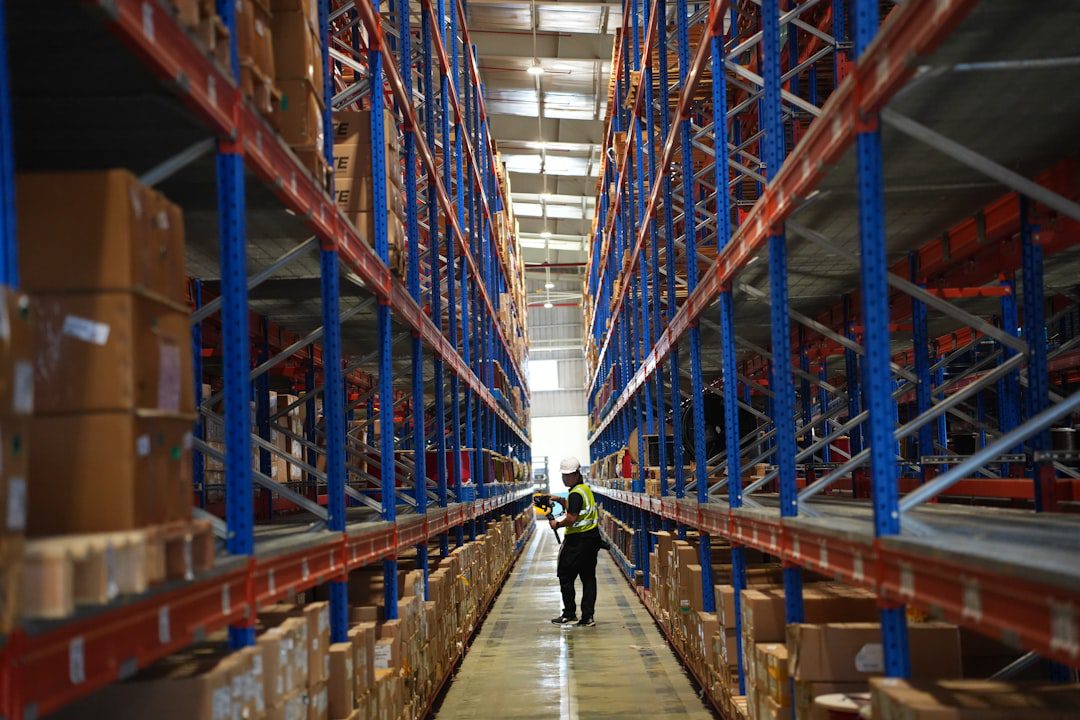
Traditional warehouses often leave the top half of the building empty. Modern facilities fix this by using vertical storage and mezzanine floors to double or even triple storage capacity without expanding the physical footprint. By carefully planning the floor space to minimize movement, we ensure that frequently accessed goods stay within easy reach.
Advanced Automated Storage and Retrieval Systems (AS/RS) take this a step further. Systems like AutoStore use a cube-based grid where robots glide across the top to retrieve bins. This setup can quadruple storage capacity compared to traditional shelving. It eliminates the need for wide aisles, allowing us to pack inventory tighter than ever before.

Automation reduces errors in modern warehouse operations
Human error is the silent killer of warehouse profitability. Manual counting, paper picking lists, and misplaced pallets lead to stock discrepancies that can take weeks to resolve. We use robotic piece picking solutions to handle repetitive tasks with near-perfect accuracy.
When you consider implementing robotic systems for packing and sorting, you aren’t just replacing labor; you are increasing the reliability of your entire brand. Statistics show that warehouses implementing automated picking technology can increase productivity by 30% and reduce order processing time by 25%. This shift allows our human team members to move away from mundane tasks and focus on higher-value activities like quality control and proactive problem-solving.
Scalable designs adapt to ecommerce growth
E-commerce is volatile. One week you are steady; the next, a seasonal peak or a viral marketing campaign sends order volumes through the roof. A rigid warehouse layout will break under that kind of pressure.
Modern warehouses use modular racking and agile processes to scale up or down instantly. This flexibility is a core reason why driving business success often involves exploring the benefits of outsourcing warehouse operations. By partnering with a 3PL that already has the infrastructure for seasonal peaks, brands can grow without the risk of outgrowing their own four walls.
Integrated data systems provide total supply chain visibility
If you don’t know exactly where a SKU is at 2:00 PM on a Tuesday, your operation is at risk. Modern warehouses rely on a sophisticated warehouse management system (WMS) that acts as the brain of the facility.
When a WMS is integrated with an Enterprise Resource Planning (ERP) system, data flows seamlessly between sales, finance, and the warehouse floor. This integration is essential for maintaining the flow of goods in and out of the facility. It provides a single source of truth, so everyone from the CEO to the forklift driver sees the same real-time inventory levels.
Data drives efficiency in modern warehouse operations
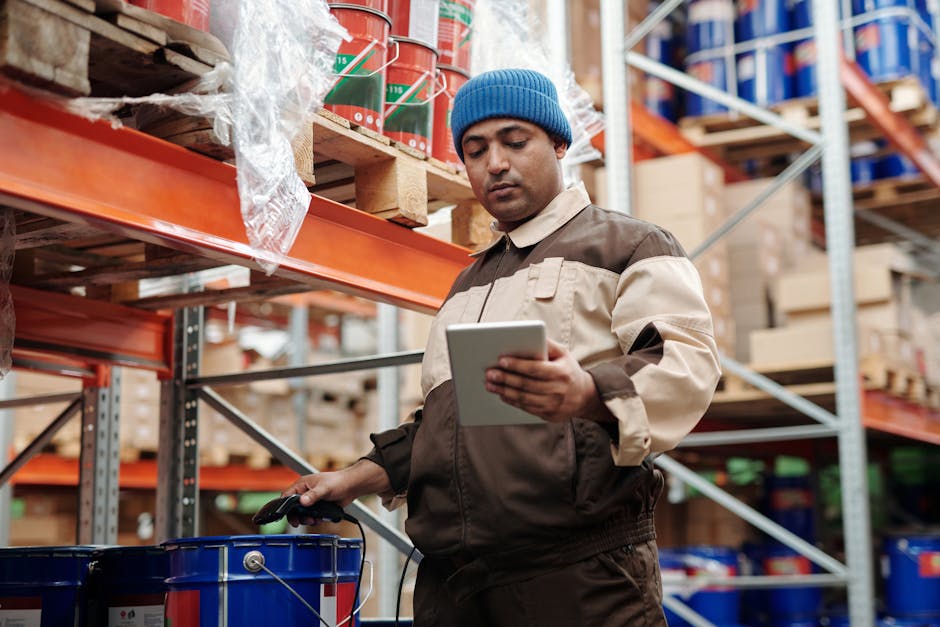
Data isn’t just for looking backward; it’s for predicting the future. We use advanced analytics to perform demand forecasting, which helps us prevent stockouts before they happen. By knowing which items are likely to trend, we can adjust our slotting strategies to keep those products near the shipping docks.
Learning how to implement a data-driven approach to optimize inventory allows us to identify “hidden time” lost to unmeasured work. Most warehouses lose 10 to 20% of their labor hours to indirect tasks that aren’t tracked. By monitoring performance metrics in real time, we can spot bottlenecks and fix them before they delay a shipment.
Regular audits identify hidden bottlenecks
A warehouse is a living organism. Processes that worked six months ago might be slowing you down today. Performing regular audits is the only way to ensure continuous improvement.
These audits go beyond just counting boxes. We assess the entire workflow, from how goods are received to how they are staged for outbound carriers. We look for compliance issues, safety hazards, and areas where technology could further streamline the day-to-day work. It’s a proactive approach that ensures we never settle for “good enough.”
Safety and training build a resilient workforce
Safety is not a box to check; it is the foundation of a high-performing warehouse. A single accident doesn’t just hurt a worker; it stops the entire operation and damages morale. We use ergonomic designs like anti-fatigue mats and adjustable workstations to reduce the physical strain that leads to long-term injuries.
Modern safety also involves high-tech solutions like collision avoidance systems on forklifts and 24/7 surveillance. However, technology is only half the battle. You must maintain awareness and adherence to safety protocols through constant vigilance.
Continuous education empowers the team
The logistics industry moves fast. A worker who was an expert five years ago needs new skills to operate today’s modern warehouse operations. By continuously educating your staff on the latest software and machinery, we build a workforce that is adaptable and confident. Cross-functional training ensures that team members understand how their specific role affects the entire supply chain, which naturally leads to better decision-making on the floor.
Clear communication prevents operational delays
In a 500,000 square foot facility, shouting doesn’t work. We use a well-structured communication process involving handheld devices and centralized digital notice systems.
When a priority order comes in, the team needs to know instantly. Real-time updates prevent “dead heading”, where workers travel through the warehouse without a task, and ensure that everyone stays aligned with the day’s shipping goals. Clear communication is the glue that holds a complex operation together.
Sustainable practices protect the planet and your bottom line
Warehouses account for up to 3% of global greenhouse gas emissions. Beyond the environmental impact, inefficient energy use is a massive drain on profits. A sustainable warehouse isn’t just a PR move; it’s a smarter way to run a business.
Leading companies have already proven that green strategies work. For example, the outdoor retailer Bergfreunde reduced CO2 emissions per package by 30% after installing an AutoStore system. Because their automated system eliminated the need for wide aisles, they only had to light 30% of their facility.
Green technology reduces long-term operating costs
The initial cost of green tech can seem high, but the return on investment is undeniable. Switching to LED lighting with motion sensors can reduce energy consumption by up to 90% compared to traditional bulbs. Solar panels on the vast roof space of an Indianapolis warehouse can offset a significant portion of the building’s power needs. These upgrades reduce their environmental impact while insulating the business from rising energy costs.
Eco-friendly brands win consumer loyalty
Consumers are paying attention. Research shows that 65% of shoppers prioritize eco-friendly brands. By using recyclable packaging and route optimization to reduce delivery miles, we help our clients meet these consumer expectations. Understanding what modern inventory management looks like today means realizing that sustainability and efficiency are now the same thing.
Future trends like micro-fulfillment redefine delivery speed
The “Amazon effect” has made two-day shipping the bare minimum. To keep up, many businesses are moving toward micro fulfilment centres (MFCs). These are smaller, highly automated facilities located closer to urban centers. They allow for rapid last-mile delivery that traditional, distant warehouses just can’t match.
Artificial intelligence optimizes daily decision-making
Artificial Intelligence (AI) is moving from a buzzword to a tool we use every day. AI-driven forecasting can look at thousands of data points to predict order surges with incredible accuracy. We also use machine learning for slotting optimization, where the system automatically suggests the best place to store every item based on its sales velocity and physical dimensions.
Autonomous vehicles streamline material handling
Autonomous Guided Vehicles (AGVs) and drones for inventory checks are becoming common sights in modern warehouse operations. These machines handle the heavy lifting and long-distance travel within the facility, allowing our team to stay in their zones and focus on picking and packing. This reduces fatigue and keeps the warehouse floor safer by minimizing the number of people moving through high-traffic areas.
Frequently Asked Questions about modern warehouse operations
What are the primary benefits of warehouse automation?
The biggest benefits are reduced human error, lower operational costs, and massive gains in productivity. Automation handles the repetitive, boring tasks that lead to burnout and mistakes, allowing the facility to run faster and more accurately.
How do warehouses optimize space utilization?
We use a combination of vertical racking, mezzanine floors, and high-density storage systems like AutoStore. By thinking in three dimensions by using the height of the building, we can store significantly more inventory in the same square footage.
What role does AI play in forecasting?
AI analyzes historical sales data, seasonal trends, and even external factors like weather or social media trends to predict what customers will buy. This allows us to staff correctly and ensure the right products are in the right place before the orders even start coming in.
Strategic partnerships ensure your operations never break under pressure
At Hanzo Logistics, we know that your warehouse is more than just a storage space. It is the heart of your brand’s reputation. Based in the Indianapolis logistics hub, we provide the precision and specialized infrastructure required for high-stakes industries like Automotive, Life Sciences, and Industrial Products.
We replace the traditional lack of visibility with real-time data and a proactive approach to problem-solving. Whether you are scaling an e-commerce brand or managing complex pharmaceutical logistics, our 2 million square feet of space and custom-tailored fulfillment engine are designed to grow with you.
If you are ready to stop worrying about your back-end operations and start focusing on your growth, we’re here to help. Our team provides the strategic expertise and 24/7 availability that ensures your supply chain remains a competitive advantage, not a bottleneck. Explore our fulfillment and distribution services today and see how we can help you keep your world spinning.