
Custom Reefer Trucking Solutions Protect Your Product Integrity
Custom reefer trucking solutions are specialized refrigerated transport services built around your cargo’s exact temperature, handling, and compliance requirements, rather than a one-size-fits-all approach.
Businesses rely on several types of providers for custom reefer trucking.
- Full truckload (FTL) reefer carriers for dedicated, single-commodity hauls
- Multi-temperature reefer specialists for mixed loads requiring different climate zones in one trailer
- 3PL partners with dedicated cold chain divisions for end-to-end supply chain management
- Cross-border reefer operators for U.S., Mexico, and Canada corridors
- Tech-enabled reefer fleets offering real-time IoT monitoring and GPS tracking for compliance-heavy shipments
Not every perishable shipment is the same. A vaccine needs a different environment than a pallet of fresh produce. A frozen seafood haul from Maine to Texas has different demands than a pharmaceutical shipment moving through a GDP-compliant network. Generic reefer trucking treats all of these the same. Custom solutions don’t.
With many active reefer units in the U.S. and fluctuating spot rates on high-demand lanes, choosing the right provider is essential for efficiency. Industries from food and beverage to life sciences depend on precise, documented temperature control from the moment freight leaves the dock to final delivery.
My name is Cole Russell. I grew up around logistics and have spent years helping businesses find the right custom reefer trucking solutions for high-stakes cold chain operations. Below, I’ll walk you through the providers, technologies, and decision points that matter most.
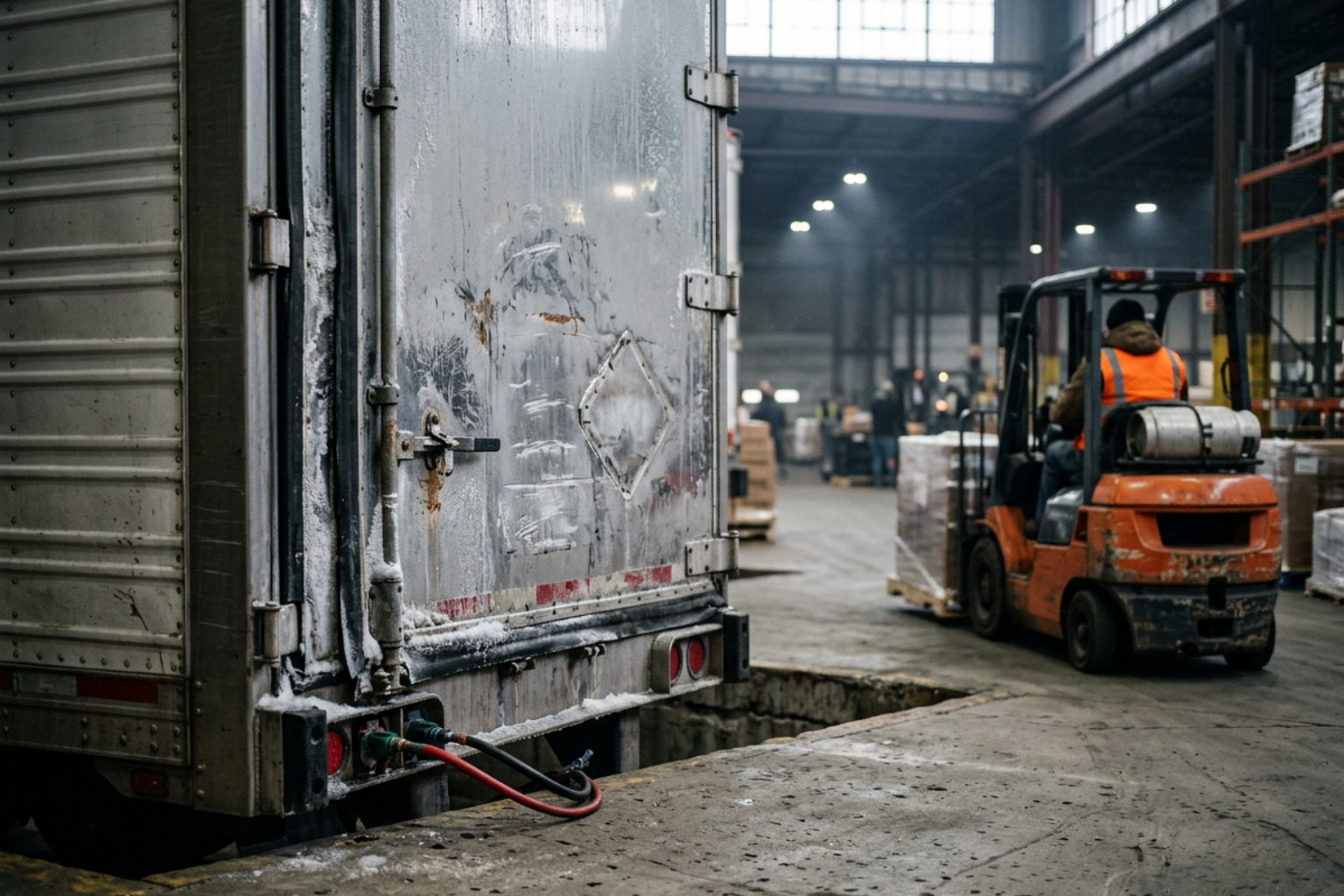
When we talk about custom reefer trucking solutions, we are looking at a system designed to prevent product spoilage before it starts. Standard refrigerated shipping often relies on a driver checking a fuel gauge and a manual temperature display. Custom solutions go much deeper. They integrate the entire Cold Supply Chain Logistics into a single, visible process.
For industries like Life Sciences and Food and Beverage, the stakes are higher than just a lost load. A single temperature excursion can lead to a loss of cargo value and regulatory challenges. These solutions ensure compliance with the Food Safety Modernization Act (FSMA) and Good Distribution Practice (GDP) standards. By using insulated trailers with high performance refrigeration units, these trucks maintain a steady environment whether they are hauling frozen meat at -10°F or fresh dairy at 40°F.
The range of industries that rely on these precision services includes several key sectors.
- Pharmaceuticals for vaccines and biologics that require strict 35°F to 46°F ranges or even cryogenic conditions.
- Food and Beverage for everything from leafy greens out of Yuma to frozen seafood hauls.
- Chemicals for sensitive compounds that degrade if they get too warm or too cold.
- Floral and Cosmetics for high value items that need humidity control to stay retail ready.
Why Businesses Choose Custom Reefer Trucking Solutions
Your brand reputation is tied to the quality of the product that hits the shelf. If a shipment of medicine arrives compromised because a standard carrier didn’t prioritize temperature recovery after a door opening, that is a failure of the supply chain. Custom solutions focus on risk mitigation. They provide the specialized handling and documentation needed to prove the cargo stayed within its “safe zone” every mile of the way. Understanding why cold storage matters in pharmaceutical logistics helps illustrate that the truck is essentially a mobile extension of a high tech warehouse.
When to Implement Custom Reefer Trucking Solutions
You should move toward a custom solution when your cargo is high value or highly sensitive to environmental factors. During seasonal peaks, reefer capacity can get incredibly tight. In certain regions, rejection rates for reefer loads can be high. If you are shipping during a summer heatwave, it is important to choose a reliable carrier. It helps to understand the basics of the infrastructure involved, such as logistics-101-what-is-a-cold-storage-facility-and-how-does-it-work, to see how these mobile units mirror the precision of stationary facilities.
Real-time Monitoring Eliminates Blind Spots in the Supply Chain
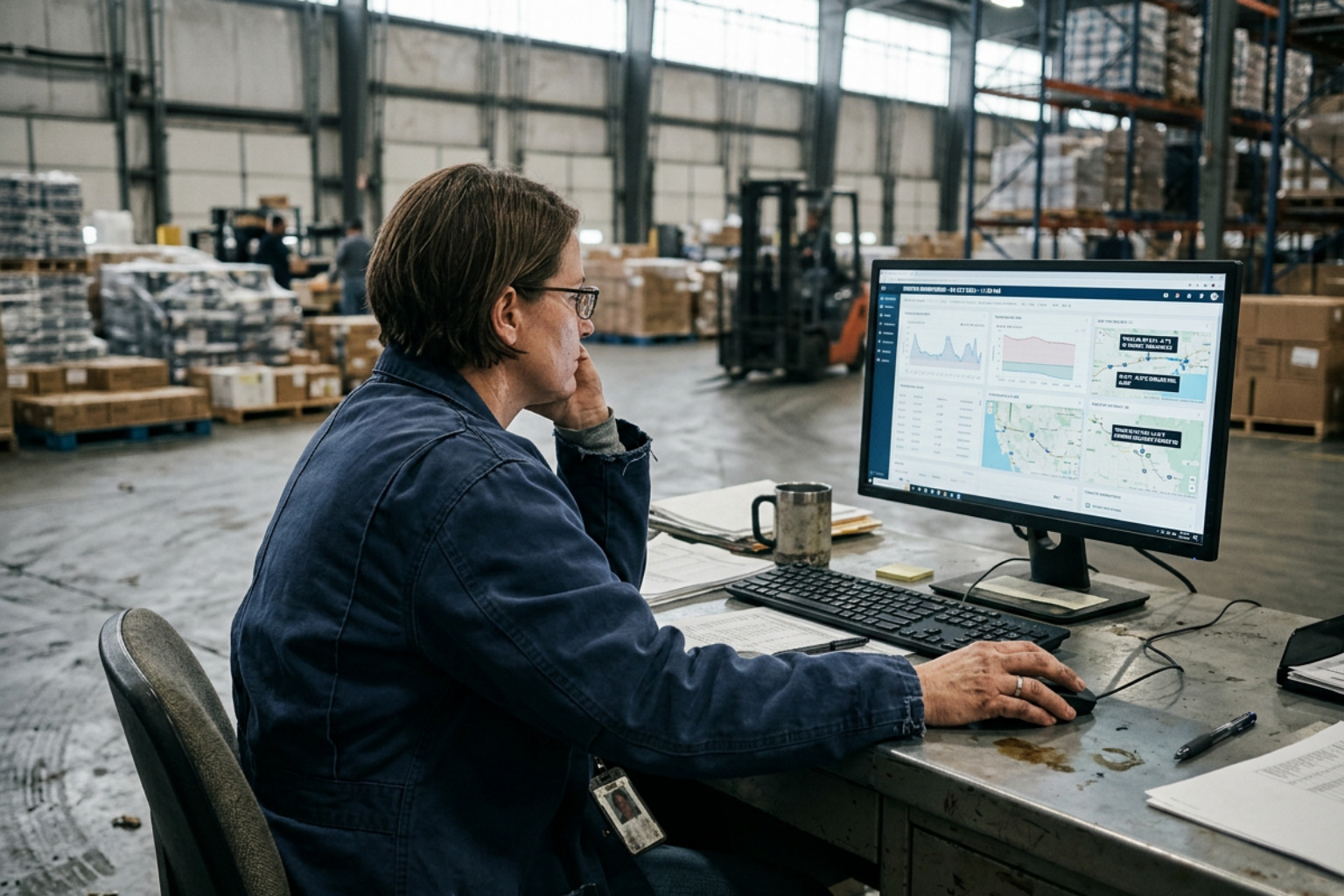
The biggest difference in modern custom reefer trucking solutions is the end of the “black box” period. This is the time between when a truck leaves your dock and when it arrives at the destination. In the past, you just hoped the cooling unit kept running. Today, IoT sensors and GPS tracking provide a constant stream of data.
Smart Reefer technology allows us to monitor temperature, humidity, and even CO2 levels every hour. If a refrigeration unit fails or a door is left open too long, the system triggers an immediate alert. This allows for proactive problem solving. Instead of finding out a load is spoiled upon arrival, a manager can redirect the truck to a nearby cold storage facility or alert the driver to a mechanical issue in real time. This level of transparency is a core part of a-3pls-guide-to-addressing-transportation-challenges-before-they-disrupt-your-business, ensuring that small hiccups do not turn into supply chain disasters.
Multi-Temperature Trailers Maximize Efficiency for Mixed Loads
Efficiency in the cold chain often comes down to how well you can use the space inside a 53 foot trailer. Custom solutions frequently utilize multi-temperature trailers. These units have internal bulkheads that allow us to create different climate zones. You can have frozen seafood at the front of the trailer and fresh produce at the back, all in one trip.
For delicate cargo, air-ride suspension is a must. It uses specialized air bags to absorb road vibration, protecting sensitive electronics or fragile pharmaceutical vials from damage. If you need maximum volume, a high cube reefer provides an extra 30 cm of height. This is a game changer for light but bulky perishable goods.
| Reefer Type | Primary Use Case | Key Feature |
|---|---|---|
| Single-Temperature | Bulk hauls of one product (e.g., frozen chicken) | Consistent, uniform cooling |
| Multi-Temperature | Mixed retail loads or LTL shipments | Adjustable internal bulkheads |
| Air-Ride | Fragile medical supplies or high end electronics | Vibration dampening suspension |
| High Cube | High volume, low weight perishables | 30 cm of additional vertical space |
Strategic Midwest Locations Reduce Transit Times for Sensitive Freight
In temperature controlled logistics, time is your enemy. The longer a product is on the road, the higher the risk of an environmental issue. This is why our base in the Indianapolis logistics hub is so critical. From this central point, we can reach a significant portion of the U.S. population within a single day’s drive.
This geographic advantage simplifies transportation for companies that need to move goods quickly across the country or handle cross-border transport. Whether it is bringing produce up from Mexico or moving pharmaceutical products to the East Coast, being in the “Crossroads of America” reduces the number of hours your product spends in transit. This efficiency is a cornerstone of any robust refrigerated trucking strategy.
Get Clear Answers on Reefer Transport
How Custom Solutions Differ from Standard Freight
Standard freight, like dry van shipping, is essentially a box on wheels. It protects from rain and wind, but not much else. Reefer trucking uses insulated walls and active cooling units powered by diesel or electric motors. Custom solutions take this further by adding layers of technology and specialized handling. While dry van shipping has standard costs, reefer hauls typically require a higher investment due to specialized equipment, higher fuel consumption, and the moisture sensitivity protections required for high stakes cargo.
What Factors Influence the Cost of Reefer Services
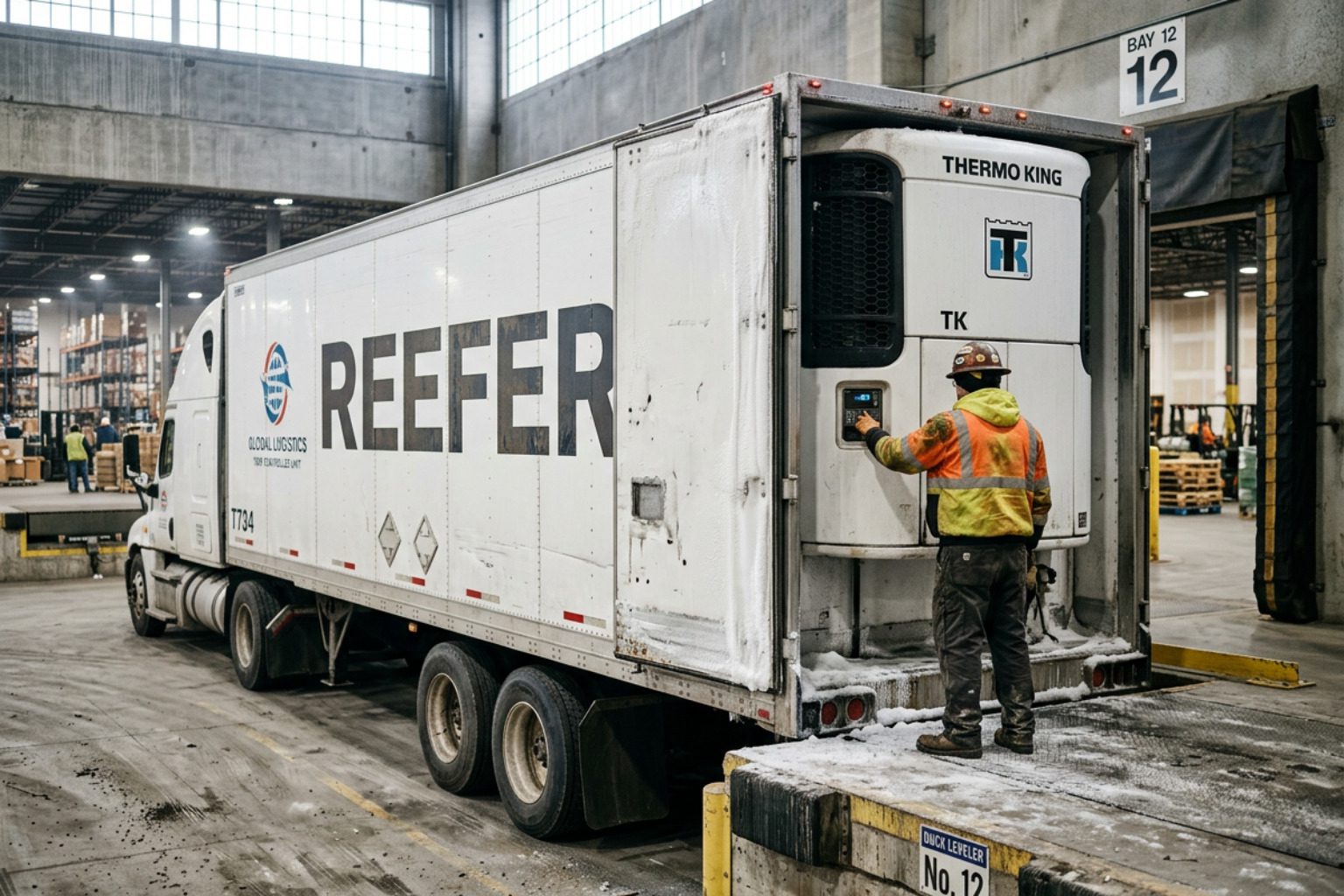
Several variables drive the price of custom reefer trucking solutions. Fuel is the most obvious, as the refrigeration unit (the “reefer”) often runs on its own fuel supply to maintain temperature even when the truck engine is off. Distance and seasonal demand also play huge roles. During peak produce seasons, the demand for refrigerated units spikes, leading to higher rejection rates. If you are shipping on high volume lanes, spot rates can increase significantly. Investing in a custom solution often saves money in the long run by preventing the loss of a shipment due to spoilage.
How Electric Reefers Impact the Future of Shipping
The industry is moving toward more sustainable options. Electric and hybrid refrigeration units are becoming more common, offering significant noise reduction and lower emissions. Some fleets are even testing solar panels on the roof of the trailer to help power the cooling system and IoT sensors. These advancements, combined with increased automation in temperature logging, make it easier for businesses to meet their sustainability goals while maintaining the same level of precision.
Partner with Experts to Scale Your Cold Chain
At Hanzo Logistics, we understand that precision is non-negotiable. We offer 2 million square feet of specialized infrastructure and a custom-tailored fulfillment engine designed to protect your brand. Whether you are an ecommerce brand scaling up or a pharmaceutical leader managing a complex rollout, we provide the 24/7 availability and real-time data you need.
Our team doesn’t just move boxes; we provide the strategic expertise to ensure your cold chain remains consistent. From our Indianapolis hub, we handle the high-stakes challenges of the Automotive, Life Sciences, and Industrial sectors with absolute clarity. More info about cold storage can help you see how we integrate our warehouse capabilities with our transport solutions to keep your products safe.