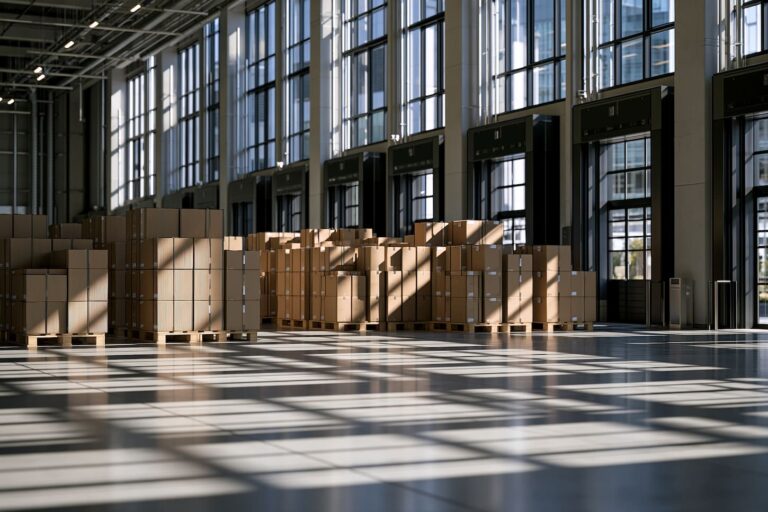

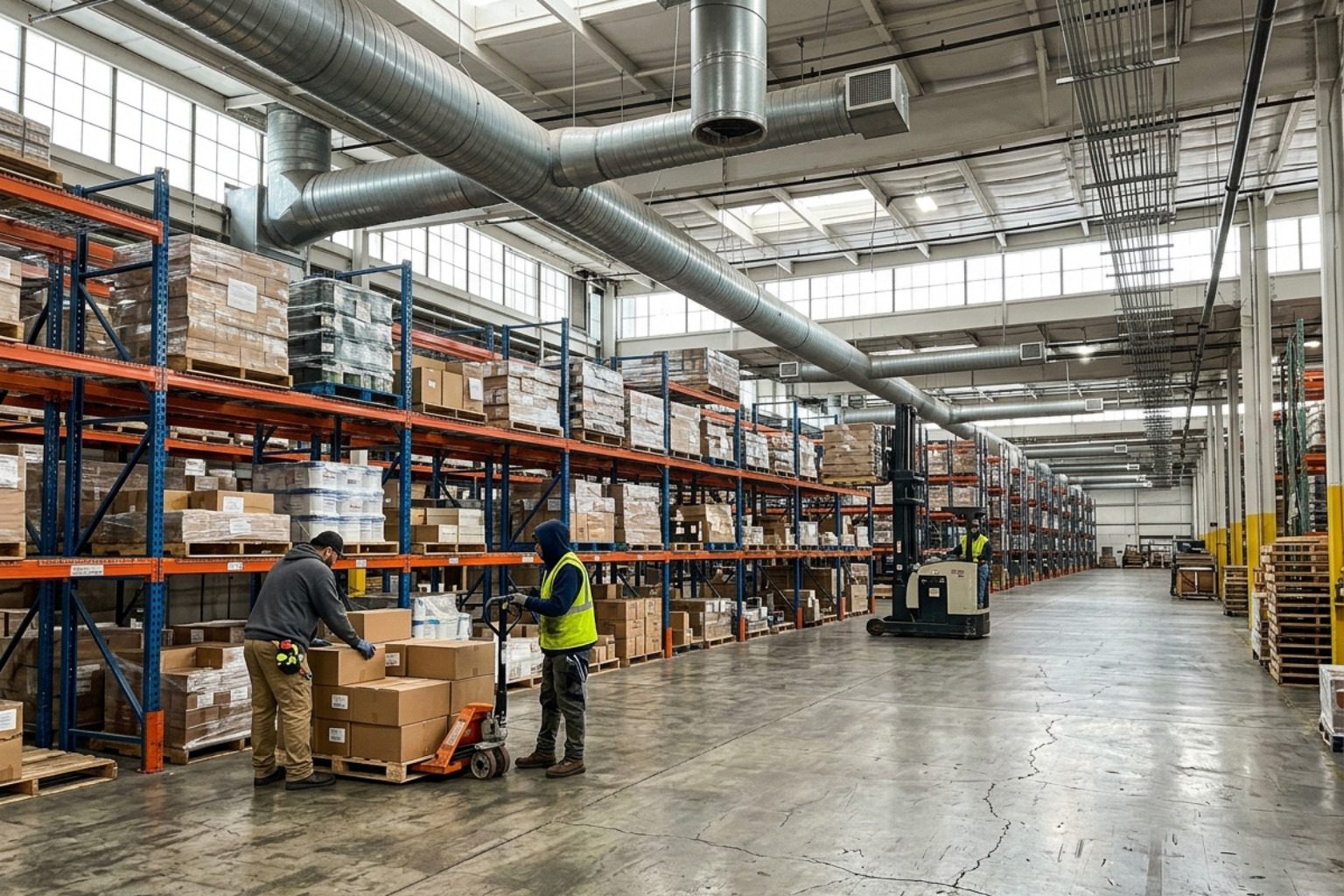
Controlled environment storage protects high value inventory from invisible degradation
Controlled environment storage is the practice of maintaining precise temperature, humidity, and atmospheric conditions inside a storage facility to protect goods from degradation.
Here is a quick breakdown of what it means and when you need it:
| Storage Type | Temperature Range | Humidity Control | Best For |
|---|---|---|---|
| Ambient | 60-80°F | Basic | Non-perishables, dry goods, apparel |
| Climate-Controlled | 55-80°F | 30-50% | Electronics, furniture, pharmaceuticals, documents |
| Cold / Frozen | -10°F to 35°F | Varies | Perishables, food, certain pharmaceuticals |
The core idea is simple. When temperature or humidity swings outside of a safe range, products degrade. Wood warps. Electronics corrode. Pharmaceuticals lose potency. Research shows that temperature fluctuations of more than 20 degrees within a 24-hour period can accelerate material degradation by 3 to 5 times compared to a stable environment. That is not a storage inconvenience. That is inventory loss.
Controlled environment storage solves this by using HVAC systems, dehumidifiers, and air filtration to keep conditions stable regardless of what is happening outside. It applies to commercial warehousing, food logistics, and industrial supply chains alike.
My name is Cole Russell, and I grew up in the logistics industry before spending the last five years helping businesses protect their inventory through smarter supply chain decisions, including controlled environment storage. In the sections below, I will walk you through exactly how these systems work, what your products actually need, and how to make sure your storage strategy matches the science.
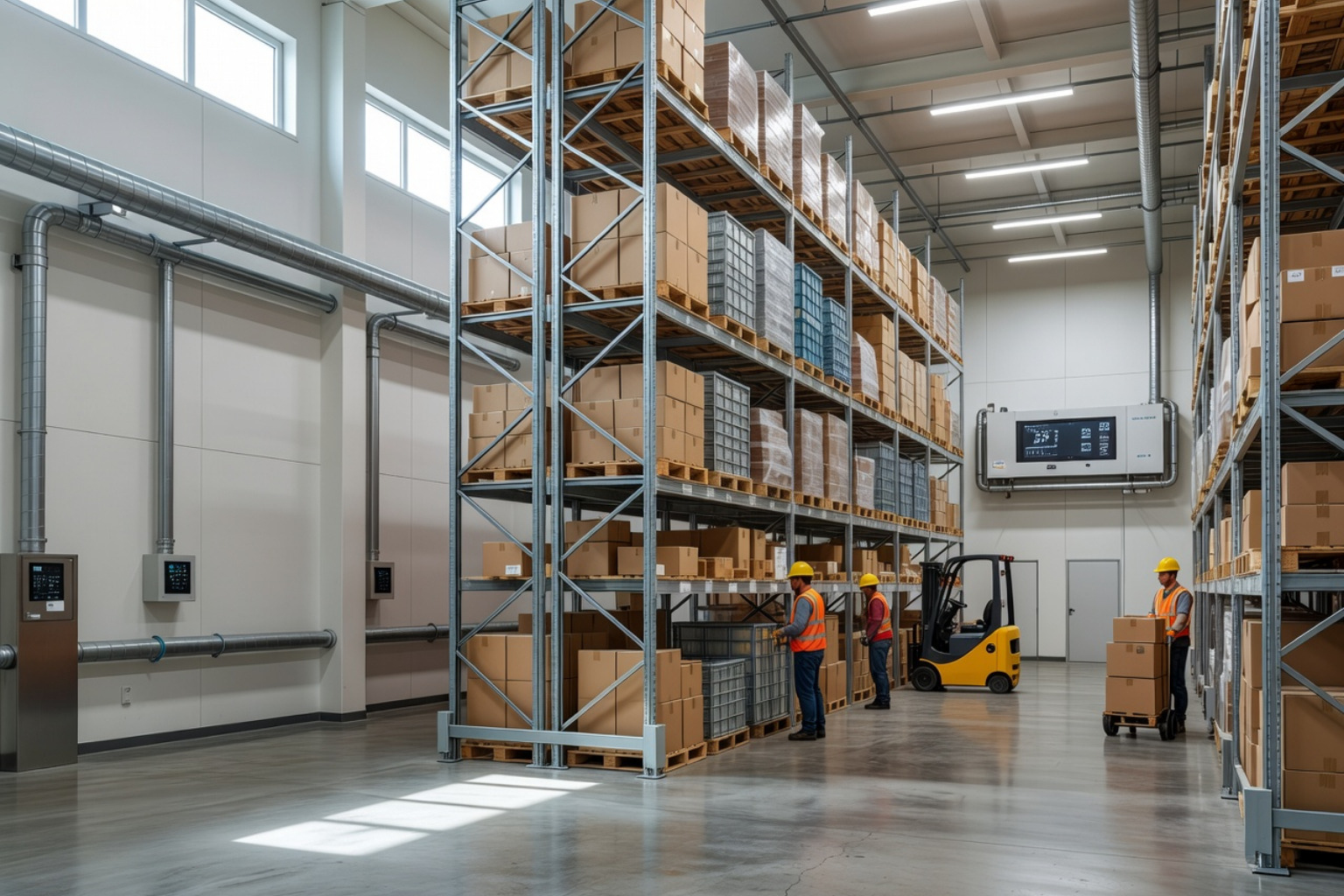
When we talk about high value inventory, we are not just talking about the price tag. We are talking about the chemical and physical integrity of the product. In a standard warehouse without environmental regulation, your goods are at the mercy of the local weather. In Indianapolis, that means dealing with summer humidity and freezing winter dry spells.
Invisible degradation happens when the environment around a product changes constantly. For example, wood furniture and musical instruments are hygroscopic. They absorb and release moisture based on the air around them. If the humidity spikes, the wood expands. If it drops, the wood contracts. Over time, this cycle loosens joints, cracks finishes, and ruins the structural integrity of the item. This is why improper storage causes an estimated $340 million in musical instrument damage every year in the United States.
It is not just about physical warping. Many products face chemical changes. Pharmaceutical compounds can break down if they get too warm, rendering them useless or even dangerous. Statistics show that 1 in 12 standard unit renters files a climate-related damage claim within two years. By choosing a controlled environment storage solution, we eliminate these risks by creating a “sealed” environment. These facilities experience significantly fewer pest-related damage claims because the tight seals required for climate control also keep out rodents and insects.
Precision systems maintain the chemical stability of your products
To maintain a stable environment, we use a combination of heavy duty HVAC units, industrial dehumidifiers, and advanced air filtration. These systems work together to ensure that the air inside the facility stays within a pre-set range, usually between 55 and 80 degrees Fahrenheit.
In more specialized settings, we look at Controlled atmosphere technology. This goes beyond just temperature. It involves regulating the actual gases in the air, such as oxygen, carbon dioxide, and nitrogen. This is a common practice in the agricultural sector to extend the shelf life of fruits and vegetables. By reducing oxygen levels to around 1.5 to 2 percent and increasing carbon dioxide, we can slow down the natural “breathing” or respiration of the produce. According to Controlled-atmosphere storage | agriculture | Britannica, some horticultural products can be kept fresh for as long as a year using these methods.
While most commercial businesses do not need to adjust nitrogen levels, they absolutely need to manage moisture. High humidity leads to mold and mildew, while low humidity can cause brittle materials to snap. Our systems monitor these levels 24/7 to ensure they stay within the 30 to 50 percent range, which is considered the “sweet spot” for most industrial and consumer goods.
How controlled environment storage regulates gas and moisture
The way we keep air moving is just as important as the temperature itself. Stagnant air allows moisture to settle, which is an invitation for mold. We use continuous air circulation to ensure there are no “hot spots” or “cold pockets” in the warehouse.
During the summer, our focus shifts to heat mitigation. You can read more about how-your-storage-keeps-it-cool-during-summer-heatwaves/ to see how we handle extreme outdoor spikes. In a standard drive-up unit, the temperature can easily exceed the outdoor temperature by 30 degrees. In a controlled facility, the HVAC system works as a barrier, neutralizing the external heat before it ever reaches your pallets.
For certain dry commodities like grains or legumes, adjusting the atmosphere is also a form of pest control. Most insects cannot survive in an environment where carbon dioxide is higher than 30 percent. This allows us to protect inventory without relying heavily on chemical pesticides, which is a major win for safety and compliance.
Specific material requirements dictate your storage strategy
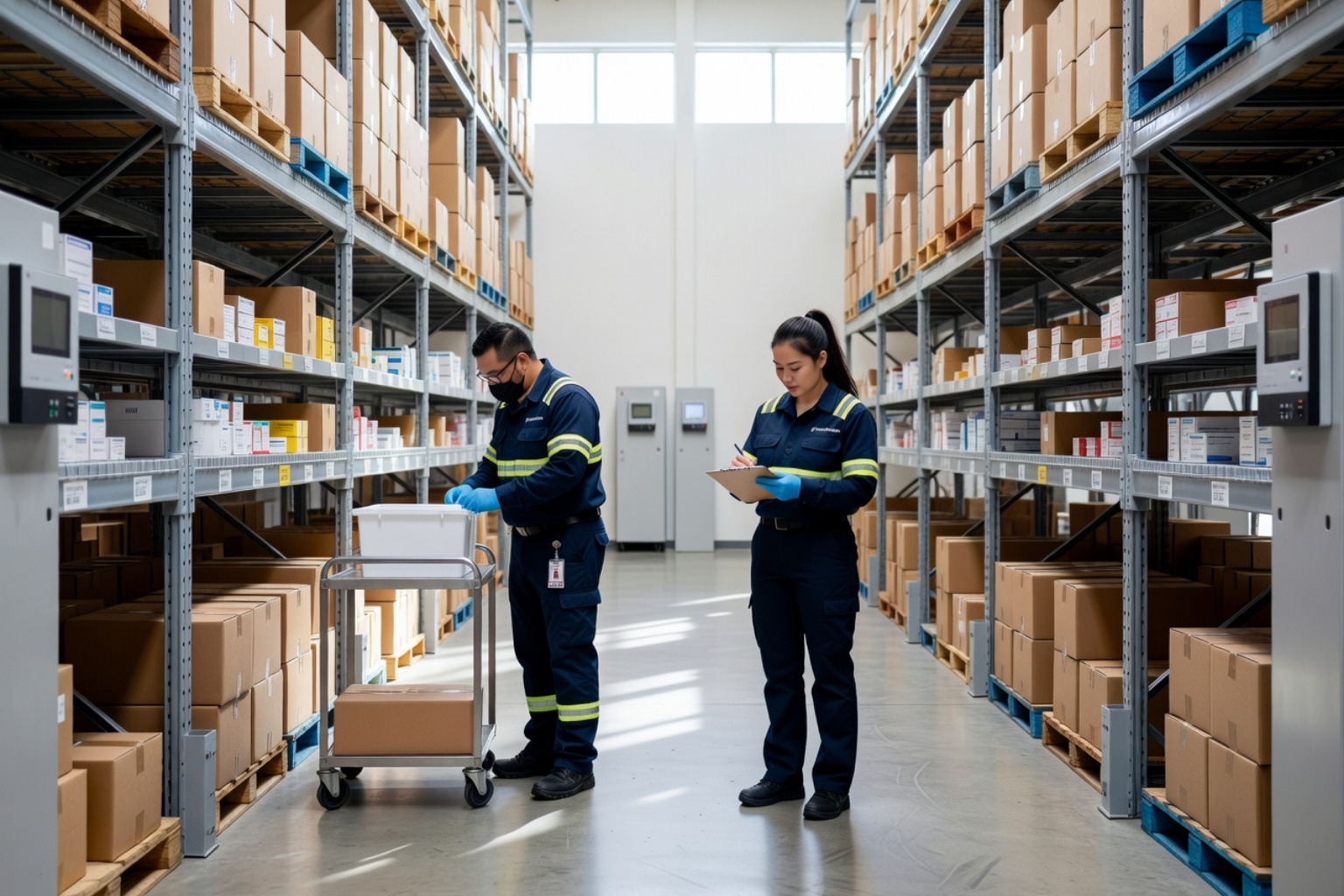
Not every product needs the same level of care. If you are storing gravel or plastic patio furniture, a standard unit is fine. But for precision industries like Life Sciences or Automotive, the requirements are strict.
Electronics are particularly sensitive. High heat can cause capacitors to degrade, and extreme cold can cause LCD screens to crack. Even more dangerous is the “dew point.” When cold electronics are moved into a warm, humid room, condensation forms on the internal circuits. This leads to rust and short circuits.
Pharmaceuticals have even less room for error. Many life-saving medications must be kept within a narrow temperature band to remain effective. This is one reason why-cold-storage-matters-in-pharmaceutical-logistics/ is a top priority for our team. If a vaccine or a biological sample freezes or overheats, it is a total loss.
The risks of skipping controlled environment storage for industrial parts
In the industrial sector, metal parts are a major concern. If you store high precision automotive components in a non-climate-controlled space, you are gambling with oxidation. Rust does not need a flood to start; it only needs humidity. Once corrosion begins on a micro-texture level, the part may no longer meet the tight tolerances required for assembly.
Warping is another issue for composite materials and high end plastics used in manufacturing. If these materials sit in a warehouse that hits 100 degrees in July, they can lose their shape. When they finally reach the assembly line, they will not fit. This leads to production delays and wasted capital.
| Storage Category | Temperature | Humidity | Typical Items |
|---|---|---|---|
| Ambient | 60°F to 80°F | Natural | Canned goods, paper, textiles |
| Climate-Controlled | 55°F to 80°F | 30% to 50% | Electronics, wood, pharma |
| Cold Storage | 32°F to 40°F | High | Fresh produce, dairy, meats |
| Frozen Storage | -10°F to 0°F | Controlled | Frozen food, biological samples |
Proper preparation ensures inventory remains shelf ready
Even the best controlled environment storage facility cannot fix poor preparation. Before inventory arrives at our facility, it needs to be ready for its stay. This starts with a clean slate. We recommend that all items be cleaned and vacuumed before storage. Dust and organic matter can hold onto moisture, which creates a breeding ground for musty smells, even in a climate-controlled room.
For long term storage, moisture barriers are your best friend. While the facility controls the air, wrapping sensitive items in high quality plastic or using sealed containers provides a second layer of defense. For large furniture, we suggest disassembling pieces to reduce stress on joints and wrapping them in moving blankets to prevent scratches.
Best practices for loading and airflow
How you place your items in the warehouse matters. We strictly follow the rule of off-floor storage. Using pallets is not just for ease of movement; it is for airflow. Keeping inventory off the concrete floor prevents “wicking,” where moisture from the ground can seep into cardboard boxes.
In a professional 3PL environment, we also prioritize managing-the-strict-standards-for-food-grade-products/. This includes maintaining clear aisles and ensuring that nothing is pushed directly against the walls. Proper spacing allows the HVAC system to circulate air evenly around every pallet. We also use a First-In, First-Out (FIFO) rotation strategy. This ensures that inventory does not sit in one spot for years, which further reduces the risk of any environmental impact.
Common questions about environmental regulation in logistics
We hear a lot of questions from business owners trying to decide if climate control is necessary for their inventory. Usually, the answer comes down to the sensitivity of the items and the length of time they will be stored. If you are storing items for more than 90 days, the protection offered by a controlled environment is a strategic choice for inventory preservation.
What is the standard temperature range for climate units
The industry standard for climate-controlled units is between 55 and 80 degrees Fahrenheit. This range is designed to mimic the conditions inside a typical home or office. By keeping the temperature within this band, we prevent the extreme expansion and contraction that destroys materials. It is important to note that “climate-controlled” is different from “heated” or “air-cooled” storage. A heated unit only protects against freezing, and an air-cooled unit only fights heat. A true controlled environment storage facility manages both ends of the spectrum year-round.
How does humidity affect electronic components
Humidity is the silent killer of electronics. When humidity is too high (above 60 percent), it causes oxidation on copper traces and solder joints. This leads to “phantom” failures where a device looks fine but won’t turn on. On the flip side, if humidity is too low (below 30 percent), the air becomes too dry. This increases the risk of electrostatic discharge (ESD). A simple spark from a person touching a circuit board can fry a microprocessor. By keeping the humidity between 30 and 50 percent, we keep the air stable enough to prevent both rust and static.
Is climate control necessary in the Midwest
In Indiana, the answer is a resounding yes. Our region experiences some of the most dramatic seasonal shifts in the country. It is not uncommon to have a 40-degree temperature swing in a single week during the spring or fall. As we mentioned earlier, any fluctuation of more than 20 degrees in 24 hours is a major threat to material stability. Without climate control, a warehouse in Indianapolis acts like a giant oven in the summer and a commercial freezer in the winter. For any business with sensitive inventory, the Midwest climate makes environmental regulation a necessity, not an option.
Secure your brand reputation with a strategic logistics partner
At Hanzo Logistics, we understand that your inventory represents your brand. If a customer receives a warped product or a pharmaceutical shipment that has been compromised, it is your reputation on the line. That is why we operate as a strategic 3PL partner based right here in the Indianapolis logistics hub.
We solve high-stakes supply chain challenges for industries where precision is non-negotiable. Whether you are in Automotive, Life Sciences, or Industrial Products, we provide the specialized infrastructure you need. With 2 million square feet of space and a custom-tailored fulfillment engine, we protect our clients through every seasonal peak and regulatory audit.
Our approach is built on transparency. We replace the traditional lack of visibility with real-time data and proactive problem-solving. We don’t just move boxes; we provide the strategic expertise that allows scaling ecommerce brands and pharmaceutical leaders to grow without their operations breaking under the pressure.
If you are ready to stop worrying about your inventory and start focusing on your growth, we are here to help. You can find More info about cold storage services on our site, or reach out to us to discuss how our controlled environment storage solutions can fit your specific needs. We are available 24/7 to ensure your supply chain never misses a beat.