
Your Products Demand Flawless Cold Chain Logistics
Temperature controlled warehousing is a specialized storage system that keeps products within exact temperature and humidity ranges to prevent spoilage, degradation, or regulatory failure.
Here is a quick breakdown of what it covers:
| Storage Type | Temperature Range | Common Products |
|---|---|---|
| Ambient | 59°F – 86°F (15-25°C) | Dry goods, some electronics |
| Chilled | 32°F – 50°F (2-8°C) | Fresh produce, dairy, some pharma |
| Frozen | -13°F – 32°F (-25 to 0°C) | Meat, seafood, ice cream |
| Ultra-Low | Below -176°F (-115°C) | Biologics, certain vaccines |
The stakes are high. The global cold chain logistics market is projected to grow from $324.85 billion in 2024 to $862.33 billion by 2032. That growth is being driven by real pressure: over 1.6 billion tons of food are lost or wasted every year, and pharmaceutical cold chain failures alone cost the industry $35 billion annually.
Consumers ordering online expect their products to arrive in perfect condition. A bag of melted gummies or a degraded probiotic supplement is not just a refund. It is a one-star review and a lost customer.
The supply chain can no longer treat temperature control as an afterthought. It is the foundation.
I am Cole Russell, and I grew up around the logistics industry before spending the last five years helping businesses build supply chains they can actually trust, including temperature controlled warehousing operations where a single degree of deviation can mean a total loss. If you are trying to understand how cold chain logistics works and what it takes to get it right, this guide will give you straight answers.
The world is moving faster than ever. People want frozen meals, fresh organic produce, and life-saving medications delivered to their doorstep in hours. This shift in how we buy things has put an incredible amount of stress on the buildings that store our stuff. According to Allied Market Research on cold chain growth, the market is exploding because we are all buying more frozen and chilled goods than our parents ever did.
But here is the problem. Much of the infrastructure in the United States is old. Around 70% of cold storage warehouses are more than 20 years old. These older buildings struggle to keep up with modern energy standards and the precise needs of today’s products. When a warehouse fails to keep its cool, the results are devastating. We are talking about 13% of global food production being lost or wasted every single year. That is 1.6 billion tons of food that never makes it to a dinner table.
It is not just about food. The pharmaceutical industry loses $35 billion a year because of cold chain failures. Think about that for a second. That is money that could be going into research or making medicine more affordable. Instead, it is being thrown away because a pallet sat on a hot dock for too long or a refrigeration unit failed in the middle of the night.
In Indianapolis, we see these challenges every day. We are at the center of the country’s logistics network. If the cold chain breaks here, it ripples across the entire nation. That is why we focus so heavily on the “flawless” part of the logistics chain. There is no room for “close enough” when you are dealing with a vaccine that becomes useless if it warms up by five degrees.
Precision Temperature Zones Protect Every Product
Not every product needs the same level of cold. Storing everything in a giant freezer would be a waste of money and energy. Instead, we use specific zones to make sure every item is in its ideal environment. More info about cold storage shows that modern facilities are designed like a puzzle, with different rooms holding different temperatures.
Ambient storage is the baseline. It usually stays between 59°F and 86°F. This is for products that just need to stay out of the extreme heat of an Indiana summer. Think about dry pasta, certain canned goods, or electronics that might warp if they get too hot.
Chilled or refrigerated environments are where things get more technical. These rooms stay between 32°F and 50°F. This is the sweet spot for fresh produce, dairy, and many floral products. If you have ever wondered why grocery store strawberries look perfect, it is because they have lived in this temperature range since the moment they were picked.
Frozen storage is exactly what it sounds like. We keep these areas between -13°F and 32°F. This stops bacterial growth and preserves the texture of meat, seafood, and frozen desserts. Some specialized facilities even offer ultra-low storage for biologics that need to stay at temperatures colder than a winter night in the Arctic.
Precise Temperatures Maintain Product Integrity
Temperature is only half the battle. Humidity and air quality matter just as much. If the air is too dry, produce shrivels. If it is too humid, mold starts to grow, and cardboard boxes lose their strength and collapse. We monitor these levels 24/7 because we know that product integrity is about more than just not melting.
Chemical stability is another big factor. Many industrial products and cosmetics are sensitive to heat. If a high-end skin cream gets too warm, the ingredients can separate, making the product useless before the customer even opens the jar. By maintaining a steady environment, we extend the shelf life of these items and protect the brand’s reputation. You can read more about how storage keeps cool during heatwaves to see how we handle the most extreme weather.
Pharma Products Demand Specialized Cold Storage
The life sciences industry is where the stakes are highest. We are not just talking about spoiled milk here. We are talking about vaccines and biologics that people rely on for their health. Nearly 50% of vaccines are wasted every year globally due to poor temperature management. That is a staggering number.
To prevent this, we follow strict Good Distribution Practice (GDP) standards. This means every pallet has a paper trail (or a digital one). We track exactly where it was and what the temperature was every minute it was in our care. If an auditor walks in and asks for the temperature logs from three months ago at 2:00 AM, we can show them. This level of detail is why cold storage matters in pharma so much. It is about safety and trust.
Climate Precision Ensures Regulatory Compliance
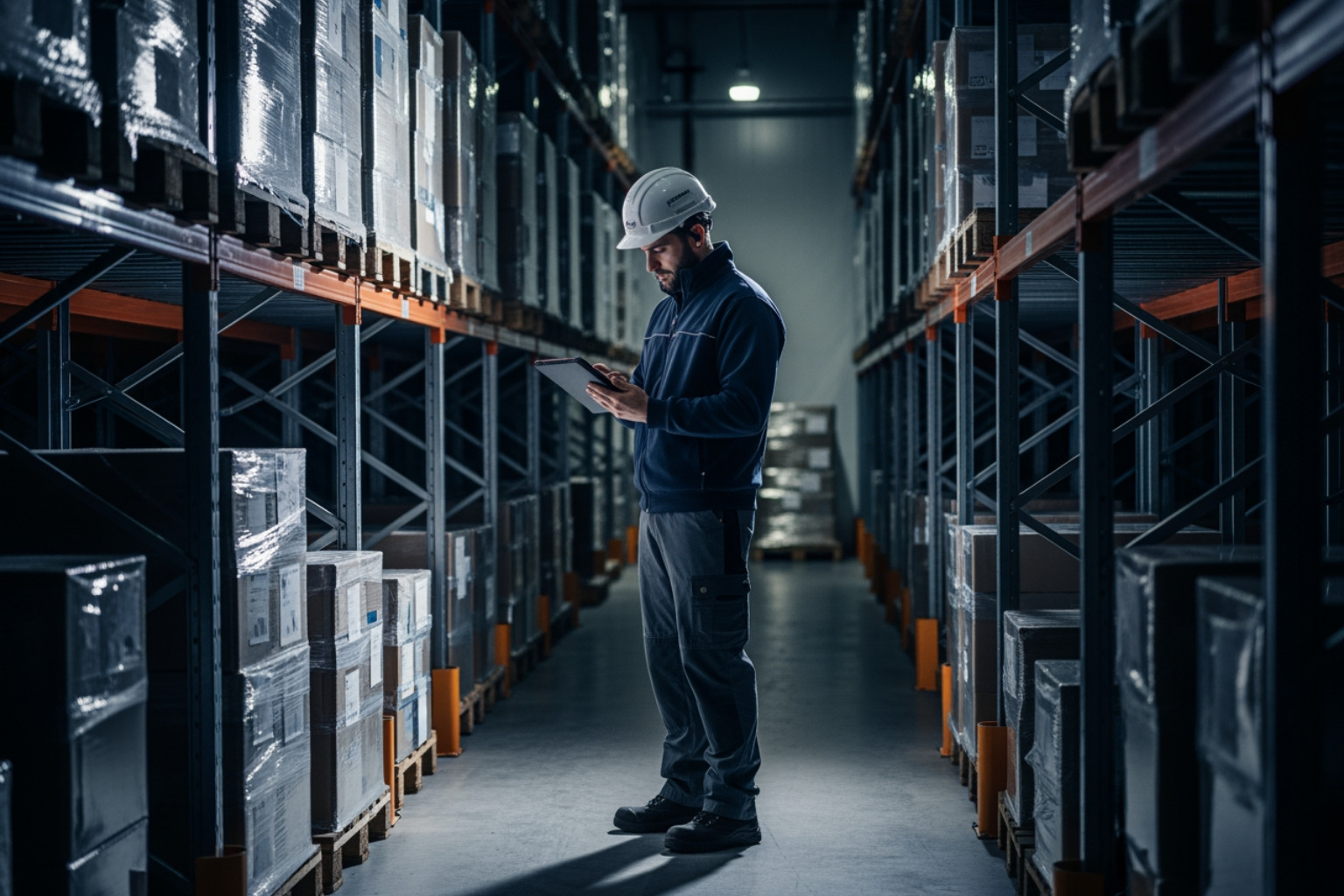
Operating a temperature controlled warehousing facility is not just about turning on the AC. It is about meeting a mountain of regulations. The FDA and USDA have very specific rules about how food and medicine must be handled. If you fail an audit, you do not just get a fine. You could lose your ability to do business entirely.
We focus on several key certifications to ensure we are always ready for an inspection. SQF (Safe Quality Food) certification is a big one. It is not just a badge on the wall. It is a commitment to a rigorous system of food safety and quality. It involves independent audits that look at everything from how we clean the floors to how we train our staff on cross-contamination.
GMP (Good Manufacturing Practices) protocols are also essential. These rules ensure that products are consistently produced and controlled according to quality standards. For us, that means maintaining a clean, secure environment where nothing is left to chance. Managing these strict food-grade standards is a full-time job, but it is the only way to ensure the products leaving our facility are safe for the public.
Smart Technology Prevents Costly Cold Chain Breaks
The old way of checking temperatures involved a guy with a clipboard walking around once a day. That does not work anymore. Today, we use IoT (Internet of Things) sensors that live inside the storage racks. These sensors talk to our computers every few seconds. If a door is left open too long or a cooling unit starts to struggle, the system sends an instant alert to our team.
This real-time monitoring is our first line of defense. We do not wait for a problem to happen. We use data analytics to see trends. If we notice that one corner of a room is staying two degrees warmer than the rest, we can fix the airflow before it ever affects the product.
Backup power is another non-negotiable. Indiana weather can be unpredictable. When the power goes out, our generators kick in immediately. We also build redundancy into our cooling systems. If one compressor fails, another one is already running to pick up the slack. We treat every pallet like it is the most valuable thing in the building because, to our clients, it is.
Strategic Infrastructure and Location Drive Efficiency
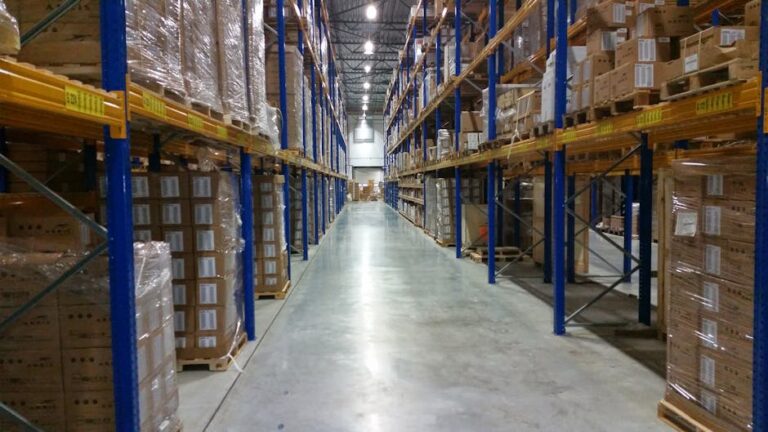
Efficiency in temperature controlled warehousing is all about moving products as little as possible. Every time a door opens, cold air escapes and warm air rushes in. This is why we use high-density racking systems. By packing products closer together, we reduce the amount of air we have to cool. It is better for the environment and better for the bottom line.
Our location in Indianapolis is a massive advantage. We are known as the Crossroads of America for a reason. From our hub, we can reach a huge portion of the U.S. population in a day’s drive. This reduces the time products spend on the road, which is the most vulnerable part of the cold chain.
We also use advanced systems like AS/RS (Automated Storage and Retrieval Systems). These robots can move pallets in and out of deep storage without needing a human to drive a forklift into a freezing room. This keeps our workers safer and keeps the temperature more stable because we do not have to open large doors as often.
Get Clear Answers on Temperature Controlled Warehousing
Temperature Controlled Storage Is Not Standard Storage
A lot of people think a cold warehouse is just a regular warehouse with a big refrigerator inside. That is not even close. A real temperature controlled warehousing facility is built from the ground up for this purpose.
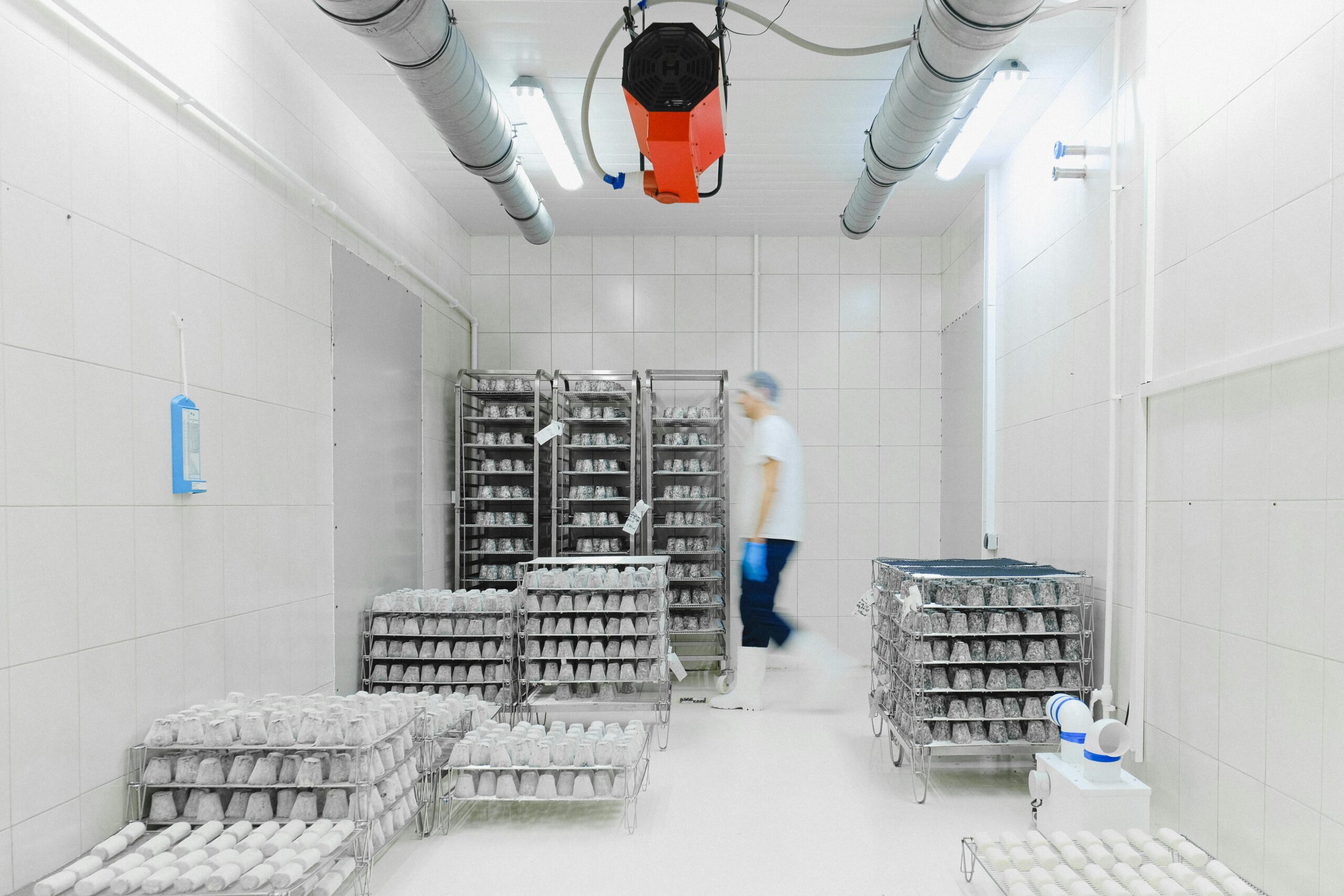
The walls are made of specialized “sandwich panels” that are thick with insulation. We use airlock systems at the loading docks to prevent outside air from getting in. Even the floors are different. In freezer sections, we have to heat the ground underneath the concrete to prevent the soil from freezing and cracking the foundation. This is why the logistics 101 on cold storage is so important for businesses to understand. The infrastructure is much more complex and expensive to maintain than a standard “dry” warehouse.
Cold Chain Logistics Presents Unique Challenges
The biggest challenge we face is energy. Refrigeration accounts for about 60% of the electricity used in a cold warehouse. As energy prices fluctuate, we have to find ways to be more efficient. This is why we invest in LED lighting, which produces less heat, and rapid-close doors that minimize air exchange.
Maintenance is another constant battle. Cold environments are hard on equipment. Metal gets brittle, and oils can thicken. We have a dedicated team that does nothing but preventive maintenance on our cooling units and material handling equipment. We would rather fix a small part today than deal with a broken system tomorrow.
Sensors Prevent Product Spoilage and Loss
We mentioned sensors earlier, but it is worth repeating how important they are for a “chain of custody.” When a client asks for proof that their product stayed cold, we can give them a digital report showing the temperature from the moment it arrived until the moment it left.
This level of tracking prevents spoilage and protects everyone involved. If a product arrives at a retail store damaged, we can look at the data to see if the issue happened in our warehouse or during transportation. It provides total clarity and takes the guesswork out of logistics.
Choosing a Partner to Protect Your Brand Reputation
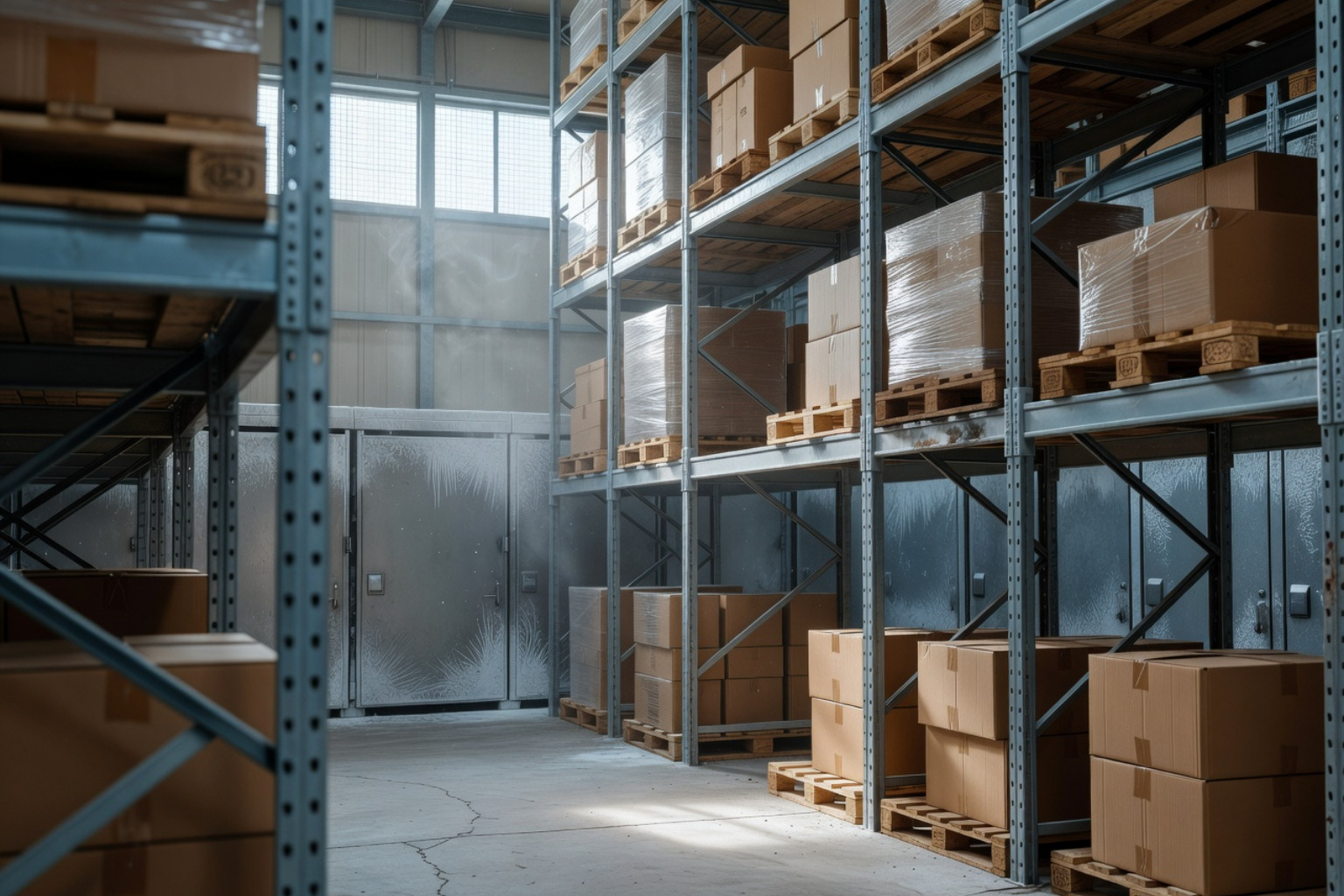
At the end of the day, your choice of a logistics partner is about protecting your brand. If a customer buys your product and it is spoiled, they do not blame the warehouse. They blame you.
We take that responsibility seriously. At Hanzo Logistics, we act as a strategic 3PL partner that understands the high stakes of industries like Life Sciences and Automotive. We provide 2 million square feet of specialized infrastructure right here in the Indianapolis hub. We do not just move boxes. We provide the expertise and the 24/7 availability that allows you to grow your business without worrying about your operations breaking under the pressure.
We replace the traditional lack of visibility with real-time data. You should always know exactly where your inventory is and what condition it is in. Whether you are a scaling e-commerce brand or a pharmaceutical leader, we have the systems in place to handle your seasonal peaks and your most difficult regulatory audits.
If you are ready to stop worrying about your cold chain and start focusing on your growth, we are here to help. Partner with Hanzo Logistics for cold storage and let us show you how a precision-built supply chain can protect your reputation and your bottom line.