
Mastering the Flow of Goods Back to the Source
Reverse logistics is the process of moving products from the customer back to the seller, manufacturer, or distributor to recover value or dispose of them properly. This includes returns, repairs, refurbishment, recycling, and disposal.
Here’s what reverse logistics covers at a glance:
- Returns management – processing products sent back by customers
- Remanufacturing and refurbishment – restoring returned items for resale
- Recycling and disposal – responsibly handling end-of-life products
- Unsold goods – redirecting excess inventory back up the supply chain
- Packaging recovery – recapturing reusable materials like pallets and containers
- Rental and lease returns – inspecting and redeploying returned equipment
In short, forward logistics moves goods to the customer. Reverse logistics handles everything that comes back.
The scale of this is hard to ignore. Worldwide returns hit $1.8 trillion in 2022, more than doubling in under a decade. In the U.S. alone, e-commerce return rates average around 17-20%, compared to roughly 10% for brick-and-mortar purchases. And return costs can eat up as much as 7% of a company’s gross sales.
That is not a rounding error. It is a line item that demands a real strategy.
I’m Cole Russell, and I grew up around the logistics industry before spending the last five years helping brands build smarter, more transparent supply chains. In that time, reverse logistics has gone from an afterthought to one of the most critical pressure points I help clients solve. This guide breaks down exactly how it works and what you can do to get it right.
At its core, what is reverse logistics is about capturing value that most companies simply write off as a loss. It is the upstream movement of goods that allows for better asset management and a longer product lifecycle. When an item leaves a customer’s hands, it doesn’t have to be the end of the road. By treating these items as assets rather than trash, we can implement smart value recovery programs that protect your bottom line.
How reverse logistics differs from traditional supply chains
Traditional logistics is a straight line. You start with raw materials, move to manufacturing, hit the distribution center, and end at the customer’s doorstep. It is predictable and focused on speed and volume. Reverse logistics is the opposite. It is often messy, unpredictable, and requires a completely different set of infrastructure and skills to manage effectively.
In the forward flow, we know exactly what is in every box. In the reverse flow, we often don’t know the condition of the item until it is opened at the dock. This lack of visibility is why so many supply chains break when returns start piling up.
| Feature | Forward Logistics | Reverse Logistics |
|---|---|---|
| Flow Direction | Point of origin to consumer | Consumer back to point of origin |
| Product Condition | Uniform and new | Variable (used, damaged, or defective) |
| Packaging | Standardized and intact | Often missing or damaged |
| Destination | Known (customer address) | Multiple (restock, repair, recycle, or scrap) |
| Disposition | Clear (sell to customer) | Complex (requires inspection and grading) |
| Visibility | High (tracked from factory) | Low (dependent on customer initiation) |
Synchronizing these two flows is the hallmark of a mature supply chain. You can learn more about the academic and historical roots of these processes through Wikipedia’s entry on reverse logistics. While forward logistics focuses on getting the product to the destination, the reverse side is about what happens next.
Five steps to turn a return into a recovered asset
Managing the reverse flow requires a disciplined, step-by-step process. You cannot just throw returned boxes in a corner and hope for the best. That is how inventory value evaporates. Instead, we use a structured approach to turning returns into opportunities.
- Process the Return: This starts the moment a customer requests a return. Whether it is through an online portal or a physical drop off, the goal is to get the item back into the system quickly. Speed is vital because products depreciate every day they sit in a box.
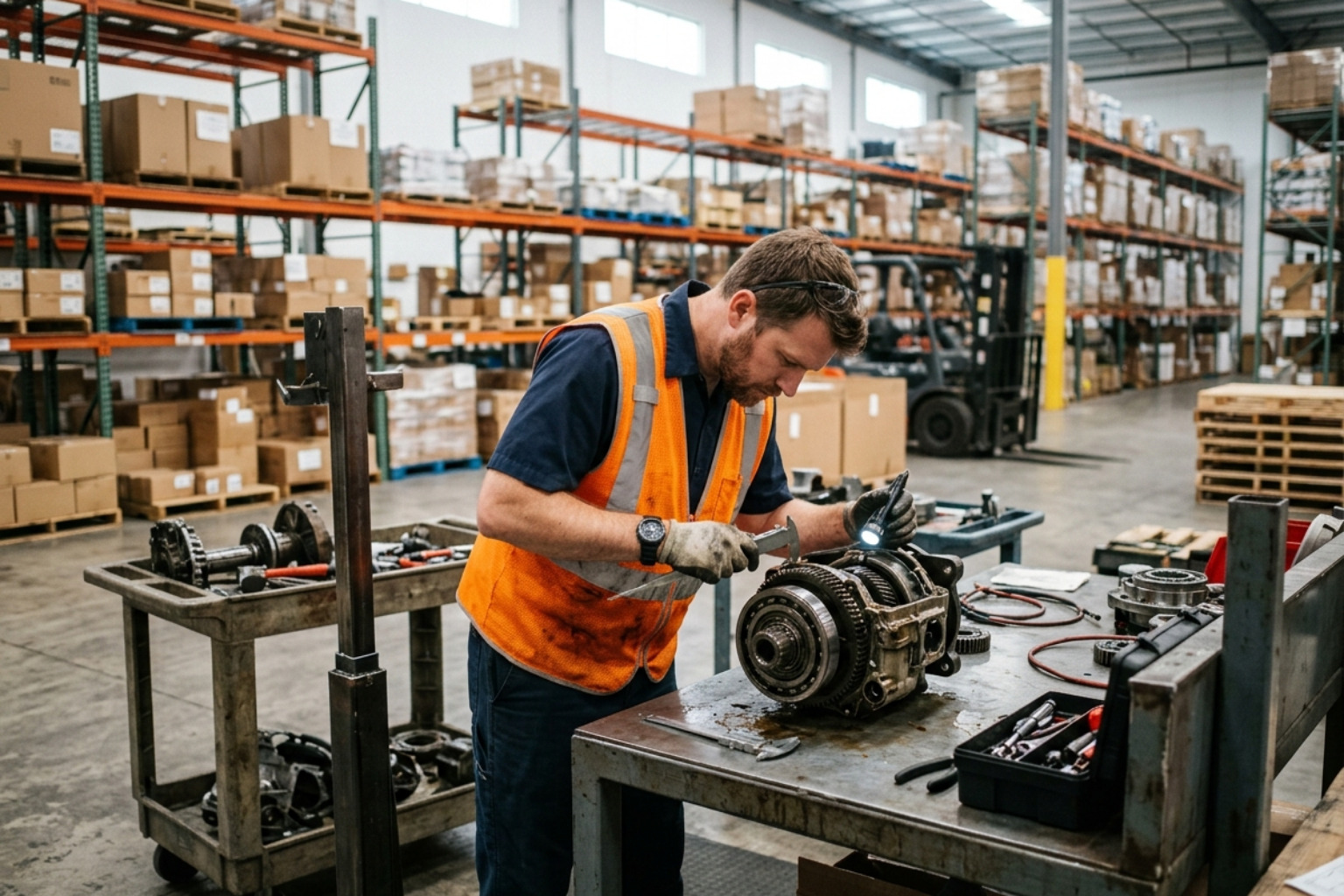
- Identify and Grade: Once the item arrives at our Indianapolis facility, we open it. Our team performs a detailed inspection to determine its condition. Is it brand new? Is the box just opened? Is it defective? This is known as item grading.
- Determine Disposition: Based on the grade, we decide where the item goes next. This is the “channel determination.” If it is perfect, it goes back to the shelf. If it is slightly dinged, it might go to a secondary market or outlet. If it is broken, we look for salvageable parts.
- Execute Repair or Refurbishment: For items that are not quite ready for resale but still have high value, we move them to a repair station. This is common in the electronics and automotive sectors. Fixing a small defect can recover a significant portion of the original retail price.
- Restock or Recycle: The final step is moving the item to its final home. This could be restocking it for original fulfillment, sending it to a liquidator, or responsibly recycling the materials.
The main types of reverse logistics in modern commerce
Not all returns are created equal. Depending on your industry, you might deal with several different types of reverse flows. According to NetSuite’s guide on reverse logistics, these are the most common categories:
- Returns Management: The bread and butter of e-commerce. This involves handling customer returns due to wrong sizes, changed minds, or shipping errors.
- Remanufacturing and Refurbishment: This is a deep dive into the product. We take it apart, replace worn components, and put it back together so it functions like new.
- Packaging Management: Think of the pallets, crates, and reusable totes that move your goods. Bringing these back for reuse saves a massive amount of money on raw material costs.
- Unsold Goods: Retailers often send unsold seasonal inventory back to distributors. This requires careful tracking to ensure credits are issued correctly.
- End of Life (EOL): When a product is no longer supported or functional, it needs to be disposed of. In industries like life sciences or electronics, this must be done according to strict regulations.
- Delivery Failures: Sometimes a package just doesn’t make it. Managing these “return to origin” shipments efficiently prevents them from becoming “lost” inventory.
Strategies to optimize your reverse logistics operations
If you want to move from “surviving” returns to “mastering” them, you need a proactive strategy. You can find more strategies for reverse logistics via OPEX, but here are the ones we see moving the needle the most for our clients:
- Gatekeeping: This is the practice of screening returns at the point of entry. By requiring photos or specific reasons for a return, you can prevent fraudulent or unnecessary shipments from ever entering your reverse flow.
- Centralized Return Centers: Trying to process returns at every retail store or forward fulfillment center is a recipe for chaos. Centralizing these operations in a dedicated hub allows for specialized staff and equipment that can grade items faster and more accurately.
- Data Driven Decisions: Use the data from your returns to fix the problems at the source. If 30% of your returns are because a specific part is breaking, that is a manufacturing issue, not a logistics one.
- Secondary Market Integration: Don’t just throw away items that aren’t “perfect.” About 84.6% of U.S. companies use the secondary market, and 70% see it as a competitive advantage. Having a clear path to liquidators or discount channels keeps your warehouse clear of “zombie” inventory.
Why efficient recovery drives sustainability and profit
Today, buyers and regulators both expect clear answers about what happens to products after use. Sustainability is not a branding exercise anymore; it is an operational and financial requirement. Strong reverse logistics is what makes circular supply chains work in practice.
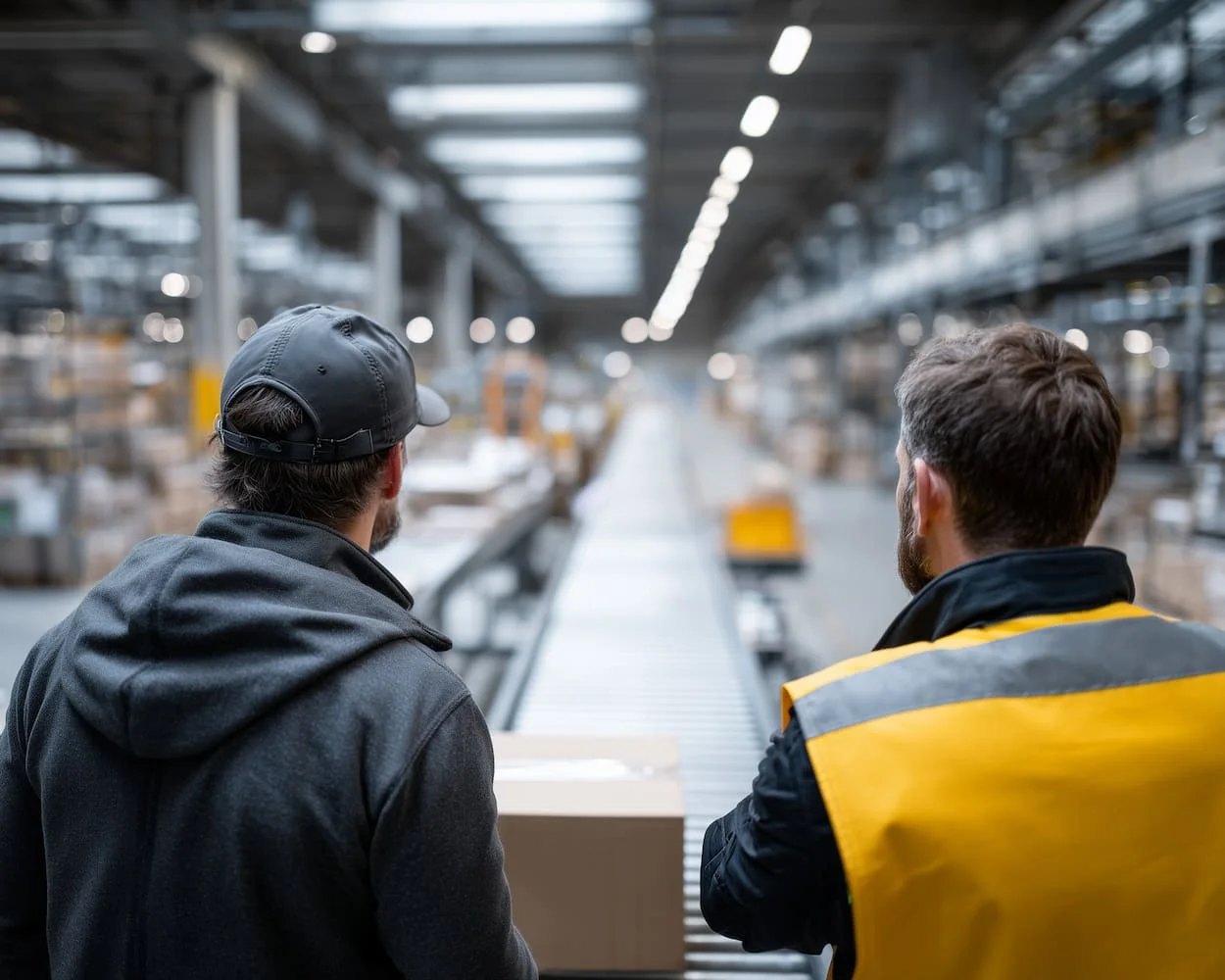 high-volume
By implementing sustainable practices in reverse logistics, you reduce the amount of waste that ends up in landfills. In the U.S., returns generate nearly six billion pounds of landfill waste every year. When we repair an item or harvest its components, we are keeping those materials in the value chain. This doesn’t just help the planet; it builds brand loyalty. Customers are 97% more likely to shop with a brand again if they have a smooth, responsible return experience.
Protecting margins through dedicated reverse logistics services
For scaling brands, returns can be a silent killer. As you grow, the sheer volume of returns can overwhelm your internal team. This is why scaling brands need dedicated returns management.
When returns sit on a dock for weeks, their value drops. Seasonal items become obsolete, and electronics become outdated. Dedicated services focus on inventory velocity. The goal is to get that item back into a “sellable” state as fast as possible. This protects your margins by ensuring you aren’t just eating the cost of the return but actually reclaiming a portion of the investment.
Implementing resale and recycling strategies
A sophisticated 3PL guide to resale and recycling goes beyond just putting things back on the shelf. It involves:
- Component Harvesting: If a machine is broken beyond repair, we can still save the high value sensors or motors inside it.
- Material Transformation: In the apparel industry, this might mean recovering fibers from old jeans to create new products.
- Sustainable Disposal: For items that absolutely cannot be reused, we ensure they are broken down into raw materials like plastic, metal, and glass to be sold back to manufacturers.
Common questions about managing returns and recovery
What is the biggest challenge in managing returns?
The biggest hurdle is the lack of standardized data. Unlike forward shipping, where everything is barcoded and predictable, returns arrive in various conditions and packaging. This makes automation difficult. Managing the labor required for manual inspection while keeping costs low is the constant balancing act of the reverse flow.
How does reverse logistics impact e-commerce?
E-commerce is the primary driver of the return explosion. Because customers cannot touch or try on products before buying, they use the return policy as a safety net. This has led to “bracketing,” where a customer buys three sizes of the same shirt and returns two. This behavior doubles or triples the logistics load for the retailer, making an efficient reverse process essential for survival.
What metrics measure success in the reverse flow?
If you aren’t measuring it, you can’t improve it. We focus on:
- Disposition Cycle Time: How long does it take from the moment an item hits the dock to when it is ready for its next step?
- Recovery Rate: What percentage of the original retail value are we capturing through resale or refurbishment?
- Return Rate by Category: Which products are coming back most often and why?
- Cost per Return: The total cost of shipping, labor, and warehouse space for each returned unit.
Partnering for precision in the Indianapolis logistics hub
At Hanzo Logistics, we understand that for industries like Automotive, Life Sciences, and Industrial Products, precision is the only option. We operate out of our 2 million square foot infrastructure in the Indianapolis hub, providing the specialized environment needed to handle complex reverse flows.
We don’t just move boxes; we provide the strategic expertise that allows your brand to grow without your operations breaking under the pressure of a seasonal peak or a regulatory audit. Whether you are dealing with high-stakes medical equipment or high-volume consumer goods, our team is here to ensure your reverse logistics is a source of value, not a drain on your resources.
If you are ready to turn your returns into a strategic advantage, explore our full range of 3PL services. We provide the visibility and proactive problem-solving that keeps your supply chain moving forward, even when the goods are moving backward.