

Speed and Accuracy Start in the Warehouse
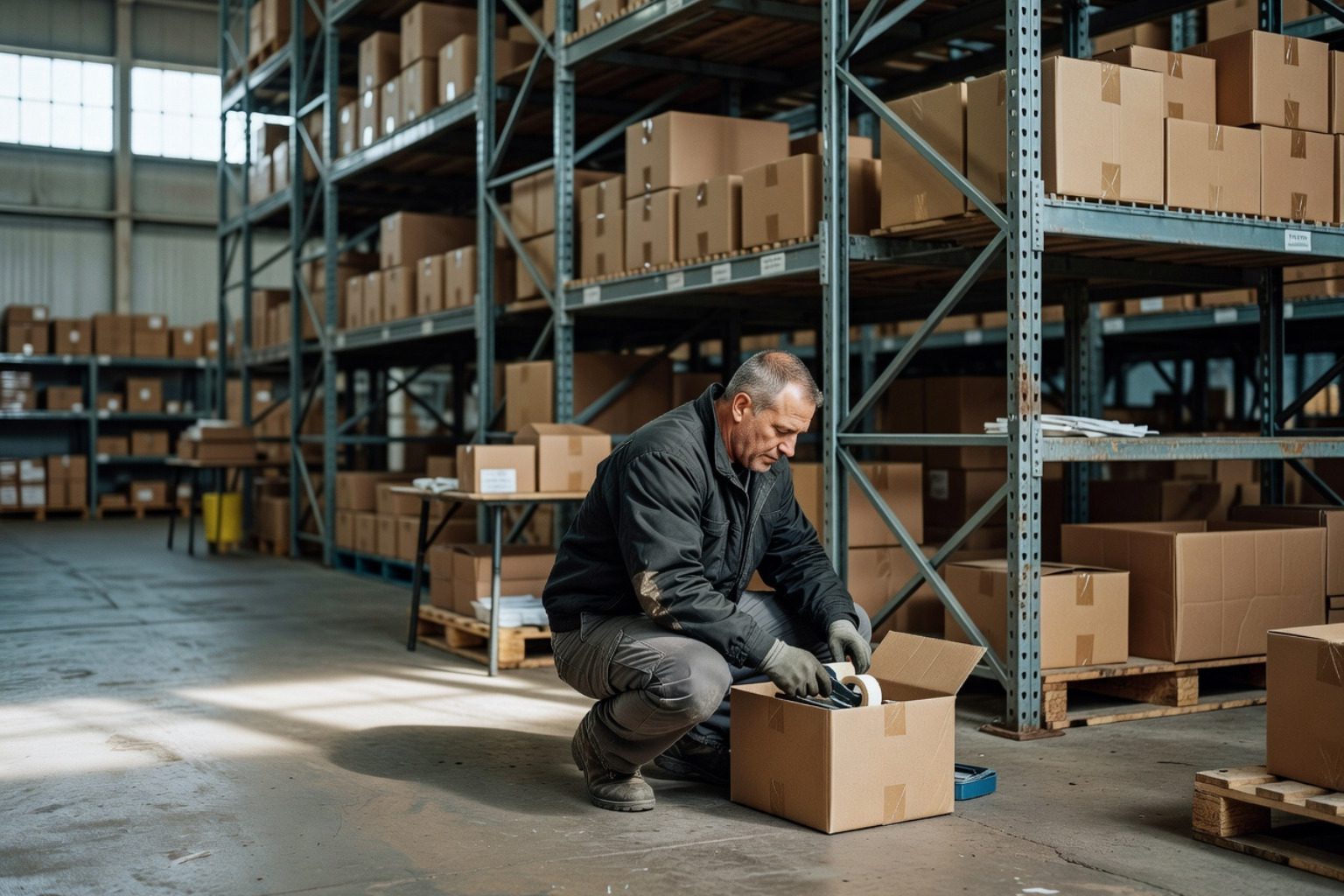
An e commerce warehouse is a storage and order processing facility built specifically to handle the fast, high-volume demands of online retail. Unlike a traditional warehouse that simply stores goods, an e commerce warehouse is where orders get picked, packed, and shipped to customers as fast as possible.
Here is a quick breakdown of what makes an e commerce warehouse different from other storage facilities:
| Feature | Traditional Warehouse | E Commerce Warehouse |
|---|---|---|
| Primary function | Long-term storage | Storage + active order fulfillment |
| Order size | Large bulk shipments | Individual customer orders |
| Fulfillment speed | Days to weeks | Same day or next day |
| Technology needs | Basic inventory tracking | WMS, scanning, automation |
| Returns handling | Minimal | High volume, built-in process |
Getting this right matters more than most founders realize. A slow or inaccurate warehouse means late deliveries, wrong items, and frustrated customers. One in three e-commerce orders are returned, and every fulfillment error is a direct hit to your brand reputation.
The warehouse is not just a back-end cost. It is the engine that drives customer satisfaction.
My name is Cole Russell, and I grew up around the logistics industry before spending the last five years helping e-commerce brands protect their reputations through smarter e commerce warehouse operations. In the sections ahead, I will walk you through everything you need to know to optimize your warehouse for speed, accuracy, and growth.
Choosing the right e commerce warehouse for your growth
Deciding where and how to store your products is one of the biggest moves you will make. It is not just about finding four walls and a roof. It is about finding a setup that can grow as fast as your Shopify or Amazon store does. Most businesses start in a garage or a small back room, but eventually, you hit a wall. That is when you have to choose between owning your own space, leasing a public warehouse, or partnering with a third-party logistics (3PL) provider.
A private warehouse gives you total control, but it also gives you total responsibility for the mortgage, the staff, and the technology. For many, this becomes a distraction from marketing and product development. Public warehouses offer more flexibility with short-term rentals, but they often lack the specialized tech needed for high-speed e-commerce.
This is why many brands look to 3PL providers to handle the heavy lifting. A 3PL like Hanzo Logistics provides the infrastructure and the team so you do not have to build it from scratch. We operate over 2 million square feet of specialized space in Indianapolis, which allows our partners to scale up during the holidays and scale back in the slow months without paying for empty shelves.
When you evaluate an e commerce warehouse, look at these three factors:
- Capacity and Ceiling Height: Does the facility have the vertical space to store thousands of SKUs without getting cluttered?
- Product Specialization: If you sell electronics or industrial products, does the warehouse have the right security and climate controls?
- Scalability: Can the facility handle a 500 percent jump in orders during Black Friday?
Understanding the operations of a logistics center is the first step in realizing that your warehouse is a strategic asset, not just a storage bill.
Smart technology turns storage into a fulfillment engine
The days of paper clipboards and manual spreadsheets are over. In a modern e commerce warehouse, technology is the nervous system that keeps everything moving. Without it, you are guessing at your inventory levels, and guessing leads to stockouts or overstocking.
The most important piece of tech in our world is the Warehouse Management System (WMS). A 3PL warehouse management system integrates directly with your online store. When a customer clicks buy, the order pops up in our system instantly. Our team knows exactly which aisle, shelf, and bin to go to.
We aim for extreme precision because we know that even a small error can cost a customer for life. Our target metrics are high because they have to be:
- 99.99% inventory accuracy (only 1 discrepancy per 100,000 items).
- 99.99% fulfillment accuracy (only 2 mispicks per 100,000 items).
- 99.98% shipping accuracy (only 12 delays per 100,000 shipments).
Beyond the software, we use hardware like robotic picking arms, automated conveyors, and advanced scanning systems to move products faster. These technologies do not just save time; they reduce the physical strain on our team and ensure that the right box gets the right label every single time. Real-time tracking means you can see exactly where your inventory is from your laptop, whether you are at your desk or on a plane.
Strategic locations reduce shipping times and costs
Location is the one thing you cannot optimize with software. If your e commerce warehouse is in the wrong spot, your shipping costs will eat your margins, and your delivery times will drive customers to your competitors.
Many brands look for proximity to major ports like Delta Port or the Port of Vancouver to get their goods into the country quickly. Once the containers are unloaded, the next goal is to get that inventory to a central hub.
This is why we chose Indianapolis as our home base. It is known as the Crossroads of America for a reason. From our Indianapolis locations, we can reach the majority of the US population within a day or two by ground shipping. This allows for zone skipping, which is a fancy way of saying we move your products closer to the customer in bulk before they enter the final parcel network. It saves a massive amount of money on every single package.
Being in a logistics hub also means we have better access to major carriers and shipping hubs. We can offer same-day processing for orders received by 2 PM EST, ensuring they ship out the same business day. When your warehouse is centrally located, you are not just saving money; you are giving your customers the fast shipping they have come to expect from the biggest names in retail.
Efficient operations handle high volume and seasonal peaks
E-commerce is not a flat line. It is a series of peaks and valleys. If your warehouse operations are built only for your average day, they will break the moment you run a big promotion or hit the holiday rush. Efficiency in an e commerce warehouse comes down to how well you manage the flow of goods.
One way we keep things moving is through kitting and assembly. Instead of picking five separate items for a popular bundle every time an order comes in, we pre-assemble those kits during slower periods. This turns a complex five-item pick into a single-item pick, which is much faster when orders are flooding in.
Inventory control is another pillar of efficiency. You have to know what is moving and what is gathering dust. We help our partners avoid common inventory management mistakes by using data to forecast demand. If we know a specific SKU is going to be a top seller, we move it to a “hot zone” near the packing stations to minimize the travel time for our pickers.
Optimizing your e commerce warehouse layout for speed
The physical layout of the warehouse is a giant puzzle. If the pieces are in the wrong place, the whole system slows down. We use vertical space to maximize storage capacity without expanding the footprint of the building. High-density racking and mezzanine levels allow us to store more products in less space, which keeps our costs down and your prices competitive.
Zoning is also critical. We group products by their velocity. Fast-moving items live in easy-access zones, while slow-moving or seasonal items are stored in higher or more distant areas. We also design the traffic flow to be one-way whenever possible. This prevents congestion in the aisles and keeps our team moving safely and quickly. By optimizing the path from receiving to shipping, we can cut minutes off every order, which adds up to thousands of hours saved every year.
Managing returns in an e commerce warehouse environment
In e-commerce, the sale is not truly over until the customer is happy with the product in their hands. With 1 in 3 online orders being sent back, your e commerce warehouse must be an expert in reverse logistics. If your returns process is messy, your inventory counts will be wrong, and your customers will wait weeks for their refunds.
We treat returns with the same urgency as outbound orders. When a package comes back, it goes through a strict quality assurance process. We inspect the item, determine if it can be resold, and then either restock it, refurbish it, or dispose of it according to the brand’s rules.
A fast returns process does two things:
- It gets the inventory back on the digital shelf so someone else can buy it.
- It triggers the customer’s refund or exchange immediately, which builds massive brand loyalty.
People are much more likely to buy from you again if they know that returning a product is painless.
Common questions about e-commerce logistics
What is the difference between a warehouse and a fulfillment center?
While people often use the terms interchangeably, there is a functional difference. A warehouse is primarily for long-term storage. It is where you keep bulk pallets of product that might sit for months. A fulfillment center is a high-activity e commerce warehouse designed for “in and out” movement. The goal of a fulfillment center is to keep inventory moving, with a focus on individual order picking and rapid shipping rather than long-term storage.
How does a WMS improve order accuracy?
A Warehouse Management System uses barcode scanning at every step of the process. When a picker grabs an item, they scan it. If it is the wrong SKU, the system beeps and prevents them from moving forward. This “scan-to-verify” process is why we can maintain a 99.9 percent fulfillment accuracy rate. It removes human error and provides real-time data so you always know exactly what is on your shelves.
Why is location important for shipping costs?
Shipping costs are determined by “zones.” The further a package has to travel, the more zones it crosses and the more it costs. If all your inventory is on the West Coast but your customers are in New York, you are paying the highest possible shipping rates. By using a central e commerce warehouse in a place like Indianapolis, you reduce the average number of zones a package travels, which slashes your shipping bill and gets the product to the customer days earlier.
Partner with experts to scale your business
Scaling an e-commerce brand is hard enough without having to worry about the logistics of moving boxes. At Hanzo Logistics, we act as a strategic 3PL partner for businesses that cannot afford to get it wrong. Whether you are in the automotive sector, life sciences, or retail, we provide the precision and visibility you need to grow.
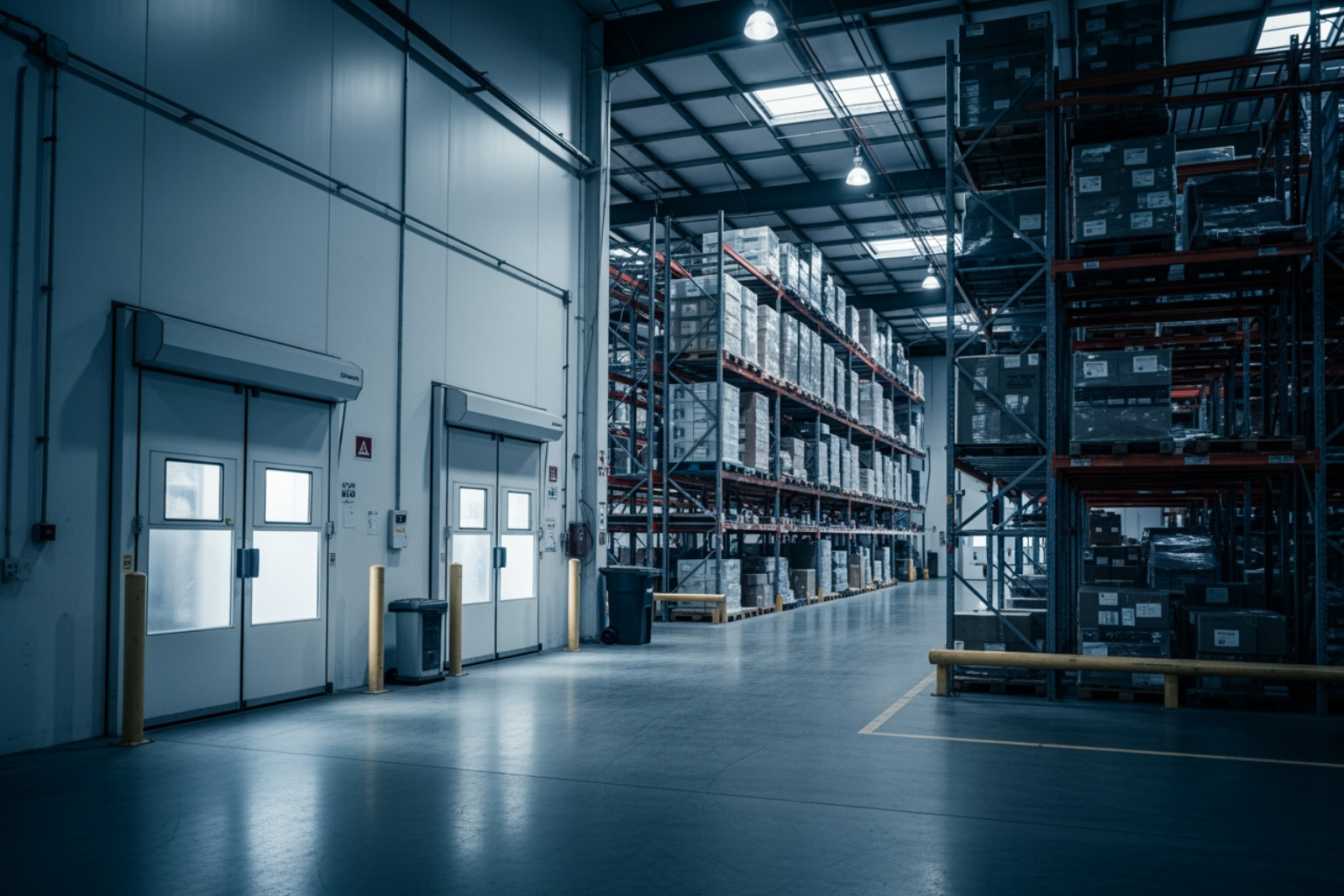
We offer more than just space. We offer a fulfillment and distribution engine that is custom-tailored to your specific needs. From cold storage for sensitive products to contract packaging for special promotions, we have the infrastructure to protect your brand reputation.
Logistics should not be the thing that breaks your business as you grow. It should be the thing that allows you to grow with confidence. If you are ready to stop worrying about your warehouse and start focusing on your customers, we are here to help you make that transition. Our team in Indianapolis is ready to provide the 24/7 availability and strategic expertise your brand deserves.