
Outsourcing Packaging Operations Accelerates Growth and Protects Your Brand
Contract packaging is when a business hires a third-party company to handle the packaging of its products. The co-packer uses their own equipment, facility, and labor to package your goods, then sends them down the supply chain.
Here is a quick breakdown of what contract packaging typically covers:
- What it is: Outsourcing your product packaging to a specialized third-party provider
- Who uses it: Food and beverage brands, pharma companies, consumer goods manufacturers, e-commerce sellers, and more
- What they do: Filling, labeling, kitting, assembly, shrink wrapping, blister packing, and palletizing
- Why brands use it: To scale faster, cut overhead, and stay focused on their core business
- Key compliance standards: FDA registration, GMP, and SQF certification are common requirements
The contract packaging market in the United States has reached significant scale, with food and beverage making up a large portion of that volume. That is not a niche service. It is a core part of how modern supply chains operate.
If you are packaging products in-house right now and hitting a ceiling, or if you are launching something new and do not want to buy equipment before you know the demand is there, a co-packer may be exactly what you need.
I’m Cole Russell, and I grew up around the logistics industry before spending years helping brands navigate decisions exactly like this one, including finding the right contract packaging setup for their specific operation. In this guide, I will walk you through everything you need to know to make a smart decision.
Contract packaging vocabulary
Contract packaging services streamline the entire supply chain
When we talk about contract packaging, we are talking about more than just putting a product into a box. It is a comprehensive suite of services that takes a raw or bulk product and makes it retail-ready. For many of our partners in the Indianapolis area, this is the bridge between manufacturing and the final customer.
The most common services include kitting and assembly, where multiple individual items are combined into a single unit. This is vital for subscription boxes, promotional bundles, or complex industrial kits. Instead of your team spending hours counting components, a co-packer handles the high-volume repetition with specialized machinery.
Other core services include:
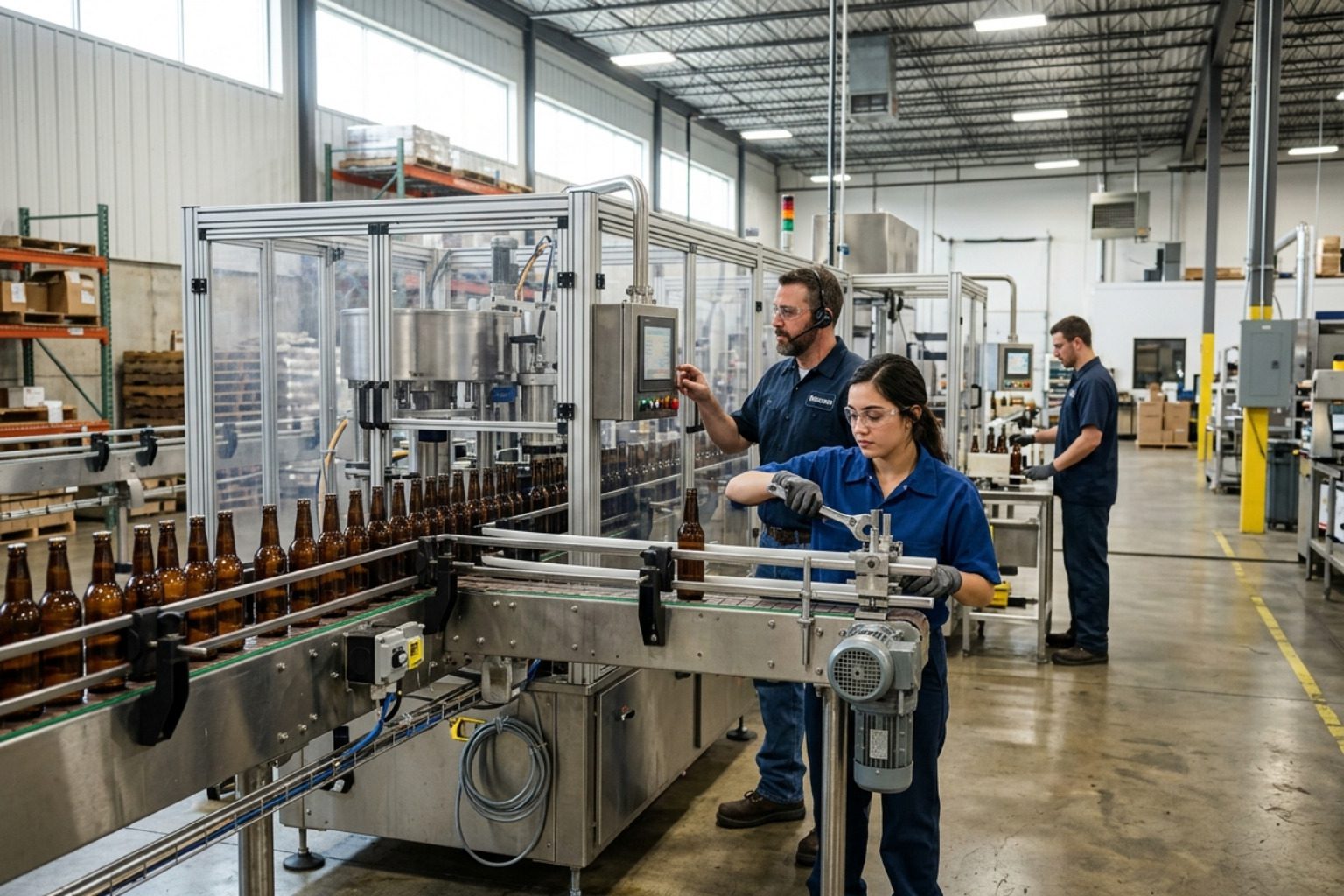
- Filling and Bottling: Automated lines can fill thousands of containers per hour with liquids, powders, or solids.
- Labeling: Applying high-precision labels that meet regulatory standards for transparency and branding.
- Shrink Wrapping and Bundling: Using heat to secure products together for protection and multi-pack sales.
- Blister and Skin Packing: Creating clear plastic cavities that secure a product to a card, often used in pharmaceuticals and small consumer electronics.
By using these turnkey solutions, you eliminate the need to manage multiple vendors. You do not have to buy the shrink wrap machine, hire the labor to run it, or maintain the facility where it sits. We handle the “marrying” of your product with the packaging materials so you can stay focused on your next big move.
Primary and secondary formats improve brand presentation and transport efficiency
Understanding the difference between primary, secondary, and tertiary packaging is the first step in optimizing your logistics. Each layer has a specific job to do, and a good contract packaging partner will help you master all three.
Primary packaging is the layer in direct contact with the product. Think of the tube holding toothpaste or the bottle containing a beverage. It must protect the product’s integrity and is usually the first thing a customer sees. If this layer is messy or damaged, it reflects poorly on your brand.
Secondary packaging is what holds the primary packages together. This could be the box that holds the toothpaste tube or the plastic rings on a six-pack of soda. This layer is about efficiency in transport and protection during the journey. It also provides extra space for branding and required regulatory information.
Tertiary packaging is for the warehouse and transit. This includes the large shipping boxes, pallets, and stretch wrap that keep everything secure during long-haul trucking.
| Packaging Type | Primary | Secondary | Tertiary |
|---|---|---|---|
| Primary Goal | Product protection and branding | Transport efficiency and grouping | Bulk handling and protection |
| Direct Contact | Yes | No | No |
| Examples | Bottles, pouches, tubes | Cartons, shrink-wrapped bundles | Pallets, master cases |
Mastering these layers can boost your business in ways you might not expect. Better secondary packaging can reduce dimensional weight charges, while high-quality primary packaging ensures your product arrives looking exactly as it should.
High precision industries require specialized packaging standards
In certain sectors, “good enough” is never actually enough. At Hanzo Logistics, we work with industries where precision is non-negotiable. If you are in the automotive, life sciences, or industrial products sectors, your contract packaging needs are much more complex than a standard consumer good.
In the automotive world, parts must be packaged to withstand vibration and moisture while remaining easy for assembly line workers to access. For industrial products, the packaging often needs to be heavy-duty to protect against chemical exposure or physical impact.
The life sciences and pharmaceutical sectors have the highest stakes. These products often require temperature-controlled environments and strict adherence to cleanliness standards. Packaging must be tamper-evident and include precise lot coding for traceability. This is where expert kitting for personalized products becomes a critical advantage. Whether it is a medical device kit or a specialized pharmaceutical trial, the margin for error is zero.
Compliance and technical capability determine the right partner
Selecting a contract packaging partner is a major decision that impacts your legal standing and your reputation. You need to look beyond the equipment and check their certifications.
A reputable co-packer should meet several key standards:
- FDA Registration: Mandatory for any facility handling food, beverages, dietary supplements, or medical devices.
- GMP (Good Manufacturing Practices): These guidelines ensure that products are consistently produced and controlled according to quality standards.
- SQF (Safe Quality Food): A rigorous food safety and quality program recognized by retailers and service providers worldwide.
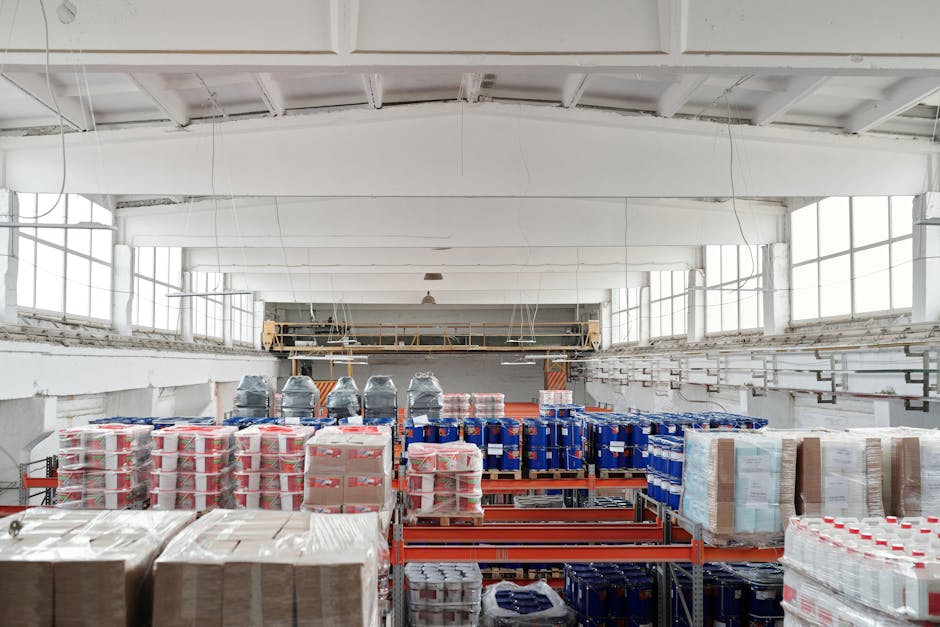
Beyond certifications, look at their technical capability. Do they have the capacity to handle your seasonal peaks? Can they provide real-time data on your inventory levels? A partner who is ready for a regulatory audit at any moment is a partner who will protect your brand. This level of contract packaging expertise acts as a risk mitigation strategy, ensuring that you never have to worry about a shipment being rejected due to a labeling error or a compliance oversight.
Automation and sustainable materials drive future packaging trends
The world of packaging is moving fast, and two major forces are leading the way: automation and sustainability.
As labor markets tighten, automated bottling and packing lines are becoming the standard. These systems can fill bottles at high speeds, providing a level of speed and consistency that manual labor simply cannot match. This automation allows for faster time-to-market and more predictable production, even when demand spikes.
At the same time, consumers are demanding more eco-friendly options. We are seeing a massive shift toward materials like PET (which is highly recyclable) and sustainable paperboard. Brands are looking for ways to reduce waste and lower their carbon footprint without sacrificing product protection.

Using sustainable materials is no longer just a “nice to have” feature. It is a business requirement for many retailers and a key selling point for modern consumers. A forward-thinking contract packaging partner will help you source these materials and integrate them into your supply chain efficiently.
Common questions about co-packing and scalability
What is the difference between co-packing and private labeling
This is a common point of confusion. In a contract packaging (co-packing) relationship, you own the product, the recipe, or the formula. You simply hire a third party to put it into the package for you. You have total control over the brand and the contents.
Private labeling is different. In that scenario, a manufacturer already has a product (like a specific type of cereal or a cleaning solution) and they allow you to put your brand name on it. They own the formula; you just own the label. Co-packing gives you much more control over the unique identity of your product.
How contract packaging supports business scalability
Scalability is the biggest benefit of outsourcing. If you try to do everything in-house, your growth is limited by your floor space, your equipment, and your ability to hire and train workers. When you use a co-packer, you are essentially “renting” their massive infrastructure.
When you have a seasonal rush, the co-packer can flex their labor and run extra shifts. When you want to test a new product in a small regional market, you can do a pilot run without buying expensive machinery. This allows you to grow as fast as your sales allow without your operations breaking under the pressure.
Certifications a contract packager should maintain
As mentioned earlier, FDA, GMP, and SQF are the big three. However, depending on your industry, you might also look for:
- CFR-111: Specifically for those in the pharmaceutical and supplement space handling RX or OTC products.
- Organic Certification: If you are selling organic food, the facility must be certified to handle those products without cross-contamination.
- GHS Compliance: Crucial for industrial and chemical products to ensure hazardous materials are labeled correctly.
Hanzo Logistics provides the precision your operations require
At Hanzo Logistics, we understand that your packaging is the last thing that happens before your product reaches the customer. It has to be perfect. Based in the Indianapolis logistics hub, we provide the specialized infrastructure and strategic expertise that high-stakes industries require.
We manage significant facility space designed to handle the complexities of automotive parts, life sciences, and industrial goods. Our approach is built on proactive problem-solving and real-time data. We don’t just move boxes; we protect your brand’s reputation through every audit and every seasonal peak.
If you are ready to move away from the headaches of in-house packaging and want a partner who treats your products with the precision they deserve, we are ready to help. Start your contract packaging project with us today and let’s get your supply chain moving with total clarity.