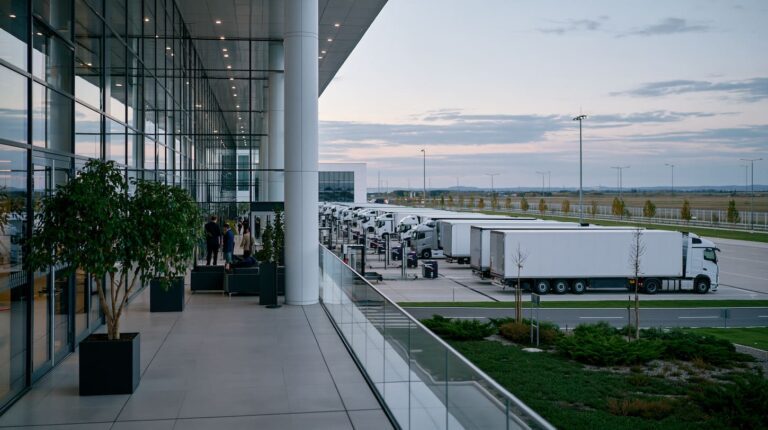

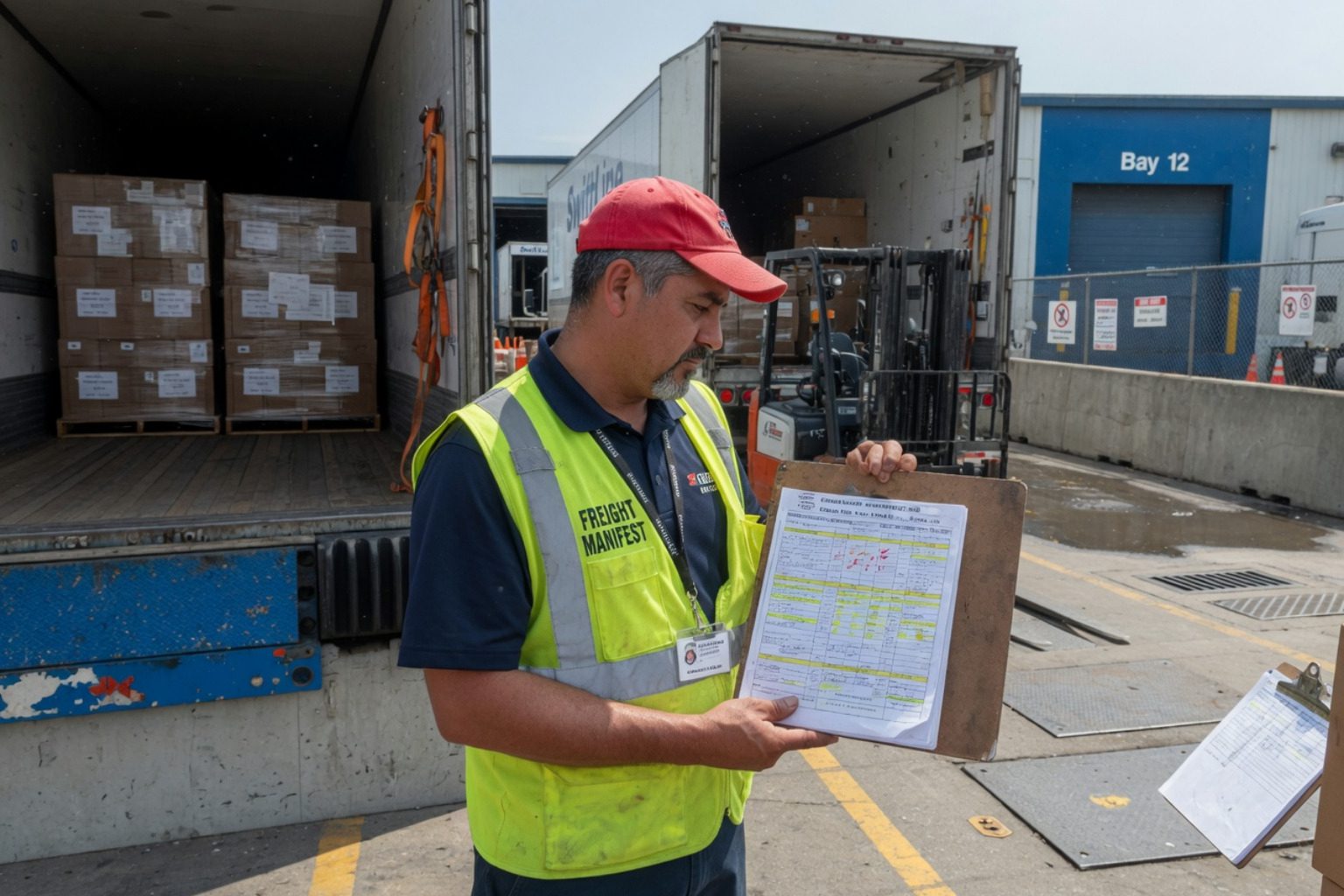
Modern 3PL Transportation Moves Beyond Simple Freight Brokerage
3PL transportation is the practice of outsourcing freight and logistics operations to a specialized third-party provider who manages carrier relationships, shipment execution, and supply chain coordination on your behalf.
These providers range from asset-based carriers to non-asset brokers and full-service managed logistics firms. The right fit depends entirely on your freight volume, industry, and how much operational control you want to keep. Choosing a partner is a strategic decision that impacts your bottom line and customer satisfaction.
What most people don’t realize is how much the industry has shifted. A 3PL today isn’t just a freight broker with a bigger Rolodex. The best providers combine carrier networks, technology platforms, and operational expertise to manage your entire transportation function, from truckload and LTL to cross-border and last-mile. And the numbers back it up: 86% of Fortune 500 companies already rely on 3PL providers, and 82% of shippers use third parties to secure at least some of their freight capacity, according to industry data from the Council of Supply Chain Management Professionals.
This guide breaks down what top-tier providers actually do well and how to pick the right one for your specific operation.
I’m Cole Russell, and I grew up around the logistics industry before spending the last five years helping businesses protect their reputations through smarter 3PL transportation partnerships. In the sections below, I’ll walk you through exactly what to look for so you can make a confident, informed decision.
Traditional logistics used to be about finding a truck to move a pallet. Today, 3PL transportation is about end-to-end execution. We see it as a shift from a reactive “find a truck” mentality to a proactive “optimize the network” strategy. A modern partner integrates directly with your supply chain, taking over the heavy lifting of warehousing, inventory management, and fulfillment.
This integration is vital because transportation does not exist in a vacuum. It is tied to your production schedules and your customers’ expectations. When you partner with a 3PL Indianapolis, you are not just buying space on a trailer; you are gaining a team that ensures your goods flow through distribution centers and reach their destination without the typical operational headaches.
Core Services Provided By 3PL Transportation Partners
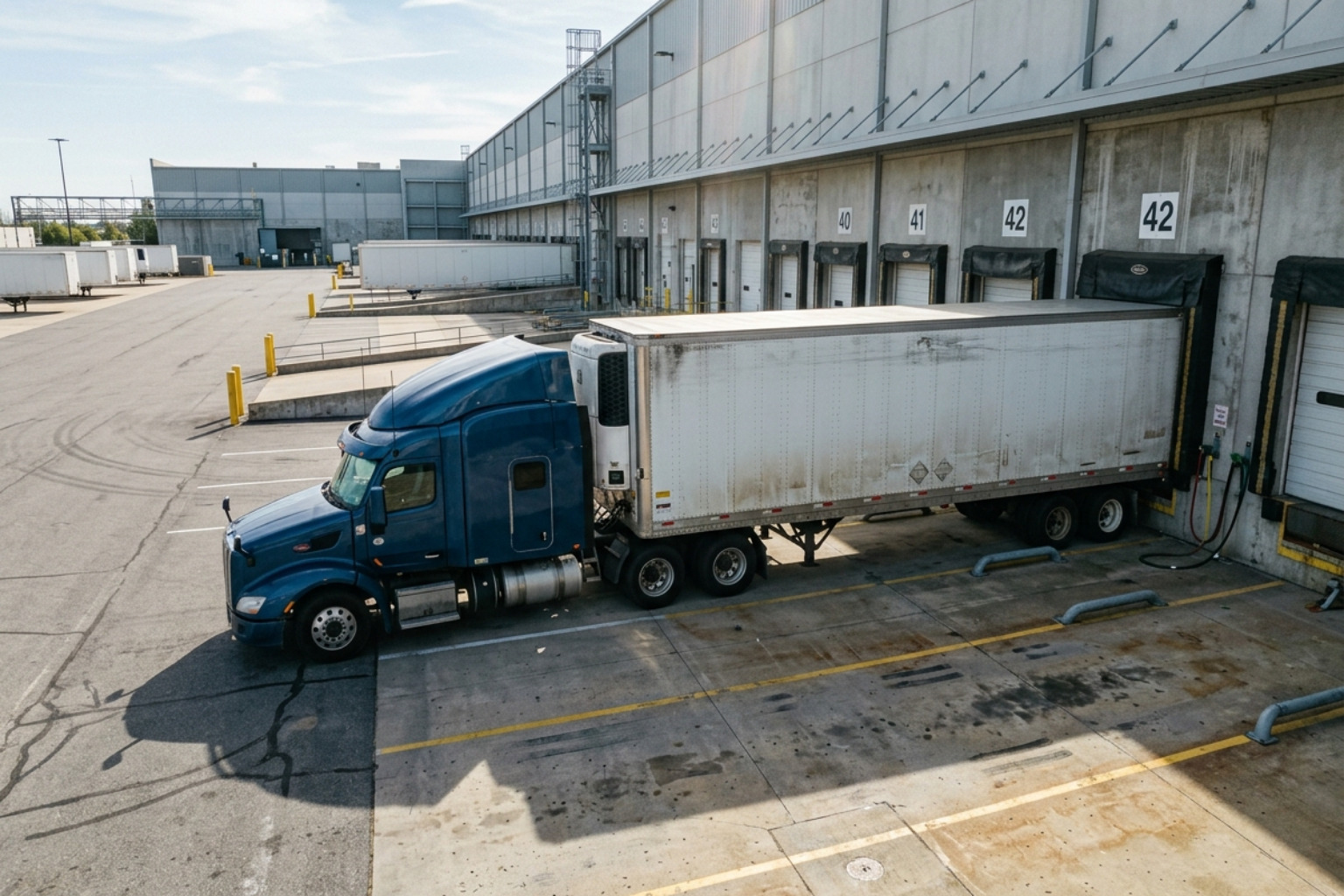
A true partner offers more than just a list of services; they provide a comprehensive management layer. The core of this is carrier procurement. Since 97% of the trucking industry is made up of small to mid-sized companies, according to the American Trucking Associations, it is nearly impossible for a single brand to manage those relationships effectively. We aggregate that volume, using our scale to access a denser network of carriers than most businesses can reach on their own.
Beyond finding trucks, we handle the administrative burden that slows you down. This includes freight audits, where we check every carrier invoice for inaccuracies. It is common to find billing errors that, if left unchecked, drain your bottom line. We also provide real-time shipment tracking, replacing the old “where is my truck?” phone calls with digital visibility. By managing these transportation details, we allow your team to focus on growing the business instead of chasing down paper trails.
Managing Freight Through 3PL Transportation Modes
Choosing the right mode of transport is the first step in controlling your costs. We help you navigate the nuances of each:
- Truckload (TL): Ideal for high-volume shipments that fill an entire trailer. It is the fastest way to move large amounts of inventory over long distances.
- Less-Than-Truckload (LTL): For shipments that do not require a full trailer. Understanding what LTL means in logistics is crucial for smaller brands. You only pay for the space you use, which is a major cost-saver for mid-sized shippers.
- Intermodal: This combines truck and rail. It is often more cost-effective and environmentally friendly for long-haul routes where speed is less critical than price.
- Air and Ocean: For international needs, these modes handle the global flow of goods. Ocean is the workhorse for bulk imports, while air is reserved for high-value or time-sensitive freight.
Specialized Logistics Management Solutions
The modern supply chain requires more than just moving goods from point A to point B. We manage specialized functions like last-mile delivery, which is often the most expensive and complex part of the journey. Getting the product to the customer’s doorstep requires precision.
We also handle cross-border shipping, navigating the regulatory hurdles of moving freight between the U.S., Canada, and Mexico. Perhaps most importantly, we manage reverse logistics. A smooth returns process is essential for brand reputation. By understanding what a carrier is in logistics, you can better appreciate how we select the right partners to handle these delicate touchpoints.
Strategic Advantages Of Outsourcing Logistics Operations
The most immediate benefit of 3PL transportation is the scale it provides. Large providers can negotiate carrier rates 15% to 30% below retail rates because they move thousands of loads daily. For brands shipping over 1,000 units per month, outsourcing typically reduces fulfillment costs by 20% to 30% compared to keeping everything in-house.
Scalability is another factor. Your business does not stay the same size all year. During seasonal peaks, your logistics needs might triple. A 3PL allows you to scale up your warehouse space and transportation capacity instantly without the risk of long-term leases or hiring permanent staff. This is why transportation networks are critical during the holidays; they provide the elasticity needed to handle the rush.
Balancing Efficiency With Potential Partnership Risks
While the benefits are significant, we believe in being direct about the risks. Outsourcing means a perceived loss of control. You are trusting another company with your brand’s reputation. Communication gaps can happen if the 3PL does not prioritize transparency.
To mitigate this, we focus on robust service level agreements (SLAs) and proactive risk management. You need a partner who doesn’t just report problems but solves them before they disrupt your business. If a 3PL lacks the right technology or specialized expertise, they can become a bottleneck rather than an accelerator.
Choosing A Partner For High-Stakes Industry Requirements
Not all 3PLs are created equal. If you are in the Automotive, Life Sciences, or Industrial Products sectors, “good enough” logistics will eventually fail you. These industries require specialized infrastructure and a deep understanding of compliance.
For example, in Life Sciences, temperature control and security are non-negotiable. In the Automotive world, “just-in-time” delivery is the standard; a late shipment can shut down a production line. When evaluating a 3PL Indianapolis partner, look for those who already have the specialized facilities and the track record of handling high-stakes inventory.
Critical Factors For 3PL Transportation Selection
When you are vetting a partner, move past the marketing fluff and look at the mechanics:
- Regulatory Audit Preparedness: Can they stand up to a snap audit? Their processes should be documented and followed every single time.
- 24/7 Availability: Logistics does not sleep. If a truck breaks down at 2:00 AM, you need a partner who is awake and working on a solution.
- Proactive Problem-Solving: You shouldn’t have to call your 3PL to find out a shipment is late. They should be telling you it is late and explaining the three things they are doing to fix it.
- Data Visibility: You need a window into your operations. Real-time data allows you to master transportation management by making informed decisions based on what is actually happening on the road.
Technology Drives Precision In Modern Logistics
The days of clipboards and spreadsheets are over. Modern 3PL transportation is powered by Transportation Management Systems (TMS) and AI. These tools allow us to automate manual tasks like quoting and order processing. In fact, AI-powered logistics can boost productivity by 40% and improve on-time pickup rates by up to 35%, according to research from Gartner.
We use technology to provide real-time tracking and predictive analytics. This means we can anticipate disruptions—like weather or traffic—and reroute shipments before they become delays. This level of precision is how we help you address transportation challenges before they ever touch your customer.
Distinguishing Between 3PL and 4PL Models
It is easy to get confused by the acronyms. While a 3PL focuses on the execution of logistics tasks, a 4PL (Fourth-Party Logistics) acts as a strategic orchestrator.
| Feature | 3PL (Third-Party Logistics) | 4PL (Fourth-Party Logistics) |
|---|---|---|
| Primary Focus | Execution of logistics tasks | Strategic supply chain management |
| Assets | Often owns or leases warehouses/trucks | Usually non-asset-based |
| Role | Manages specific functions | Orchestrates multiple 3PLs |
| Relationship | Tactical and operational | Strategic and consultative |
| Ideal For | Businesses needing execution | Large firms needing total oversight |
A 3PL is usually your best bet when you need someone to handle the physical movement and storage of goods. A 4PL is more of a consultant that manages your entire supply chain, including other 3PLs.
Frequently Asked Questions About 3PL Logistics
When is the right time to outsource transportation?
Most businesses reach an inflection point when they are shipping between 500 and 1,000 orders per month. If your team is spending more time on shipping labels and carrier phone calls than on product development or sales, it is time to look for a partner.
What is the difference between 3PL and 4PL?
As shown in the table above, a 3PL handles the “doing”—the warehousing, picking, and shipping. A 4PL handles the “planning” and manages the entire network, often acting as a single point of contact for multiple logistics providers.
How do 3PLs handle seasonal demand spikes?
We maintain flexible warehouse space and deep carrier relationships. Because we work with many different clients, we can shift resources and labor to where the demand is highest. This allows you to handle a 300% increase in volume during peak months without having to pay for that extra capacity during the slow months.
Secure Your Supply Chain With A Strategic Indianapolis Partner
At Hanzo Logistics, we understand that your supply chain is the backbone of your brand. Based in the Indianapolis logistics hub, we provide the strategic expertise and 24/7 availability that high-stakes industries demand. We don’t just move inventory; we protect your reputation.
With 2 million square feet of specialized infrastructure, we are built to handle the precision required by Automotive, Life Sciences, and Industrial Product leaders. Our approach replaces a lack of visibility with real-time data and proactive problem-solving. We provide the transportation solutions that allow you to grow without your operations breaking under the pressure. If you are ready to move beyond basic brokerage and into a strategic partnership, we are here to help you scale.